
The German Buyer’s Problem: A Low Price Is Lovely Until the Shipment Becomes a Hobby
Factory direct pricing sounds wonderful.
No unnecessary layers.
Clearer communication.
Better cost control.
Direct access to production.
Possibly faster sample revision.
Everybody feels efficient.
Very good.
But German buyers know the uncomfortable truth: factory direct pricing in home decor only works when the supplier also has a strong export operations team.
Otherwise, the “good price” becomes a second job.
You save a few euros on the quotation, then spend them again on damaged cartons, unclear labels, late documents, missing packing photos, wrong carton marks, claims, replacements, and emails that begin with the most dangerous phrase in sourcing:
“Please kindly check again.”
A good factory direct supplier should not only produce nice mirrors, ottomans, ceramic décor, or storage and organization items. They must also know how to pack, label, ship, document, and repeat orders properly.
Because in wholesale home décor, the product does not end at production.
It ends when the buyer receives goods that can actually be sold.
What Does Packaging and Shipping Mean in Factory Direct Home Décor?
In factory direct home décor, packaging and shipping means the complete system that protects and moves products from factory to buyer.
It includes:
Product protection
Inner packaging
Outer carton strength
Carton marks
Barcode labels
Surface protection
Moisture control
Container loading
Export documents
Pre-shipment inspection
Packing photos
Delivery coordination
Claim handling
Reorder packing consistency
For German buyers, packaging and shipping is not only about whether the goods arrive.
The real question is:
Can the supplier deliver the same product, in the same condition, with the same packaging discipline, again and again?
That is where real supplier quality begins.
A factory can make one good sample.
A mature manufacturer can repeat quality, packing, and delivery.
There is a difference. A rather expensive one.
Factory Direct Pricing Home Decor: What Buyers Should Really Compare
Factory direct pricing home decor is attractive because buyers can often reduce unnecessary trading layers.
But direct pricing should not be judged only by unit cost.
A German buyer should compare the total delivery value.
| What Buyers Compare Too Often | What Buyers Should Also Compare |
|---|---|
| Unit price | Packaging standard included in the price |
| Sample look | Mass production packing consistency |
| Lead time promise | Export document discipline |
| Product photos | Real packing photos |
| Factory capacity | Export operations team capability |
| Lowest quotation | Damage risk and reorder stability |
A cheaper mirror is not cheaper if the brushed frame arrives scratched.
A cheaper ottoman is not cheaper if the fabric gets dirty during transport.
A cheaper storage box is not cheaper if half the lids arrive warped.
A cheaper ceramic item is not cheaper if the glaze finish rubs inside the carton.
Factory direct pricing is useful only when the factory understands the buyer’s commercial reality.
Otherwise, it is not direct sourcing.
It is direct exposure to problems.
Why the Export Operations Team Matters
An export operations team in home decor is the part of the supplier that makes sure the order moves correctly after the product is made.
This team should handle:
Packing confirmation
Carton details
Product labels
Barcode requirements
Packing list accuracy
Export documents
Shipment schedule
Container booking coordination
Inspection support
Buyer communication
Damage claim follow-up
Reorder packaging records
This is not glamorous work.
Nobody writes poetry about carton marks.
Nobody frames a packing list in the living room.
Nobody says, “I chose this supplier because their export documents made me emotional.”
But German buyers notice when this work is missing.
When the export team is weak, the buyer starts doing the supplier’s job. That is not a partnership. That is unpaid operations consulting, with bonus stress.
A serious export operations team home decor supplier reduces friction before the shipment leaves the factory.
Packaging Is Where Reorder Stability Begins
Reorder stability means the buyer can repeat the order with confidence.
Same product.
Same finish direction.
Same packing logic.
Same delivery discipline.
Same sellable condition.
For German buyers, this matters because the first order is only the test. The second order is where the business becomes interesting.
A reorder stability manufacturer does not treat packaging as a one-time decision. They keep records and repeat standards.
For example:
How was the mirror packed last time?
Which corner protection worked?
Which carton size was approved?
Which ottoman fabric needed extra cover?
Which ceramic glaze finish required softer separation?
Which storage item needed lid protection?
Which labels did the buyer require?
Which packing photos were sent?
What damage feedback came back?
This is the difference between “we made it once” and “we can make it a business”.
A supplier who cannot repeat packaging cannot support reorder stability.
And without reorder stability, the buyer is not building an assortment. They are gambling with cartons.
Mirrors: Direct Factory Price, Direct Damage Risk
Mirrors are a perfect test of supplier maturity.
They are attractive, useful, and commercially strong. They are also excellent at punishing lazy packaging.
A mirror needs protection for:
Glass
Frame corners
Frame finish
Backing board
Hanging hardware
Outer carton edges
Internal movement during transport
A factory may quote a very good price on a mirror. Wonderful.
But German buyers should ask:
What packing standard is included?
Is the carton export-grade?
Are the corners reinforced?
Is the frame finish protected?
Can the packing be repeated for reorder?
Can the supplier provide packing photos before shipment?
Has the mirror been checked after packing?
A mirror that arrives damaged is not just a product problem. It is a margin problem, a customer problem, and sometimes a very sharp problem.
Nobody wants surprise glass confetti.
Ottomans: Soft Products Still Need Operational Discipline
Ottomans look safe because they are soft.
This is how they mislead people.
An ottoman can still arrive with:
Dust marks
Fabric rubbing
Compression damage
Moisture problems
Bent legs
Loose seams
Shape deformation
Dirty upholstery
Poor carton fit
If the ottoman is part of a storage and organization assortment, the packaging must also protect the functional parts: lids, hinges, inner compartments, removable trays, or storage cavities.
A storage ottoman that arrives with a damaged lid is not charmingly imperfect. It is just a product return wearing fabric.
For German buyers, ottoman packaging should protect both the upholstery and the structure.
The export operations team should understand whether the ottoman is packed as furniture, soft décor, storage, or project stock. These are not the same.
Storage and Organization: Practical Products Must Arrive Practical
Storage and organization is a strong category for German and European buyers because customers understand the problem quickly.
Too many things.
Too little space.
Not enough hidden storage.
A living room that needs to look calm but still hold real life.
Products may include:
Decorative storage boxes
Storage ottomans
Lidded baskets
Small cabinets
Trays
Wall storage
Entryway storage pieces
Bedroom organizers
Living room storage sets
These products are practical, but they often have more parts than they appear to.
Common shipping risks include:
Crushed corners
Warped lids
Loose handles
Damaged hinges
Scratched surfaces
Bent metal parts
Deformed woven panels
Fabric staining
Poor stacking inside cartons
For storage and organization items, packaging must protect both appearance and function.
A box that cannot close properly is not storage.
A basket that arrives crushed is not organization.
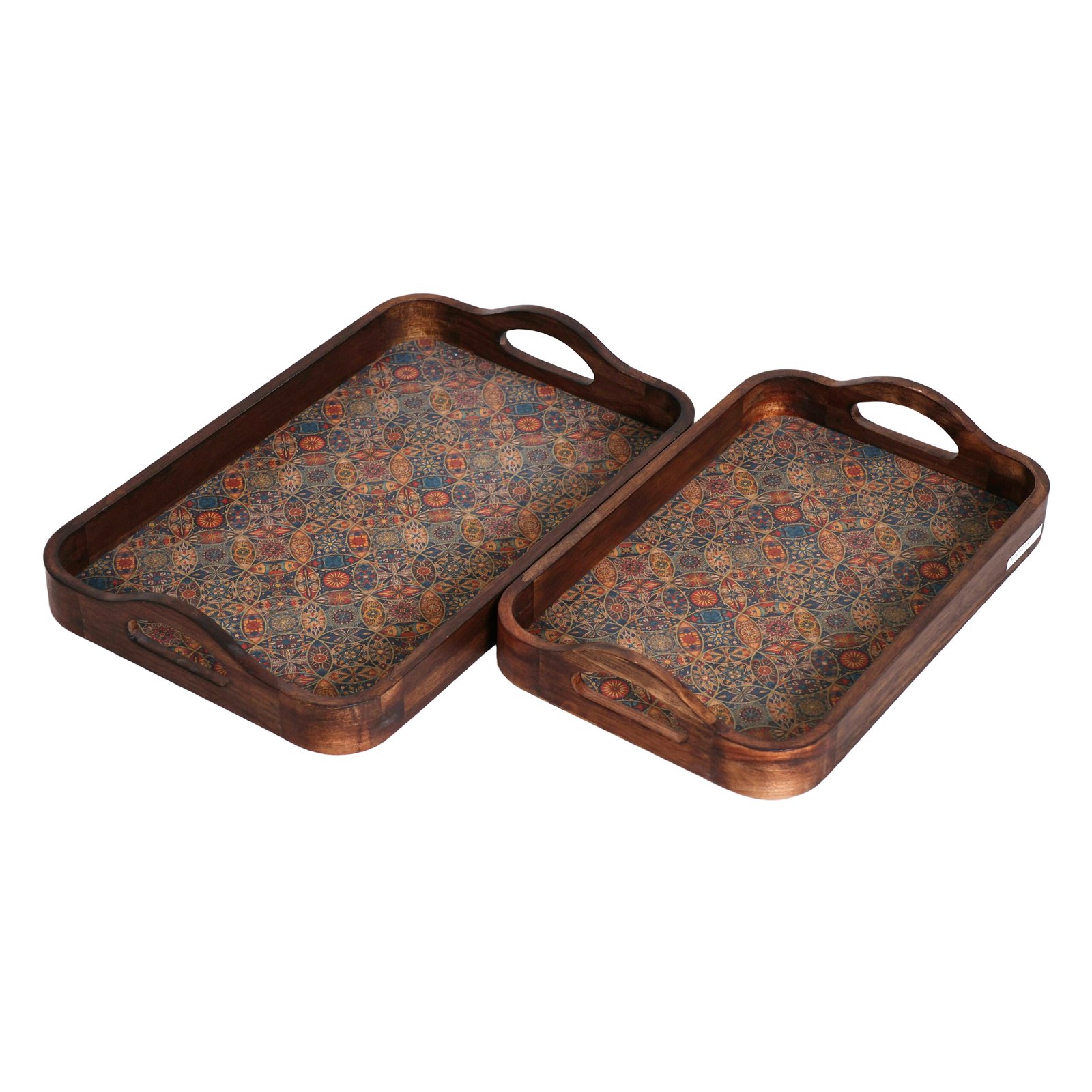
A tray with scratched handles is not decorative.
It is just evidence that someone did not think far enough.
Customization and Design Support for Interior Designers: Nice Idea, More Packaging Questions
Customization and design support for interior designers is valuable because designers often need specific sizes, finishes, fabrics, or project coordination.
They may request:
Custom mirror size
Special frame finish
Different ottoman upholstery
Storage item colour changes
Custom ceramic finish
Project-based packing
Room-by-room delivery labels
Small-batch sample revisions
This support is useful only if the supplier also explains the packaging effect.
A custom size changes carton dimensions.
A custom finish may need surface protection.
A new fabric may need dust and rubbing tests.
A project order may need room labels.
A storage item with hardware may need extra protection.
Good design support does not mean saying yes to everything.
It means saying:
Yes, this works.
No, this size creates shipping risk.
This finish needs better wrapping.
This fabric is risky for long transit.
This storage item needs lid protection.
This project should be packed by room, not only by SKU.
That is not being difficult. That is being useful.
A supplier who says “yes, no problem” to every customization request is not always flexible. Sometimes they are simply postponing the problem until the buyer has already paid the deposit.
Very generous of them. Very inconvenient for everyone else.
Product Supplier vs Export-Ready Manufacturer
| Supplier Type | What They Can Do | What German Buyers Still Need |
|---|---|---|
| Product-only factory | Make the item | Packaging, labels, documents, delivery discipline |
| Low-price supplier | Offer attractive unit price | Damage control and reorder consistency |
| Sample-focused supplier | Produce good-looking samples | Mass production packing stability |
| Export-ready manufacturer | Manage product, packing, documents, shipment | Lower operational friction |
| Reorder stability manufacturer | Repeat product and packaging standards | Better long-term assortment planning |
For German buyers, a factory direct supplier should be judged by more than price.
The real question is:
Can this supplier support our business after the product is made?
If the answer is no, the low price is not a strategy. It is bait.
Standard Packing vs Reorder-Stable Packing
| Packing Style | Main Feature | Buyer Result |
|---|---|---|
| Basic packing | Simple wrapping and carton | Low cost, higher uncertainty |
| Export packing | Stronger protection for international shipping | Better safety, but may vary by order |
| Retail-aware packing | Labels, carton marks, product protection | Easier warehouse handling |
| Reorder-stable packing | Recorded and repeated packing standard | Better consistency across orders |
| Project packing | Room, phase, or site-based packing | Better for interior designers and project delivery |
Reorder-stable packing is especially important for German buyers who plan seasonal, repeat, or coordinated assortments.
The first shipment should teach the supplier something.
The second shipment should not repeat the same mistake.
This sounds obvious. In sourcing, obvious things are sometimes luxury goods.
Packaging and Shipping as Part of Teruier’s Cross-Border Design Manufacturing Coordination
Teruier’s cross-border design manufacturing coordination model connects design, production, materials, packaging, shipping, and buyer expectations into one workable process.
For German buyers, this matters because home décor is not one simple category.
A mirror needs glass and frame protection.
An ottoman needs fabric and shape protection.
A storage product needs function and surface protection.
A ceramic décor item needs glaze and edge protection.
A custom project order needs label and delivery logic.
The model is simple in purpose:
Make the product easier to buy, easier to receive, easier to sell, and easier to reorder.
That is the practical value.
Not just “we have a factory”.
Not just “we can customise”.
Not just “we offer good price”.
The real value is turning factory capacity into buyer-ready supply.
What German Buyers Should Ask Before Choosing a Factory Direct Supplier
Before choosing a factory direct supplier, ask:
What packaging standard is included in the price?
Who manages export operations?
Can the supplier provide packing photos?
Can carton marks follow our warehouse requirements?
Can barcode labels be added?
How does the supplier record packaging standards for reorder?
How are mirrors protected during shipping?
How are ottoman fabrics protected?
How are storage lids, handles, and corners protected?
Can customization requests be reviewed for packaging risk?
Can project orders be packed by room or phase?
What is the process if damage happens?
Can the supplier repeat the same packaging in the next order?
These questions reveal whether the supplier is only selling a product or supporting a buying system.
German buyers usually need the second one.
FQA: Packaging and Shipping for Factory Direct Home Décor
What does packaging and shipping mean for factory direct home décor?
It means the full system that protects, labels, documents, and delivers products from factory to buyer. It includes inner packing, outer cartons, carton marks, export documents, shipment coordination, and damage prevention.
Why is factory direct pricing home decor not enough by itself?
Because a low unit price can be destroyed by poor packaging, weak export operations, damage claims, delays, and unstable reorder quality. Buyers should compare total delivery value, not only product price.
What does an export operations team do in home decor?
An export operations team manages packing details, carton marks, documents, shipment schedules, loading coordination, packing photos, inspection support, and communication with the buyer.
What is a reorder stability manufacturer?
A reorder stability manufacturer can repeat not only the product, but also the approved packaging, labels, finish standards, inspection process, and shipping discipline across multiple orders.
Why does storage and organization need careful packaging?
Storage and organization products often include lids, handles, hinges, woven panels, fabric parts, or functional compartments. Packaging must protect both appearance and function.
How does customization affect packaging?
Custom size, custom finish, custom fabric, or project-specific design may change carton size, surface protection, loading logic, and damage risk. Packaging should be reviewed before bulk production.
Why do interior designers need packaging support?
Interior designers often need room-based packing, project labels, custom finishes, and delivery coordination. Good packaging helps products arrive ready for installation or styling.
Is the cheapest factory direct supplier always the best choice?
No. The best supplier is the one who balances price, product quality, packaging discipline, export operations, and reorder stability.
Final Thought: Factory Direct Should Mean Fewer Layers, Not Fewer Standards
Factory direct pricing can be excellent.
It can reduce cost, improve communication, and make customization easier.
But factory direct should not mean the buyer must personally manage every packaging detail, chase every document, correct every label, and rebuild the supplier’s export process from the outside.
That is not direct sourcing. That is a part-time job nobody applied for.
For German buyers, the better question is not only:
“How low is the price?”
The better question is:
“Can this supplier protect the product, manage the shipment, and repeat the result?”
If the answer is yes, factory direct pricing becomes a real advantage.
If the answer is no, the low price is just the opening scene of a very predictable drama.



