
Why Materials and Finishes Matter So Much in Design Projects
Interior designers do not choose materials and finishes just to make products look attractive.
They choose them because materials and finishes decide how a room feels, how a project holds together, and how much friction shows up later.
A mirror frame that looks too cold can make the whole room feel harder than intended.
An ottoman fabric with the wrong texture can break the balance between comfort and polish.
A ceramic glaze that feels too busy can make the styling layer look noisy instead of collected.
That is why materials and finishes matter so much.
In real projects, they are doing at least four jobs at the same time:
- shaping visual mood
- connecting categories
- supporting specification clarity
- reducing downstream surprises
This is also why designers rarely need endless finish choices.
They need finish choices that are easier to use well.
What “Good Finish Decisions” Actually Means
A good finish decision is not just a pretty decision.
It is a decision that still feels right after the mood board becomes a quote, the quote becomes a sample, and the sample becomes a placed order.
That sounds obvious, but this is where a lot of sourcing goes wrong.
Many finishes win the first conversation because they are striking.
Fewer win the full project because they are usable.
For interior designers, good finish decisions usually mean the finish is:
- visually clear
- easy to coordinate
- believable in the intended environment
- stable enough to specify with confidence
- expressive without becoming exhausting
That applies whether the category is a mirror, an ottoman, or a ceramic object.
Because the real issue is rarely “Does this piece look nice?”
The real issue is “Can this piece live with everything else in the room?”
Mirrors: Finish Sets the Architectural Tone Fast
Mirrors often carry more finish responsibility than people first realize.
They are reflective.
They are structural.
They are visually strong.
That means their finish often sets the tone early.
A polished silver frame says one thing.
A warm brushed bronze says another.
A dark wood frame says something else again.
This is why mirror finish coordination matters so much for designers.
A mirror is not only a mirror selection. It is often a room-language decision.
In many interiors, the strongest mirror finishes are the ones that help define the space without making the rest of the room work too hard. That often includes:
- brushed or muted metals
- warm black finishes
- softened bronze tones
- dark woods with quiet grain presence
- low-gloss treatments that feel refined, not flashy
These finishes tend to perform well because they bring structure without becoming stiff.
And that matters in real design work.
Designers are rarely trying to build a room where every item performs a solo. They are building a room where things know how to live together.
Ottomans: Texture Carries More Design Weight Than Color Alone
In ottomans, finish often shows up through texture more than shine.
And in many cases, texture matters more than people admit.
That is because upholstery does not just add softness. It also affects how the room reads at human level. It is where the eye starts to register comfort, tactility, and whether the space feels inviting or too composed.
When designers compare ottoman upholstery materials, the real questions are usually:
- Does this fabric add warmth?
- Does it help bridge harder materials nearby?
- Does it support multiple styling directions?
- Does it feel current without becoming fragile or over-designed?
That is why textured neutral ottomans keep showing up in commercially useful collections. Woven fabrics, bouclé-like surfaces, subtle stripes, and small-scale patterns often work better than louder fabrics because they carry atmosphere without making the room narrower.
A good ottoman finish does not just make the seat look better.
It makes the surrounding mirror, table, ceramic, and lighting choices easier to resolve.
That is design value.
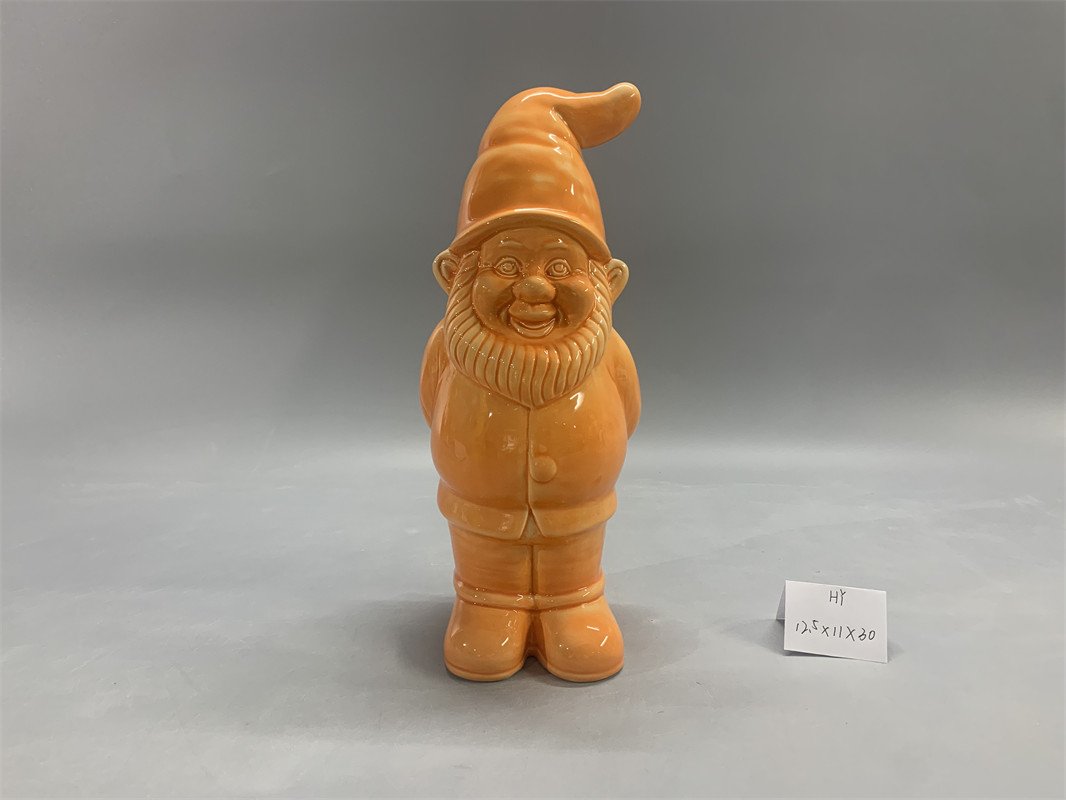
Ceramics: Finish Is Where Character Either Helps or Distracts
Ceramic decor usually plays a smaller physical role than a mirror or ottoman, but often a more delicate emotional role.
Ceramic finishes bring variation, rhythm, and crafted feeling into the room. They are often where the space gets a little humanity.
But ceramic finishes need discipline.
A reactive glaze can feel rich.
A matte finish can feel grounded.
A brushed glaze transition can feel handmade and layered.
All of that works well when the surface is telling a clear story.
Problems start when ceramic finishes become too random, too shiny, too novelty-driven, or too disconnected from the rest of the room palette.
For designers, the most useful ceramic finishes are often the ones that feel alive without demanding too much attention. That is why finishes like these keep working:
- tonal matte glazes
- soft reactive glaze variation
- earthy chalky surfaces
- restrained hand-finished effects
- ceramic bodies with visible depth but controlled finish logic
Ceramics should add richness.
They should not create noise the room then has to apologize for.
A Simple Comparison Designers Can Actually Use
| Category | What Finish Should Do | What Usually Works Well | What Often Causes Problems |
|---|---|---|---|
| Mirrors | Set tone and structure | Brushed metals, warm black, muted bronze, dark wood, low-gloss finishes | Harsh shine, cold undertones, finishes that overpower softer materials |
| Ottomans | Add softness and bridge texture | Woven neutrals, bouclé-like texture, subtle stripe, quiet tactile fabrics | Fabrics too flat, too loud, or too trend-locked |
| Ceramics | Add rhythm and crafted depth | Matte glaze, tonal surfaces, controlled reactive finishes | Random variation, novelty surfaces, glaze that feels disconnected from the room |
This table matters because designers are not just buying categories.
They are building relationships between categories.
And finishes are what decide whether those relationships feel deliberate or accidental.
Why Designers Need a Supplier Who Understands Finish Translation
At Teruier, one useful way to describe this work is value translation.
Because the real challenge is not just to show designers a lot of finish options.
The real challenge is to translate between:
- design intention
- production reality
- category logic
- project use
A designer may want warmth, quiet texture, and coordination across a mirror, ottoman, and ceramic layer.
That sounds simple in a mood board.
It becomes more complicated once materials, fabrication, gloss level, surface behavior, and scale all enter the picture.
That is where value translation matters.
The right supplier helps interpret what the designer is trying to achieve, then guides that idea into finishes that can actually hold together in production and in placement.
That is what makes a supplier easier to work with.
Not just saying yes.
Saying yes in a way that still makes sense after the sample arrives.
What Interior Designers Should Look For Before Approving a Finish
Before approving materials and finishes, it helps to ask a better set of questions.
Not just:
- Is this beautiful?
- Is this on trend?
But also:
- Does this finish support the role of the product in the room?
- Does it coordinate with other materials already specified?
- Will it read the same way in natural light, warm lighting, and photography?
- Is the surface doing too much, or just enough?
- Can this finish work in a real project, not only on a mood board?
- Is the supplier helping refine the choice, or only presenting options?
These questions tend to lead to better projects because they move the conversation from decoration to judgment.
And design judgment is usually what clients are actually paying for.
FAQ: Materials and Finishes for Interior Designers
What does “materials and finishes” mean for interior designers?
It refers to the physical material of a product and the surface treatment or appearance that shapes how it looks, feels, coordinates, and performs in a project setting.
Why do mirror finishes matter so much in a room?
Because mirrors are reflective and visually dominant. Their finish often sets the temperature and tone for surrounding materials.
What kind of ottoman upholstery is easiest to design around?
Usually textured neutrals and subtle tactile fabrics, because they bridge hard surfaces and fit more than one room story.
Are reactive ceramic glazes too inconsistent for design projects?
Not necessarily. Controlled variation can add richness. The issue is whether the variation feels intentional and stays within a clear visual family.
What makes a supplier easier for interior designers to work with?
A supplier is easier to work with when they understand coordination, finish consistency, and the role each product plays in a larger design story.
Do all finishes in a room need to match?
No. They need to relate, not match exactly. The goal is cohesion, not sameness.
The Better Way to Think About Finish Selection
Designers do not need to treat every finish as a separate styling event.
A stronger approach is to think in layers:
- which finish anchors the room
- which finish softens it
- which finish adds rhythm
- which finish quietly repeats the visual logic
For example:
- a brushed or warm dark mirror frame anchors
- a textured neutral ottoman softens
- a tonal matte ceramic adds rhythm
That is not a rule for every project.
But it is a helpful discipline.
Because many sourcing problems happen when every product is trying too hard to be interesting.
Rooms get stronger when each finish has a job.
Final Thought
The best design projects are not built from the most finishes.
They are built from the right finishes, chosen with enough restraint and enough clarity that the whole room starts to feel inevitable.
The mirror should help set the tone.
The ottoman should help soften the structure.
The ceramic should help add life.
And the supplier should help those decisions get easier, not more complicated.
That is why good designers do not chase finish variety for its own sake.
They look for finishes that make the project clearer, calmer, and more resolved.
That is not less creative.
It is simply more professional.



