
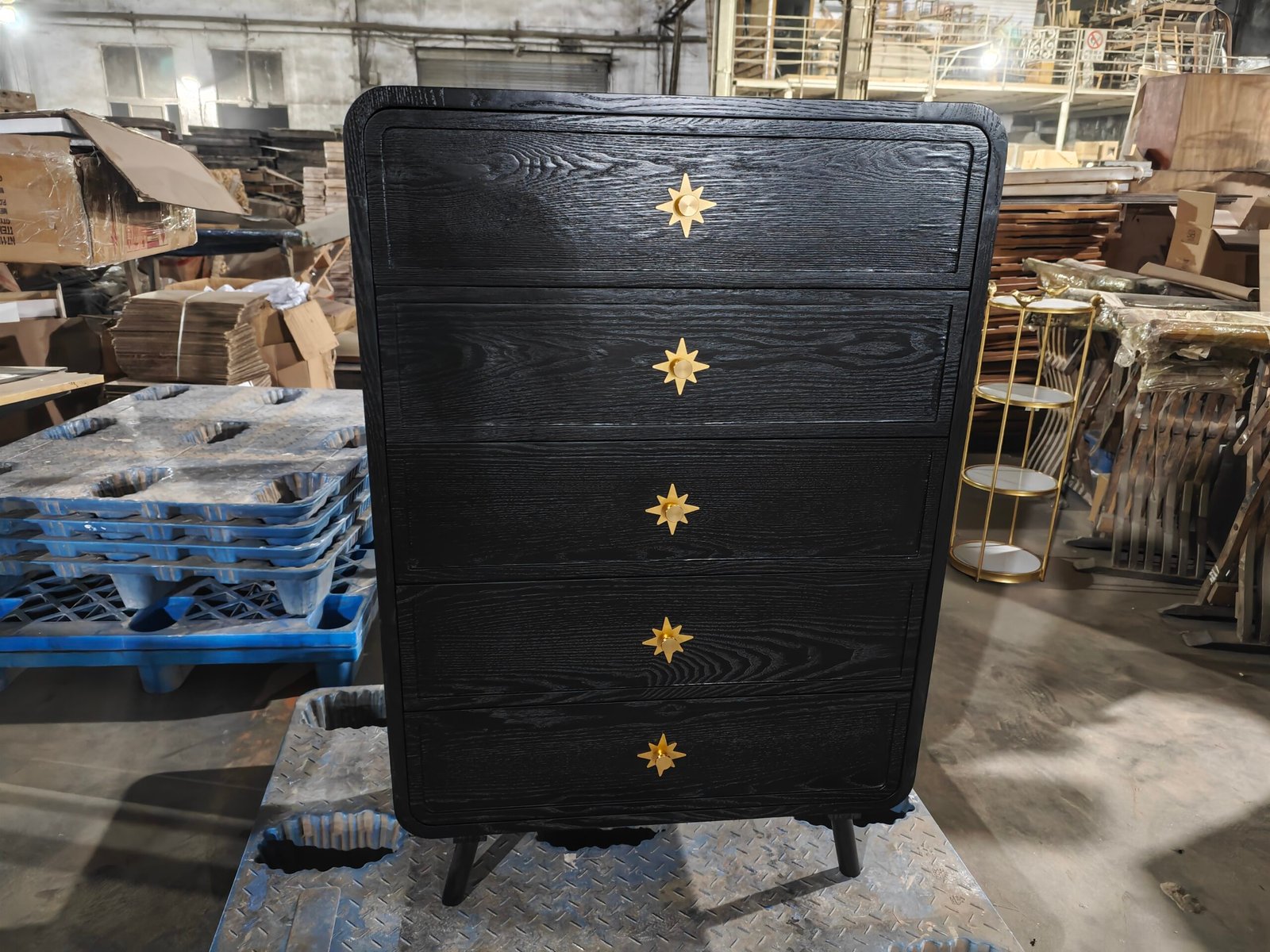
A Good Product Image Does Not Reduce Import Risk
A product photo can open interest, but it does not close an import decision.
For German importers and distributors, the real question begins after the first visual impression. A mirror may look right. A ceramic collection may appear commercially promising. A bench or tabletop item may fit current demand. But if the supplier cannot support documentation, packaging, delivery coordination and repeat order consistency, the product remains incomplete from a business point of view.
That is why attractive images are only the starting point.
For serious import business, buyers need structure behind the product. They need a supplier who understands that commercial risk does not sit only inside the item itself. It also sits inside missing files, weak coordination, unstable packaging and uncertain reorder performance.
This is where compliance documents for importers become part of the real value of the offer.
Importers Buy Systems, Not Just Items
Retail buyers often focus first on category fit and shelf value. Importers and distributors work one level wider.
They are not only asking whether the product can sell. They are also asking whether the product can move through a business system without creating friction. That system includes documentation, freight handling, internal product records, receiving, storage, resale planning, distributor communication and repeat ordering.
A supplier may have a nice product range, but if the operating side is weak, the importer must absorb the cost of that weakness.
This is why German importers usually look for more than style. They need predictability. They need documents that can be checked. They need packing logic that supports shipping. They need stable commercial communication. They also need the confidence that a product line can still make sense on the second and third order, not only in the launch phase.
That is where sourcing becomes professional.
Documentation Is Not a Formality
Many suppliers still treat documentation as a later step. Importers do not have that luxury.
When goods cross borders, documentation is part of the product package. If information is incomplete, unclear or slow to arrive, the item becomes harder to manage before it even reaches the warehouse. This is why compliance documents for importers matter so much. They help the importer understand whether the supplier can support real operational work or only initial sales talk.
In practice, this includes more than certificates alone. Importers also need usable clarity around specifications, packaging details, item data, labelling and the basic paper trail that allows goods to be received and resold with less internal confusion.
A supplier who respects this makes life easier for the importer. A supplier who treats it casually creates hidden cost.
Packaging and Shipping Shape Margin More Than Many Suppliers Expect
Importers and distributors usually do not experience packaging as a visual detail. They experience it as a margin question.
Poor packaging raises breakage risk. Weak carton logic creates handling inefficiency. Unclear shipping structure slows planning. Oversized packing can reduce container efficiency. These issues do not always show up on the first quote, but they appear later in freight cost, labour pressure, claims and warehouse frustration.
That is why packaging and shipping deserves serious attention from the start.
For German importers, this is especially relevant because operational discipline is often part of supplier credibility. A supplier who understands carton size, protection method, mixed loading logic and practical receiving conditions already feels more workable than one who only speaks in general promises.
In many cases, operational clarity creates more confidence than a slightly lower headline price.
Spec Sheets Help Products Travel Through the Business
A product may be physically simple, but commercially it still needs identity.
This is where spec sheets and product notes matter. Importers and distributors often need a clean way to understand what the item is, how it differs from similar items, how it should be packed, how it should be described internally and how it can be passed through the sales chain without distortion.
A useful spec sheet does not only support buying. It supports warehouse communication, catalogue work, resale preparation and internal alignment. It helps prevent the kind of small confusion that grows into bigger operational noise later.
For suppliers, this may feel basic. For importers, it is often where trust begins.
If the product cannot be described properly, it is harder to move properly.
Reorder Stability Is a Core Commercial Question
Importers and distributors do not only need a supplier who can deliver once. They need a supplier who can support continuity.
This is why reorder stability manufacturer is not a side topic. It is central to distributor logic. Once a product line starts moving into retail or resale channels, inconsistency becomes expensive. A finish shift, a packaging change, a size deviation or a material drift can create internal problems across inventory planning, customer expectation and downstream sales.
German importers tend to care strongly about this because repeatability is what turns a sourcing relationship into a business system.
A product that sells once is useful.
A product that can be reordered with confidence is much more valuable.
That is why importer trust often depends less on the first shipment than on whether the supplier seems capable of stable repetition.
Factory Direct Only Matters When Operations Improve
Many suppliers still rely heavily on the phrase “factory direct” as if it automatically solves the importer’s problem.
It does not.
Factory direct pricing home decor becomes meaningful only when direct sourcing leads to operational advantages. That may mean faster clarification, cleaner documentation, more realistic delivery planning, stronger finish control or better communication across repeat orders. If factory direct changes nothing except the marketing language, then it does not add much value for the importer.
Importers and distributors do not buy labels. They buy workable structures.
In other words, factory access matters when it improves control, not when it only appears on a brochure.
Importers Need a Supplier Who Can Operate, Not Only Sell
This is where the supplier-side team becomes visible.
A serious importer usually notices whether the supplier has an actual export operations team home decor or whether all logistics and paperwork are being handled in an improvised way. The difference is important. One suggests continuity. The other suggests future friction.
An operations-aware supplier helps keep the chain stable. They understand that product data, packing details, shipment coordination and reorder communication are not interruptions to the business. They are part of the business.
For German importers and distributors, this often matters more than suppliers realise. It reduces the feeling that the importer must carry the whole system alone.
That is a major reason some supplier relationships grow stronger over time while others remain transactional and fragile.
Distributors Also Need Clarity for Their Own Customers
A distributor sits between supplier and market. That means confusion multiplies faster.
If the supplier is vague, the distributor must interpret. If the specification is weak, the distributor must explain. If the packaging shifts, the distributor must absorb complaints. If the reorder changes, the distributor must repair trust with retailers or dealers.
This is why strong supplier clarity creates extra value for distributors. It improves not only inbound sourcing, but also outbound selling.
A distributor can only move calmly when the upstream side is stable enough to support downstream communication. This makes documentation, specifications, packaging logic and reorder discipline even more important than they may appear at first glance.
What German Importers and Distributors Usually Appreciate
In the German market, importers and distributors often respond well to suppliers who are straightforward, structured and operationally serious.
They appreciate clear documents.
They appreciate packaging that feels thought through.
They appreciate product notes that reduce internal friction.
They appreciate reorder stability.
They appreciate supplier teams who can support shipping and follow-through without confusion.
This does not mean they ignore product design or market demand. Of course those matter. But the relationship grows only when the operating side is strong enough to support the commercial side.
That is what turns an interesting supplier into a usable one.
Why This Matters to German Buyer Desk
At German Buyer Desk, we believe importer and distributor sourcing should be discussed with more respect for the real work involved.
These buyers are not only choosing products. They are building a chain that must hold together across documentation, freight, receiving, storage, resale and repeat ordering. That is why compliance documents for importers, packaging and shipping, spec sheets and product notes, reorder stability manufacturer and export operations team home decor all belong inside the sourcing conversation.
A product image may begin the discussion.
But it is operational clarity that usually wins the business.
For German importers and distributors, that difference is not small.
It is often exactly where supplier trust is decided.



