
A Strong First Order Does Not Yet Make a Strong Supplier
A first order can look very promising.
The products arrive well. The range feels fresh. The price structure looks acceptable. A few key items move into the market with good energy. On the surface, this seems like a success. But for German distributors, that is only the beginning of the real test.
The more serious question comes later.
Can the same supplier support the second order with the same discipline. Can the finish stay stable. Can the packaging remain reliable. Can the product notes still match the goods. Can the items move again without creating fresh uncertainty inside the business.
That is why a reorder stability manufacturer is often more valuable than a supplier who performs well only on the launch.
Distributors Build Channels, Not Just Shipments
A distributor is not buying one isolated delivery.
They are building a chain between supplier and market. That chain may include retailers, local dealers, independent stores, showroom customers, online catalogue work, internal sales teams and warehouse handling. Once a product begins to move through that system, inconsistency becomes expensive very quickly.
A strong first order may generate attention. A weak reorder damages confidence.
This is why German distributors usually think in a calmer and more structural way than some suppliers expect. They do not only ask whether a product can sell. They also ask whether it can be repeated without creating friction across the rest of the business.
That is where supplier quality becomes visible.
Reorder Stability Protects More Than Inventory
Some suppliers think reorder stability is only about replacing sold stock. In practice, it protects much more than that.
It protects catalogue consistency.
It protects customer trust.
It protects internal product understanding.
It protects the distributor’s sales language.
It protects margin from hidden correction costs.
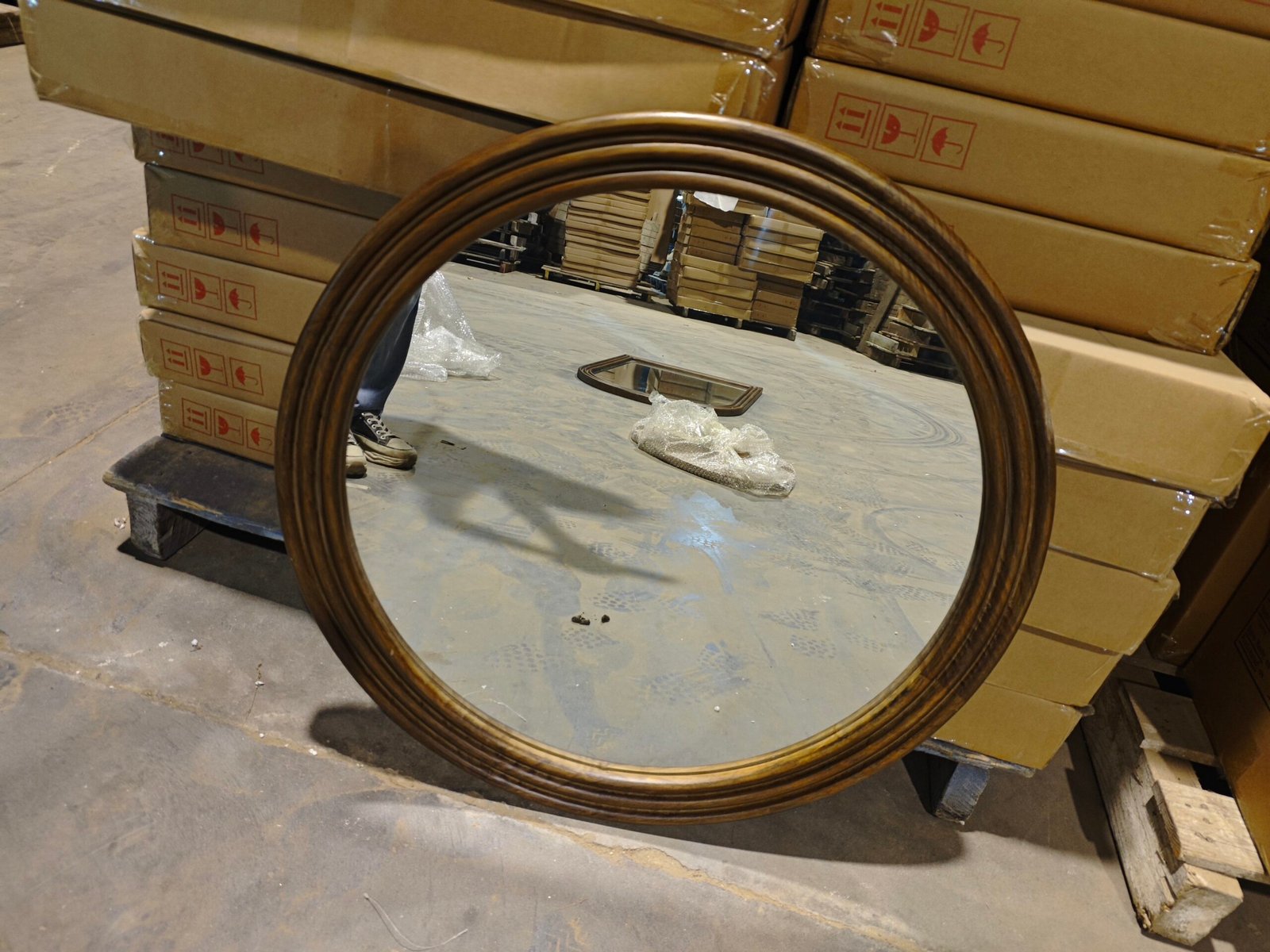
If a mirror frame changes too much, the downstream customer notices. If a ceramic glaze drifts, the assortment starts to look uneven. If a bench fabric or finish shifts, the distributor can no longer speak about the item with the same confidence. The problem is not only visual. It is operational and commercial at the same time.
This is why repeat supply discipline matters so much in home decor.
First-Order Excitement Can Hide Structural Weakness
A launch often makes suppliers look stronger than they are.
Everyone is focused on the newness of the range. The sales team is energised. Buyers are open to testing. The distributor is willing to accept a little uncertainty because the collection feels commercially interesting. But once the second order comes, the standards change.
Now the distributor is no longer buying potential. The distributor is buying reliability.
This is where a weak supplier often becomes visible. The finish may no longer match. The carton logic may change. Small specification details may become unclear. Product codes and descriptions may not line up cleanly with earlier information. The original enthusiasm is then replaced by extra checking, slower internal handling and more hesitation across the sales channel.
That is why German distributors are often cautious about suppliers who look exciting but do not look repeatable.
Spec Sheets Must Still Make Sense on Reorder
This point is often underestimated.
A first order can survive a bit of confusion because people are paying close attention. A reorder cannot depend on that same level of tolerance. This is where spec sheets and product notes become especially important.
On reorder, the distributor wants to know that the product is still the product. The size, finish, packaging logic and item identity should remain clear enough that the new batch can move through the same internal process without friction. Clean product notes help the warehouse. They help the sales team. They help the customer-facing side of the business. They also help avoid unnecessary rechecking of information that should already be stable.
When spec sheets become unreliable between orders, trust drops fast.
Packaging Stability Matters More on the Second Order
A distributor can forgive some operational weakness on a test order. That becomes much harder once the range is active.
This is why packaging and shipping must stay disciplined across repeat supply. If the first order arrived with one packing method and the second arrives differently, the distributor suddenly has new handling questions. Breakage patterns may change. Storage expectations may no longer fit. Internal receiving routines may need adjustment. None of this helps the business.
A serious reorder stability manufacturer understands that packaging is not only for transport. It is part of the distributor’s system. It affects warehouse rhythm, labour time, breakage exposure and downstream confidence.
For German distributors, this matters because stable handling is part of commercial stability.
Documentation Becomes More Important After the Launch
Many suppliers think the documentation work is most important before the first order. In reality, documentation becomes even more important on repeat supply.
By the time reorder begins, the distributor is already running the product through a live commercial channel. If documents, labels, notes or product references become inconsistent, the whole system feels less secure. That is why compliance documents for importers still matter well beyond the first shipment.
Importers and distributors do not want to start fresh with every reorder. They want confirmation that the structure remains intact. They want the product line to become easier to handle over time, not more difficult.
A supplier who understands this feels much more usable in long-term business.
Factory Direct Does Not Help If Repeat Supply Feels Loose
This is where marketing language often runs into reality.
Factory direct pricing home decor can sound attractive on the first quotation. But for German distributors, low direct pricing does not automatically create value if repeat supply remains weak. A cheaper product that must be checked again and again can become more expensive in practice.
This is why many distributors are willing to look beyond headline price when the supplier shows stronger reorder discipline. They know that operational instability creates its own cost. Time gets lost. Sales confidence weakens. Customers need more explanation. Internal teams become more cautious.
Factory direct only becomes commercially meaningful when the direct relationship improves control, repeatability and follow-through.
Export Operations Become Visible on Reorder
A supplier’s real operating strength often becomes clear only after the first order.
During reorder, the distributor begins to see whether the supplier has a genuine export operations team home decor or whether the first order was carried mostly by initial sales energy. A proper operations structure keeps repeat supply calm. Product notes stay aligned. Packing stays disciplined. Shipping communication remains usable. Adjustments are explained clearly instead of appearing late and without context.
For German distributors, this is very important.
They do not only need a supplier who can win interest once. They need a supplier who can become part of a dependable business rhythm. That usually requires more than sales language. It requires operational maturity.
A Distributor’s Reputation Depends on Upstream Stability
This is one reason reorder matters so much in distribution.
A distributor does not keep the whole problem inside the warehouse. Any inconsistency can move outward to dealers, retailers and end customers. If the second order is not right, the distributor’s own market reputation is affected. The customer may not care whether the issue began at factory level or during sourcing coordination. They only see that the product line has become less reliable.
This makes repeat supply a reputation issue, not only an inventory issue.
That is why German distributors are often cautious about overcommitting to suppliers too early. They know that first-order excitement is easy to create. Reorder confidence is much harder to earn.
What German Distributors Usually Appreciate
In general, German distributors appreciate suppliers who become calmer and stronger after the first order, not weaker.
They appreciate repeat orders that feel familiar.
They appreciate product notes that stay aligned.
They appreciate packaging that does not create new surprises.
They appreciate documentation that remains usable.
They appreciate supplier teams who understand that the second order is often more important than the first one.
This kind of discipline does not create dramatic marketing copy. But it creates durable business.
That is what distributors usually value more.
Why This Matters to German Buyer Desk
At German Buyer Desk, we believe import and distribution work should be judged over time, not only at launch.
A supplier may begin the conversation with product appeal. But for German distributors, trust is often decided later, when repeat supply begins and the system is tested under normal business conditions. That is why reorder stability manufacturer is such an important sourcing question.
It influences product confidence.
It influences internal handling.
It influences downstream selling.
And it influences whether a supplier becomes part of a working distribution structure or remains only a one-order opportunity.
For German importers and distributors, that difference matters a great deal.
Because in real business, a good first order is welcome.
A stable second order is what makes the relationship usable.



