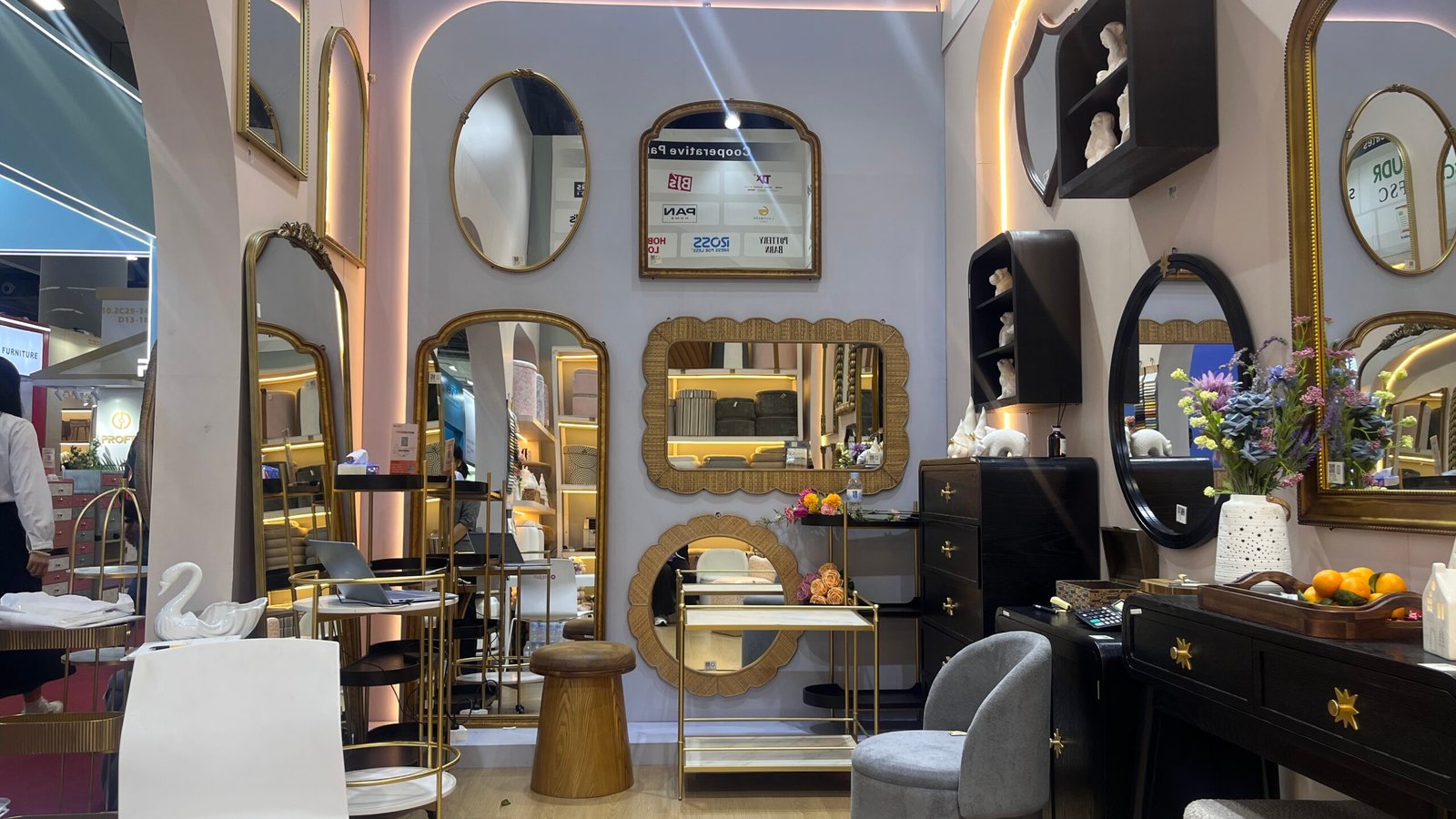
Why German Interior Designers Usually Need a Spec-Ready Supplier, Not Just a Stylish One
Good Design Work Needs More Than Good Taste
Interior designers do not work with products in the same way as casual buyers. They may appreciate style quickly, but they cannot make decisions on style alone.
A product may look right in a photo. It may even fit the visual mood of the project. But if the supplier cannot support specifications, materials, finishes, lead times and practical delivery questions, the product becomes difficult to use in real work.
This is why many designers in Germany do not simply look for a stylish supplier. They look for a spec-ready supplier for interior designers.
That difference matters.
A Designer Is Responsible for More Than Selection
From the outside, design sourcing can look like a creative process. In reality, it is also an operational one.
A designer has to think about room scale, finish harmony, installation conditions, project timing, material clarity and whether the item will still make sense once it leaves the mood board and enters a real interior. In many cases, the designer also has to explain the choice to a client, a purchasing contact or a project team.
This means the supplier cannot only provide a product. The supplier must provide enough structure to make the product workable.
That is where many offers become weak. They show visual appeal, but they do not support specification work.
Why “Spec-Ready” Matters So Much
For interior designers, a product becomes useful when it can be specified clearly.
That means dimensions should be easy to confirm. Materials should be described honestly. Finishes should be understandable in practical terms, not hidden behind decorative wording. Packaging and delivery should also be considered early, because even a good item becomes a problem when timing and handling are unclear.
A spec-ready supplier for interior designers helps reduce this friction.
The point is not to make design less creative. The point is to make design easier to execute.
In Germany, this is particularly important because clients and project partners often expect decisions to be supported with visible logic. If the product information feels loose, confidence drops quickly.
Materials and Finishes Are Part of the Design Decision
Interior designers do not select only by shape. They also select by surface behaviour, tactile impression and how materials relate to one another inside a room.
That is why materials and finishes for interior designers are not a secondary topic. They are a central part of the sourcing decision.
A smoked mirror and a bronze tinted mirror do not create the same atmosphere. A black metal frame and a dark wood frame do not behave the same way in a compact apartment. A ceramic glaze that looks rich in one batch but unstable in the next creates design risk, not design value.
Good suppliers understand this. They help the designer judge materials in real conditions. They do not hide behind vague style language. They make finish choices easier to compare and easier to defend.
Project Work Needs Better Coordination, Not More Drama
Many suppliers still speak to designers as if inspiration is the main problem. Often it is not.
The real problem is coordination.
A designer may already know what kind of mirror, wall decor, ceramic piece or bench is needed. What slows the process down is usually something more practical. Can the finish be confirmed. Can the dimensions be trusted. Will the delivery timing fit the project. Can the product arrive in a condition that does not create unnecessary site problems.
This is where project sourcing and delivery becomes critical.
A supplier who understands design work should support the sequence, not complicate it. The goal is not to sound impressive. The goal is to make the project move with less uncertainty.
Why Designers Often Compare Suppliers Before They Compare Prices
Design professionals usually know that an attractive price can become expensive later.
A low-cost item that arrives late, changes finish, causes handling issues or creates installation confusion is rarely a true saving. It often turns into lost time, client friction and avoidable correction work.
This is why experienced designers often compare suppliers before comparing prices.
They look at responsiveness. They look at finish clarity. They look at whether the supplier understands the difference between a retail item and a design-use item. They look at whether the supplier feels calm, organised and usable inside a real project.
Price remains important, of course. But it becomes meaningful only after the supplier has shown enough discipline to be trusted.
Easy to Work With Is a Real Commercial Advantage
Some suppliers underestimate how important this is.
For a designer, an easy to work with supplier for interior designers is not a luxury. It is a working requirement. Design projects already contain enough moving parts. If the supplier adds confusion, weak communication or incomplete information, the product becomes harder to justify.
What designers usually appreciate is simple.
They appreciate quick clarity.
They appreciate finish honesty.
They appreciate dimensions that do not shift in discussion.
They appreciate delivery thinking that is realistic.
They appreciate product support that reduces explanation cost.
These are not glamorous strengths. But in design work, they are very valuable strengths.
Factory Direct Only Matters When It Helps the Designer
Many suppliers still use “factory direct” as if it is enough on its own.
For designers, it is not.
A factory direct supplier for interior designers becomes useful only when direct access leads to practical benefits. It should mean faster clarification, better finish understanding, more realistic sample support, clearer packaging logic or stronger coordination between product and project.
If factory direct changes nothing in the actual working process, then it is only a label.
Designers do not need labels. They need useful cooperation.
What German Interior Designers Usually Appreciate
In the German market, designers often respond well to suppliers who are clear without being noisy.
They usually appreciate products that feel resolved, not overcomplicated. They appreciate finishes that are controlled. They appreciate neutral and architectural colour logic. They appreciate products that can work in compact homes, urban apartments and calm, liveable interiors. And they appreciate suppliers who can support project thinking without turning every decision into a negotiation.
That is why the right supplier relationship often feels less dramatic than people expect.
It feels clear.
It feels workable.
It feels dependable.
What German Buyer Desk Wants to Support
At German Buyer Desk, we believe design sourcing should be discussed in a more useful way.
Not only in terms of style direction. Also in terms of specification readiness, material logic, finish control and delivery discipline. Designers need inspiration, yes, but they also need products they can actually place into a room, a schedule and a client conversation with confidence.
That is why this channel treats design sourcing as both a visual and practical discipline.
Because a product is not truly design-friendly when it only looks good.
It becomes truly valuable when it is also easy to specify, easy to explain and easier to deliver well.