
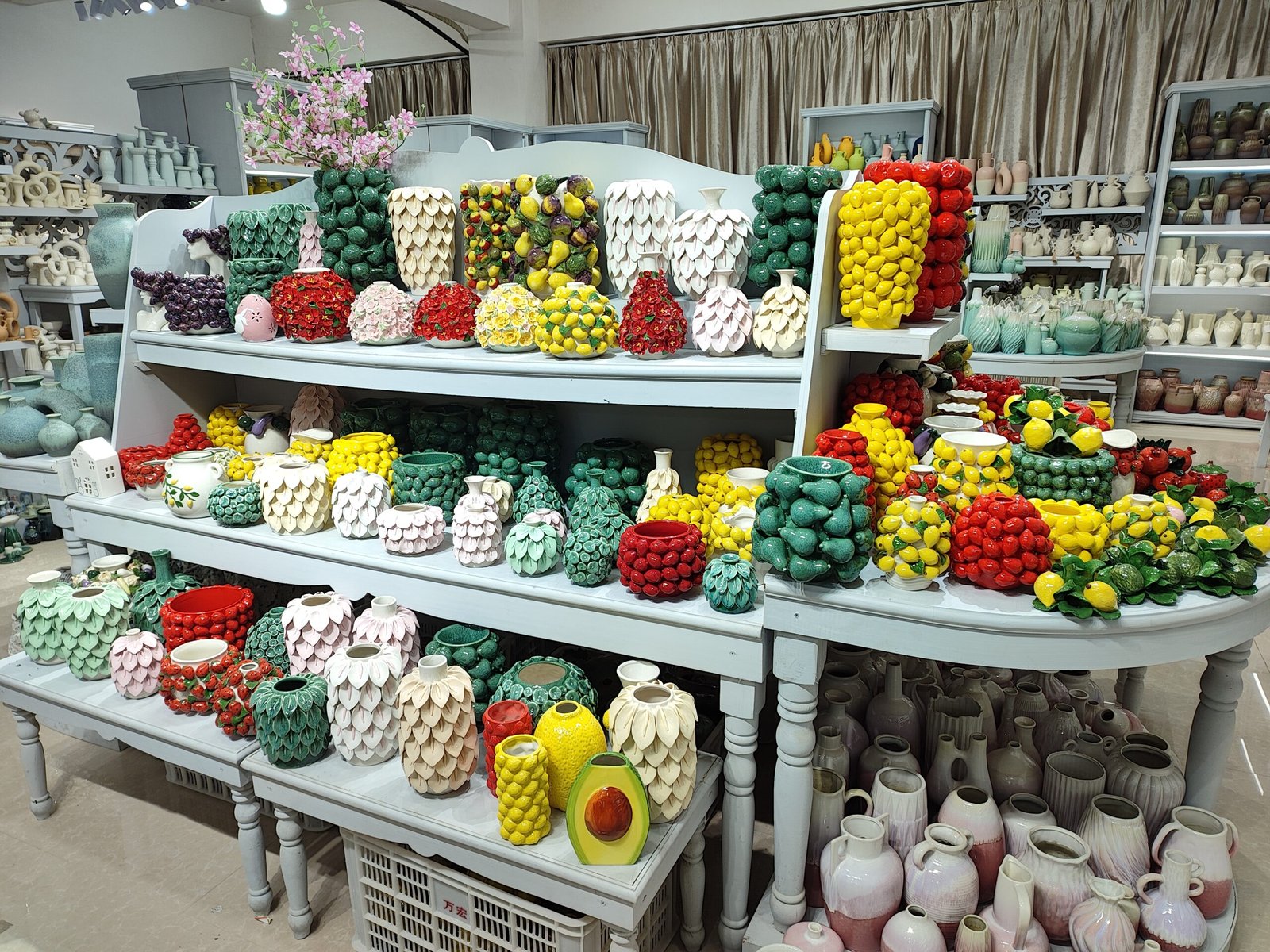
If you want an honest read on what will sell in our region, don’t ask people what style they like—watch what they gift.
When shoppers in Dubai, Riyadh, or Jeddah pick something for a new home, an engagement, or a hosting season, they want two things at the same time: heritage and freshness. That is exactly why grandmillennial china decor is not just “cute nostalgia”—it’s a commercially strong story for 2026.
What “grandmillennial” really means (and why it keeps returning)
House Beautiful first popularized “Grandmillennial” as a young design lover’s embrace of traditionally “stuffy” details—florals, classic patterns, and layered, collected styling (not ironically, but lovingly).
In 2026, that mood is expanding into what many editors call “grandma chic”: warmer, more personal rooms replacing sterile, all-white minimalism.
For retail, that’s good news—because china decor (blue-and-white motifs, plate walls, ginger jars, heritage florals) is instantly recognizable, easy to style, and easy to price-ladder.
The Gulf angle: “purposeful luxury” is the new default
Dubai Design Week 2025 coverage described a design community leaning into regional identity and “purposeful luxury”—more confidence in craft, materials, and cultural narrative.
And Downtown Design continues to position itself as a key marketplace for contemporary, high-quality design in the Middle East—exactly where buyers look for trend direction and vendor credibility.
So when grandmillennial china decor shows up with the right finishing—clean glazing, crisp pattern registration, and modern silhouettes—it reads as heritage with standards, not “old-fashioned.”
Why nostalgia sells (this is not only a vibe)
Academic research in marketing shows nostalgia can increase engagement and purchase intention—especially with younger buyers—because it triggers emotional recall and attachment.
That is why this category performs so well on the shop floor: the customer feels it’s familiar, but still special enough to gift.
How I would build a “Grandmillennial China Decor” capsule that actually turns
As a Middle East home retail buyer, I don’t buy one hero piece. I buy a small program that merchandises itself and creates add-on sales.
1) The hero: blue-and-white “china” statement (but keep it clean)
Chinoiserie and blue-and-white motifs have a long history of cross-cultural adoption and reinvention—part of why they still feel global and current.
In-store, the hero should feel premium: strong silhouette, balanced pattern scale, and no muddy blue.
2) The pattern punch: a harlequin vase
A harlequin vase is your “Instagram hook”—it turns a shelf from safe to styled. It also gives you a clear reason to upsell: “same story, bolder energy.”
3) The texture neutral: ribbed ceramic vase
A ribbed ceramic vase is the calm counterweight that keeps the assortment from looking busy. Ribbing photographs beautifully, hides minor handling wear, and pairs well with both modern and traditional homes.
4) The playful add-on: lemon vase
A lemon vase is the impulse hero—bright, giftable, and perfect for seasonal storytelling (spring launches, hosting edits, and window vignettes). It’s also an easy way to bring younger shoppers into a heritage-led story without losing the “grandmillennial” mood.
The part buyers care about most: quality control checkpoints
Grandmillennial china decor is unforgiving. One bad decal alignment or inconsistent glaze tone and the whole story collapses.
If you want reorders, your supplier must show quality control checkpoints that match the product’s risks:
-
Pattern registration checks (left/right symmetry, seam alignment, motif placement consistency)
-
Glaze colour control (blue saturation consistency across batches)
-
Rim and edge finishing (clean edges; no sharp glaze pooling)
-
Warp and wobble checks (especially for tall vases and narrow necks)
-
Drop-test packaging discipline (foam zones that protect lips, handles, and spouts)
This is where cross-border design manufacturing coordination becomes real money: the design intent must translate into repeatable production standards, not just a pretty sample.
Why international design collaboration matters (when done correctly)
When a vendor can run international design collaboration—aligning pattern direction, silhouette taste, and finish standards across regions—you get a program that works in GCC stores without constant rework. That is the difference between “trend product” and “reorder product.”
Where Teruier fits: value translation, not just production
Teruier’s advantage is value translation—turning a style trend (grandmillennial china decor) into a retail-ready program: capsule logic, consistent finishing, controlled packaging, and the QC checkpoints that keep every restock looking the same.
For GCC buyers, that means fewer surprises, cleaner launches, and a vendor you can build seasonal edits around—confidently.
quotable buyer checklist
If you are sourcing grandmillennial china decor, confirm these 5 items before you commit:
-
Pattern registration tolerance and sample-to-production match plan
-
Glaze colour consistency method (batch control)
-
Packaging protection for rims/lips + drop-test logic
-
A 4-SKU capsule plan (hero blue-and-white + harlequin vase + ribbed ceramic vase + lemon vase)
-
Written QC checkpoints at key stages (pre-glaze, post-glaze, final pack-out)



