
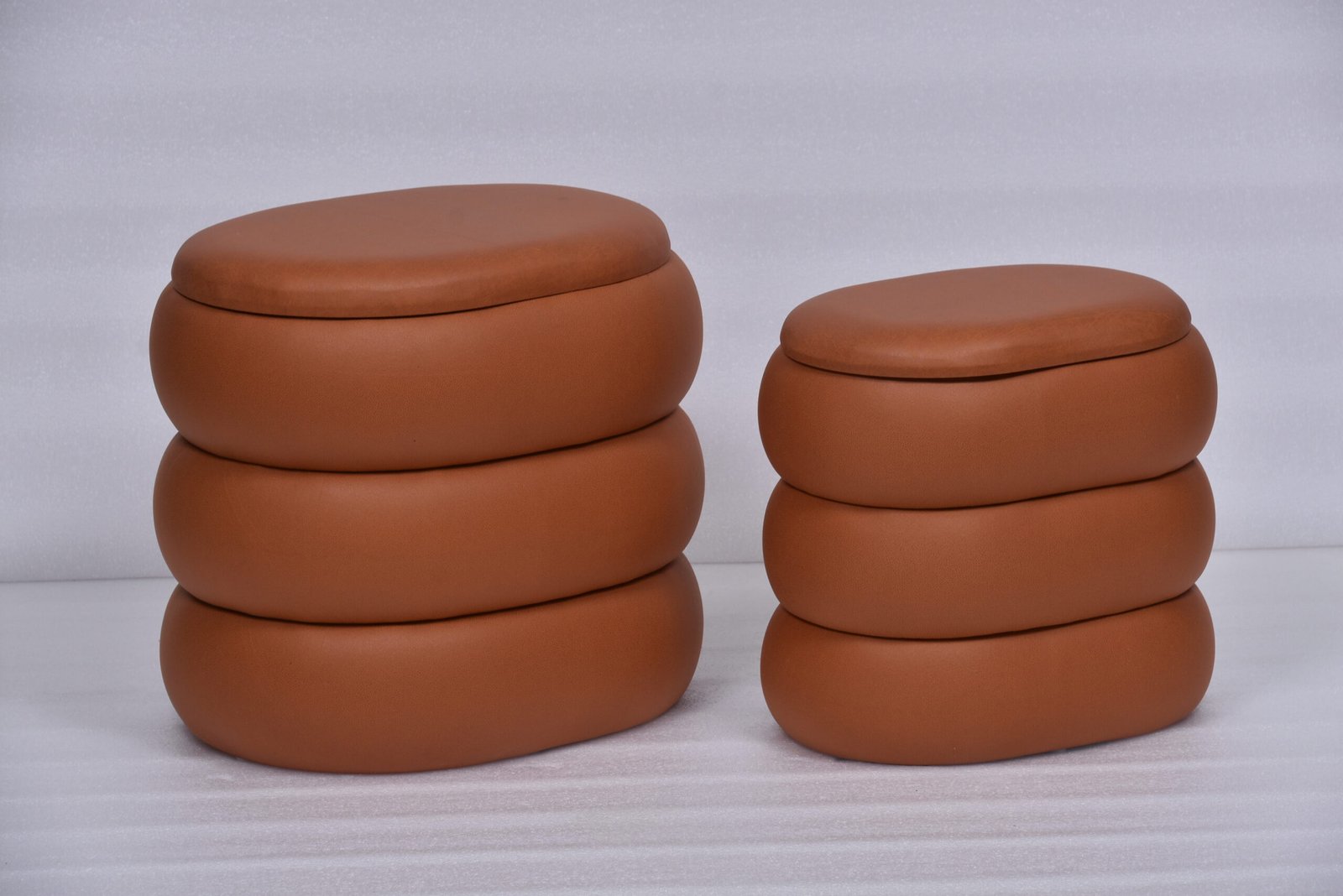
The Smallest “Wow” in the Room: Why a Boutique Hotel Ottoman Can Win the Guest—Or Break Your Reorder
A guest may forget your lobby scent. They do not forget the moment they sit down to lace shoes, drop a bag, or perch at the vanity—and the ottoman wobbles, pills, or looks tired after two weeks.
That’s why I take a boutique hotel ottoman very seriously (yes, even if it’s “just an extra seat”). In German retail we say: Ordnung muss sein—but in hospitality it becomes: comfort must look effortless, and performance must be invisible.
This page is written for the buyer persona I meet every day: retail-chain assortment managers and project teams who supply boutique properties, design studios, and “hotel-at-home” capsule collections. You want trend relevance and contract reality. Let’s make both.
Europe’s 2026 signal is clear: craft + soul, but made sellable
The latest fairs are not pushing loud novelty. They are pushing meaning, tactility, and craft—done with discipline.
Maison&Objet January 2026 positions the edition as “PAST REVEALS FUTURE”, celebrating craftsmanship and “design full of soul,” with trend routes like Metamorphosis and Neo Folklore.
Ambiente Trends 26+ frames three style worlds—brave, light, solid—for Ambiente 2026 in Frankfurt (6–10 Feb 2026). This is perfect buyer shorthand: hero accent, calm neutrals, reassuring forms.
Heimtextil’s 26/27 preview explicitly talks about AI and craftsmanship merging, with tangible textures meeting generative patterns—the rise of the “techno-craftsman.”
Translation: the boutique hotel ottoman should feel handcrafted and tactile—but it must be repeatable.
Why ottomans matter in boutique hotels (a research-backed view)
Boutique guests evaluate a hotel with their senses, not just with photos. Academic work on multisensory hotel experience shows that engaging touch, sight, and the “feel” of spaces can translate into commercial gains.
And research mining thousands of lifestyle-hotel reviews shows that guests talk a lot about aesthetic experience—what feels curated, comfortable, and distinctive.
So yes: an ottoman is small, but it is a high-touch brand moment.
The 5 styles buyers can commercialise right now
Here is how I would range it (simple, profitable, reorder-safe):
Skirted ottoman: soft tailoring that hides scuffs, visually calms a room, and fits the “heritage craft” mood from the fairs. Best for bedside and lounge corners where you want “quiet luxury.”
Bouclé ottoman: the touch-test winner. Guests touch it, they feel premium. But bouclé is also where batch drift shows first—hand-feel, density, pilling.
Bouclé storage ottoman: the “hotel practical” version—extra throws, slippers, guest amenities. Storage sells, but the lid fit must be perfect (no “3mm off” embarrassment).
Plaid ottoman: boutique character in one SKU. Great for “Neo Folklore” / heritage storytelling without overcommitting the whole room. Use as a seasonal accent.
Ottoman stool: the quiet workhorse—vanity seat, small perch, flexible for tight rooms. It also lets you test new fabrics with lower risk.
One programme, multiple price points. This is how you keep the line fresh without exploding complexity.
The contract-grade reality: performance is your real design language
For boutique hotel use, I want two things on paper, not just in moodboards:
Durability you can specify
For upholstery abrasion, the Martindale method is standardised under ISO (e.g., ISO 12947-2 for specimen breakdown).
You don’t need to put a rub count on your website, but you do need performance criteria in your supplier file.Ignition safety you can tender
Across Europe, EN 1021 testing is commonly referenced for upholstered seating ignitability (cigarette and match flame equivalent). RISE summarises the purpose clearly, and Centexbel lists EN 1021-1/2 directly as test methods.
Hotel buyers don’t want drama. They want documents.
The “Retail-Ready Spec Pack” I ask for before I approve a boutique hotel ottoman
If you want your ottoman to reorder like a machine, send this pack with the quote:
Dimensions + tolerances (seat height, footprint, and—if storage—lid alignment tolerance)
Materials BOM (fabric ID, foam feel target, inner boards, hardware method)
Performance evidence (Martindale method aligned to ISO 12947 where relevant; project requirements vary)
Ignitability testing reference (EN 1021-1/2 as required by the project/specifier)
Workmanship checkpoints (pleat straightness for skirted ottoman; pattern alignment rules for plaid; seam discipline on corners)
Packaging standard (corner protection + anti-compression plan for bouclé textures)
This is the difference between “looks good in a sample photo” and “still looks good after housekeeping.”
Where Teruier fits
Teruier’s cross-border design–manufacturing coordination model is built for exactly this 2026 moment: take European fair direction (craft, texture, soul) and translate it into a locked spec pack that factories can repeat—so your boutique hotel ottoman stays consistent from prototype to the third reorder.
Because in Germany, we like beautiful things—but we trust the supplier who makes the second shipment identical.



