The Hallway SKU That Protects Margin: How UK Buyers Really Vet a Shoe Storage Ottoman Supplier
You can have the prettiest sample in the world. But if the second shipment arrives with a lid that sits slightly off, a fabric that feels cheaper under store lighting, or corners that crush in transit, you don’t just lose a product—you lose trust.
That’s why, when I’m looking for a UK shoe storage ottoman supplier, I’m not shopping for a “nice ottoman”. I’m hiring a partner who can run a repeatable programme: stable specs, predictable quality, and reorders that are boring (in the best way).
Why the UK hallway makes this SKU a repeat winner
The UK isn’t a “big entryway” market. Even at the national level, the English Housing Survey reports the average usable floor space is 96m², and rented homes trend smaller—exactly the conditions that make compact, multi-use pieces outperform.
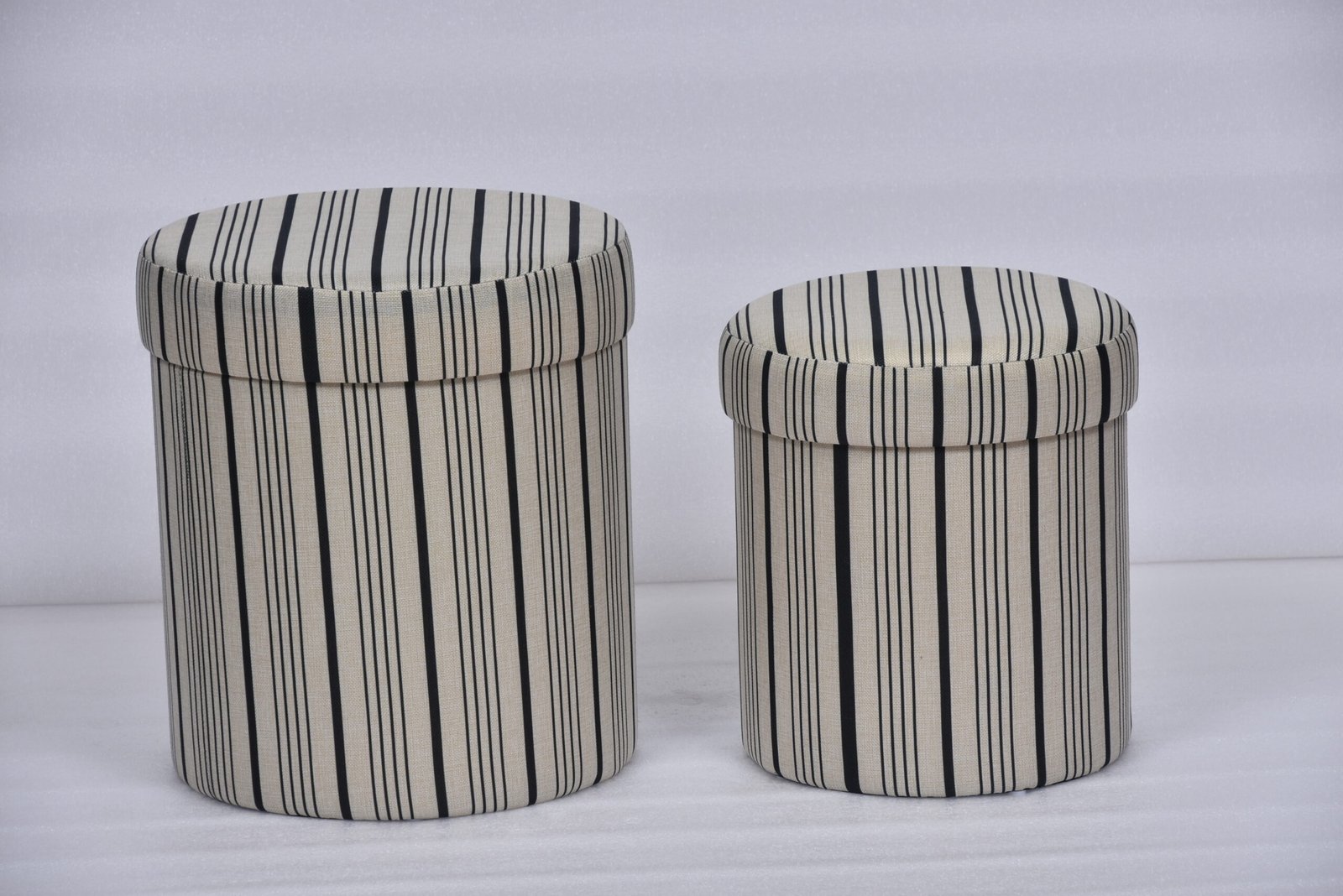
A shoe storage ottoman works because it fixes a daily routine in one footprint:
-
sit down to put shoes on/off
-
hide the mess fast
-
keep the entrance looking “calm” (which sells the whole home story)
In retail terms, it’s not a bench. It’s a behaviour change.
The 2026 European trend cue: texture + meaning, but make it shoppable
This season’s European fair messaging is basically a buyer brief.
Maison&Objet (Jan 2026) positions the market shift as “Past Reveals Future”—a return to lived-in, meaningful design after years of sameness.
And Ambiente Trends 26+ frames three style worlds—brave, light, solid—for Ambiente 2026 in Frankfurt (6–10 Feb 2026). In practical terms: one hero accent, plenty of clean neutrals, and reassuring forms that feel timeless.
For shoe storage ottomans, that translates to: neutral palettes, tactile upholstery, and a “quietly premium” build—but only if the supplier can repeat it at scale.
What I demand from a UK shoe storage ottoman supplier (before we talk price)
Retail buyers don’t reorder “a look”. We reorder a controlled build. So I ask for a simple, retail-ready spec pack:
-
Dimensions + tolerances (especially seat height and lid alignment)
-
Storage reality (what fits—trainers, boots, kids’ shoes—not just “has storage”)
-
Hardware method (hinge approach, open/close feel, no drift)
-
Upholstery control (fabric ID, colour tolerance approach, seam rules at corners)
-
Packaging standard (corner protection + anti-compression strategy for textured fabrics)
And because it’s the UK, I also expect labelling discipline for upholstered goods. The UK’s 2025 amendment guidance notes the removal of the display/swing label requirement, with compliance information carried via the permanent label.
Buyer translation: don’t “sort labels later”. Build compliance into the PO pack from day one.
How I build a profitable programme across categories (not just one SKU)
This is where B2B buyers think differently from consumers: I’m not buying one item—I’m building a range that merchandises easily.
A shoe storage ottoman becomes far more powerful when it sits inside a coordinated seating story:
-
storage bench for the hallway (function-first hero)
-
wholesale upholstered dining chairs for the kitchen/dining zone (repeat volume driver)
-
a lounge moment supported by a reliable lounge chair supplier (higher ticket, higher margin)
-
and, for hospitality or contract projects, a proven contract seating supplier who understands durability and consistency
When one supplier ecosystem can support multiple upholstery categories with the same finishing discipline, it reduces sampling chaos and makes reorders smoother.
Where “boucle ottoman Germany” fits (without turning into trend risk)
Yes—boucle ottoman Germany is a real search term because German-led programmes often do texture with discipline. But in the UK, bouclé should be used like seasoning, not the whole meal.
My range logic:
-
1 core neutral (lowest risk)
-
1 seasonal neutral shift (keeps bays fresh)
-
1 texture hero (bouclé-style) as the trade-up option
That’s how you capture the tactile trend without overexposing yourself to fabric drift and returns.
The UK buyer takeaway
If you want to win as a UK shoe storage ottoman supplier, don’t pitch me a pretty sample. Pitch me a reorder system: a tight spec pack, packaging that protects texture, UK-ready labelling discipline, and a programme mindset that connects hallway storage with the wider upholstered seating range.
Because in British retail, the highest compliment is simple:
“It sold, it arrived clean, and the reorder was effortless.”