
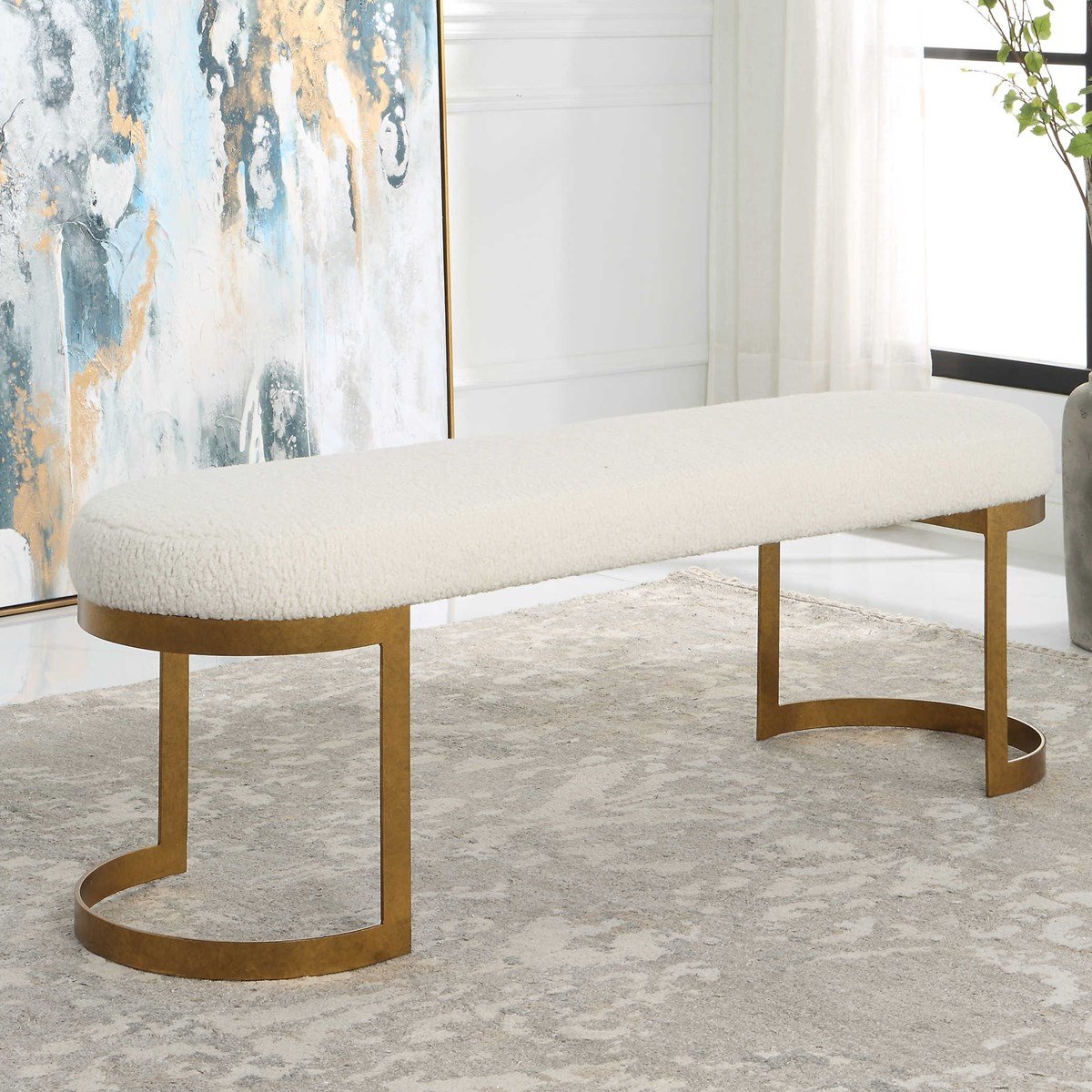
The “Project Chair” Problem: Everyone Loves the Sample… Until It Hits Real Traffic
Let me paint the scene.
Your client (or your retail team) falls in love with a chair. The sample looks clean. The lines are right. You can already see it on the floor, in the render, in the lobby photo.
Then the chair meets real life: espresso spills, belt buckles, toddlers, suitcase corners, and that one guest who leans back like it’s a gym exercise.
And suddenly, you’re not sourcing a chair. You’re managing a risk portfolio.
That’s why, for contract and hospitality, the best upholstered chair supplier isn’t the one with the prettiest catalog. It’s the one who can prove—calmly, clearly, with receipts—that the chair will still look good after months of heavy use, and that reorder #2 won’t come in “kinda similar.”
What’s different about contract/hospitality chairs (and why buyers get burned)
In residential retail, a chair can be a vibe.
In hospitality and commercial dining chairs, a chair is basically a tool:
-
It has to clean fast (housekeeping can’t babysit your fabric).
-
It has to wear evenly (no shiny seat-pan “polish” after 6 weeks).
-
It has to stay stable (wobble becomes a liability, not a complaint).
-
It has to reorder cleanly (projects expand, properties replicate, chains roll out).
And 2026 style direction is not making this easier—design is leaning hard into texture (bouclé, plush weaves, chenilles, subtle geometry), which looks amazing… and can also magnify QC and cleaning issues if the supplier isn’t disciplined.
The buyer’s contract checklist (the one I wish everyone used)
If you’re buying restaurant upholstered chairs or specifying seating for hotels, here’s the checklist that actually matters.
1) Cleanability that’s designed-in, not promised
A lot of “performance” claims are marketing. Ask for the mechanism:
-
stain/spill resistance
-
moisture barrier for cushions
-
easy-clean guidance that doesn’t read like a legal disclaimer
Commercial performance fabrics often spell out these properties clearly—stain/spill resistance, moisture barrier, and durability for high traffic.
2) Durability language buyers can audit
Ask for:
-
Wyzenbeek or Martindale rub test info (and don’t accept “it’s durable”)
-
what fabric category they recommend for dining vs lounge
Wyzenbeek (US) and Martindale (UK) are common durability tests buyers can use to compare upholstery options.
3) Fire/smolder compliance awareness (US buyers especially)
If your products touch the US market, your supplier should be able to discuss TB 117-2013 without getting weird about it—what materials are tested, and how they support documentation.
TB 117-2013 is designed to address smolder resistance of materials used in upholstered furniture, and the CPSC adopted the California standard as a federal flammability standard (effective June 25, 2021).
4) Packaging that’s built for abuse
Contract chairs fail in transit more than people admit:
-
leg punctures
-
corner crush
-
abrasion from poor inner wrap
-
cartons sized “tight” to save money… and spike damage rates
Ask: “Show me how you protect corners and legs. And what changed after your last damage spike?”
Here’s the sneaky one: comfort drift kills reorders
Even if the chair survives, if the seat comfort changes across batches, you’ll get hit with:
-
“This isn’t the chair we approved.”
-
“Guest feedback changed.”
-
“The chain standard is broken.”
So ask for a comfort spec in plain terms:
-
foam density / feel target
-
seat deck construction
-
how they control consistency across production
If they can’t explain it simply, you’re gambling.
Where Teruier plays offense: chairs as “SKU systems,” not one-off products
This is exactly why Teruier leans into the Teruier’s multinational design and manufacturing collaborative model.
We treat upholstered seating like a repeatable SKU program: trend translation + spec discipline + reorder stability.
And the part most suppliers can’t copy? Our base is rooted in a craft hub mindset—linked to Fuzhou’s historical craft culture—and supported by three supply chains we actively coordinate:
- Artisans: Making details “like design,” not “like manufacturing.”
- Materials: Fabrics/colors/feel don’t drift, ensuring more consistent batches.
- Process: The “invisible skills” of sewing, edging, structure, and packaging determine the rework rate.
So when a buyer says, “I need this chair to survive real traffic and still reorder clean,”We don’t understand a single requirement, but rather a complete set of executable system goals.。
Copy/paste: the 9 questions that expose a real contract seating supplier
Use this script on your next call with any contract seating supplier:
-
What’s your recommended fabric spec for commercial dining chairs (and why)?
-
Show me Wyzenbeek/Martindale guidance for that fabric category.
-
What’s your cleaning protocol for spills—what can’t we use?
-
How do you prevent shade variation across fabric lots on reorders?
-
What are your top 3 recurring defects, and what did you change last quarter?
-
How do you test wobble/level—what’s your acceptance standard?
-
How do you package legs/corners to reduce transit damage?
-
If we reorder in 120 days, what controls ensure it matches the original spec?
-
What compliance documentation can you provide for US shipments (TB 117-2013 awareness)?
A supplier who answers these cleanly is usually a supplier you can scale with.
The buyer takeaway: in 2026, texture is hot—systems are hotter
Yes, textured upholstery is everywhere right now, and it looks premium when executed well.
But in contract/hospitality, the winners aren’t the “boldest samples.” They’re the programs that stay stable under traffic, cleaning, and reorders.



