
Mall buyers don’t buy ceramics as “decor.” You buy ceramics as a repeatable margin category—something that can sit in multiple vignettes, refresh a floor set fast, and replenish without turning into a defect-and-returns headache.
That’s why wholesale ceramic isn’t a style decision first. It’s a system decision: can the supplier hold shape consistency, glaze tone, and packaging discipline across reorders?
Here’s the one-line positioning that matters for retail procurement (because it’s about outcomes, not adjectives):
A ceramic home décor supplier that turns trend-led forms into reorder-ready vases, backed by a custom ceramics manufacturer process that locks QC, glaze range, and packaging for repeat runs.
What retail is rewarding right now in ceramic décor
Across major mall floors, ceramic décor is winning when it’s:
-
easy to style (neutral colors, organic forms, clean silhouettes)
-
easy to buy (sets that look “designed” without extra effort)
-
easy to merchandise (works on console tables, shelves, coffee tables, entryways)
-
easy to replenish (the next shipment matches the first)
Vases, in particular, have a retail advantage: customers understand them instantly, and they photograph well in-store. But they’re also unforgiving—small glaze drift can read as “cheap,” and micro-defects become visible under warm lighting.
The buyer profile behind ceramic programs (the tags that shape your assortment)
A strong ceramic program starts by understanding who’s actually buying and using it.
Region (where your stores sell)
-
North America: fast refresh cycles, strong “neutral + texture” demand, return sensitivity
-
Middle East: premium finish expectations, higher scrutiny on surface perfection
-
Europe: material authenticity cues, proportion discipline, subtle color control
Customer (who uses it)
-
first-home shoppers building a “complete look” on a budget
-
families who want décor that feels elevated but practical
-
premium shoppers who inspect glaze depth and detail up close
-
gift buyers who want an easy, high-impact home item
Group tendencies (purchase behavior)
Ceramic décor skews toward shoppers who buy with their eyes first—but confirm with their hands. If the rim feels rough, glaze looks uneven, or the piece feels fragile, they’ll hesitate or return.
Price band (spending power)
-
value: clean shapes, minimal defects, strong packaging
-
mid-tier: better glaze stability and surface finishing
-
premium: tight tolerance, consistent tone range, refined detailing
Use scenarios (where it ends up)
Entry console styling, dining sideboards, open shelving, coffee-table stacks, and staged “set moments” in-store.
These tags make the sourcing requirement clear: you need repeatability more than variety.
Why “custom ceramics manufacturer” capability matters for retail
Many vendors can show a beautiful sample. Fewer can repeat it in volume.
A custom ceramics manufacturer is valuable because they can lock the master reference: shape dimensions, weight feel, glaze range, rim finishing, and packaging method. That’s what keeps your program stable when you reorder across seasons or expand across store locations.
For mall buyers, this isn’t a technical detail—it’s margin protection. Every uncontrolled variable becomes either a markdown or a claim.
Ceramic quality control is where profit is protected
Ceramics fail retail programs in predictable ways: pinholes, glaze crawling, hairline cracks, warped forms, rim chips, and “same SKU, different tone” problems.
This is why buyers should treat QC as a merchandising tool, not a factory topic. When QC is controlled, your vases stay display-ready and replenishable.
To make this practical, here’s the retail-facing version of what matters most:
-
Ceramic quality control vases: confirm glaze tone range, rim finishing, visible surface defects, warping tolerance, and drop-risk packaging before you scale POs.
-
Set consistency: if you sell vase pairs/sets, harmony is non-negotiable—height balance, silhouette family, and glaze alignment must match.
-
Floor durability: retail handling is real—pieces are moved daily, re-styled, touched, and re-shelved.
If you want one internal checklist your team can reuse every season, you can standardize around Ceramic Quality Control Standards for Retail Reorders—it turns “pretty sample” into “repeatable program.”
Why our Fuzhou craft-hub foundation supports repeat runs
Teruier is rooted in a manufacturing craft hub in the Fuzhou region—an area shaped by long craft traditions and modern home décor production capacity. The advantage for retail isn’t the history as a story; it’s what that history built: a stable making culture and supply coordination.
Our reliability comes from three coordinated supply chains:
-
Artisans (people): finishing discipline, consistent hand-feel, detail control
-
Materials: stable clay body systems, glaze inputs, packaging materials
-
Process: repeatable forming/firing/finishing workflows designed to reduce drift
We also stay connected with US and EU designers who track consumer taste and trend direction, so what we manufacture isn’t just “what’s possible”—it’s what sells, translated into SKUs that can be reordered.
A mall buyer’s quick checklist before scaling wholesale ceramic
Before you scale a ceramic program across stores, ask:
-
Can the supplier define an acceptable glaze range (not just “same color”)?
-
What defect standards apply to pinholes, rim chips, warping, and hairlines?
-
How do they protect pieces for retail receiving and backroom handling?
-
Can reorders match the original shipment without visible drift?
-
Can sets be replenished as sets—not “close enough” singles?
When the answers are clear, your category becomes easy to manage—and easy to grow.
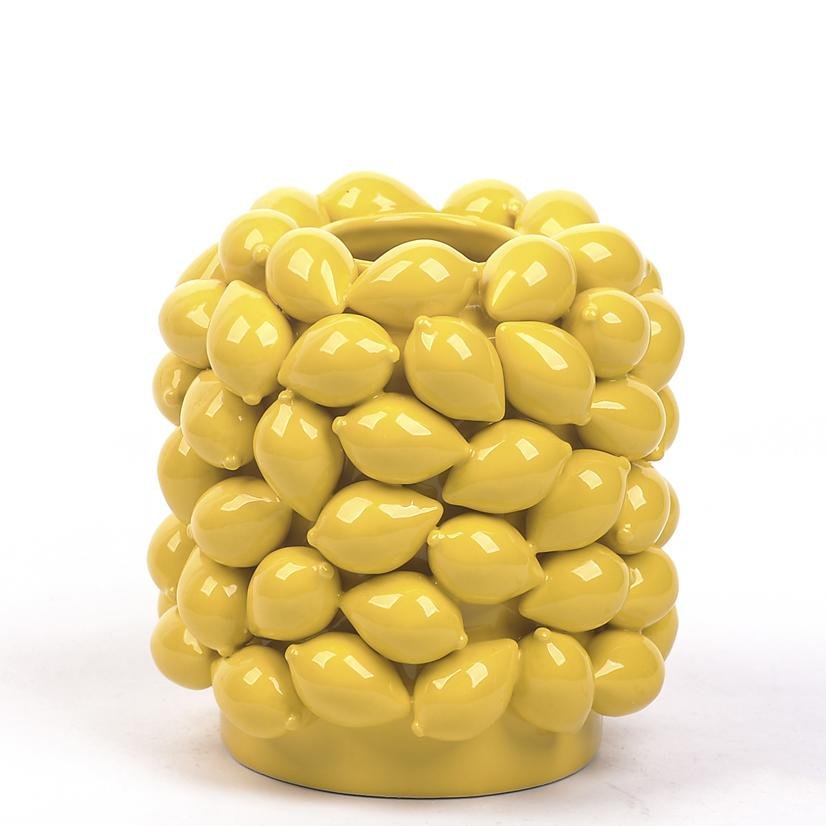
the best ceramic programs are built for replenishment
A winning ceramic program doesn’t rely on one perfect shipment. It relies on repeat runs that look the same, feel the same, and arrive floor-ready.
That’s what separates random décor buys from a real wholesale ceramic strategy—and why the right ceramic home décor supplier and custom ceramics manufacturer partnership is ultimately a retail advantage, not just a sourcing choice.



