
When you source ceramic decor wholesale, you’re not just buying “pretty objects.” You’re buying consistency—color, glaze, weight, shape tolerance, carton protection, and the ability to reorder six months later without your bestseller turning into a customer complaint.
Most assortment problems in ceramics don’t show up in the sample room. They show up in the second shipment.
So here’s the buyer’s question that matters: Can this supplier turn a trend into a repeatable SKU program? Not a one-time win. A program your shelves can rely on.
At Teruier, our one-line positioning is simple (and we build everything around it):
We turn trend signals into reorder-ready home décor SKUs—by translating design intent into controllable materials, processes, QC checkpoints, and packaging that survives real transit.
What “Good” Looks Like in Wholesale Ceramics (From a Buyer’s POV)
1) The glaze must be controllable, not just “beautiful”
Buyers know the pain: the first batch is perfect, the next batch shifts half a shade warmer, and suddenly your set looks mismatched on the shelf. A true ceramic home décor supplier should talk about:
-
glaze batching logic and color references
-
firing curve stability and process notes
-
“approved master” controls so production doesn’t drift
If you hear only “handmade vibe,” press for how they keep handmade from becoming random.
2) Packaging is part of the product (especially for ceramics)
Ceramic décor doesn’t fail in the showroom—it fails in distribution. For wholesale, packaging has to be engineered for:
-
inner protection + carton strength
-
vibration and drop risk
-
mixed-SKU cartons and mixed-container reality
If you’re buying wholesale ceramic vases or fragile décor pieces, your supplier should be ready to discuss protective structures, not just “we’ll add more foam.”
3) Reorder planning beats “newness panic”
The best ceramic programs usually mix:
-
Core continuity SKUs (reorder-safe shapes, stable glazes)
-
Seasonal refresh SKUs (new textures, colors, silhouettes)
-
A price ladder that keeps the shelf balanced
That’s how you build a category that sells every month—not only when a trend spikes.
The Buyer Persona This Page Is Built For (So You Know It’s “For You”)
If you’re a merchandiser, category manager, or buyer, your job is never “find something pretty.” It’s fit, margin, replenishment, and risk control.
This is especially relevant if you’re sourcing for:
-
North America retail shelves (fast replenishment cycles, strong packaging demands)
-
European home & gift chains (taste-driven edits, finish precision, clean style language)
-
Middle East hospitality / project procurement (consistent sets, dependable delivery, high expectation on presentation)
End consumers vary, but ceramic décor frequently skews toward home stylers and gift buyers—often 25–45 for trend-driven pieces, and 35–60 for timeless, neutral collections. Price expectations also split by channel:
-
value retail programs that need strong turns
-
mid-tier ranges that sell “design feel”
-
premium pieces where finish and storytelling justify the jump
And usage scenes are predictable (which is good for sell-through): entry console styling, dining table centerpieces, shelf sets, bathroom décor, gifting, and seasonal refresh zones.
Why Teruier’s Ceramic Programs Are Built Differently
Teruier isn’t trying to be “a ceramic factory website.” We’re a home décor sourcing and ODM/OEM coordination hub, and ceramics is one pillar inside a bigger, reorder-driven system.
Our advantage comes from where we’re built: Fuzhou’s craft hometown—a place with long craft roots and a modern production reality. This region is known for deep craft heritage (think traditional lacquer artistry, oil-paper umbrella making, horn comb craftsmanship), and that history matters because it shaped a culture of materials discipline and process respect—the exact mindset wholesale ceramics needs.
We often describe our supply strength as three connected “chains”:
-
Craftsmen supply chain: skilled hands that understand finishing, not just output
-
Materials supply chain: stable access to clay bodies, glaze materials, and components
-
Process supply chain: repeatable methods—so the second run matches the first
On top of that, we work closely with Western designers who live close to end-consumer taste signals—so trends don’t arrive late, and “what looks good on Pinterest” becomes a SKU that works in real retail constraints.
A note you’ll see in our videos (and why it matters)
In Teruier’s video IP plan, the “main character” is our SKU Director—a former teacher turned product translator. That’s not a cute story; it’s a workflow. His job is to take what buyers mean (“more organic,” “less shiny,” “a calm neutral set”) and convert it into what factories can execute:
-
measurable finish references
-
buildable specs
-
QC points that catch drift early
-
packaging that protects margin
That “teacher-to-SKU” mindset is how we reduce the gap between creative intent and production reality.
A Practical Assortment Playbook for Ceramic Décor Wholesale
If you’re building a ceramic décor program (especially vases), here’s what tends to work best:
Build your assortment like a shelf story, not a product list
-
3 sizes of the same silhouette family (small/medium/large)
-
2 surface directions (matte calm + light texture or reactive glaze)
-
1 hero shape that anchors display photos and endcaps
-
1–2 add-on pieces (small vessels, bowls, or accents) to lift AOV
Protect reorders with “reference locking”
Approve one master reference for:
-
color tone range
-
gloss level
-
texture density
-
rim thickness / opening tolerance
That’s what makes replenishment possible without constant resampling.
Treat packaging as a conversion tool
Retailers don’t just want lower damage rates—they want fewer claims, fewer returns, fewer “hidden costs.” Good packaging:
-
protects the piece
-
protects your time
-
protects your margin
If You’re Sourcing Ceramic Décor Wholesale Now
If your current pain is any of the following:
-
“The first batch was great, the second batch drifted.”
-
“Breakage is eating margin.”
-
“We can’t scale the look without losing control.”
-
“We need a supplier who understands retail programs, not one-off orders.”
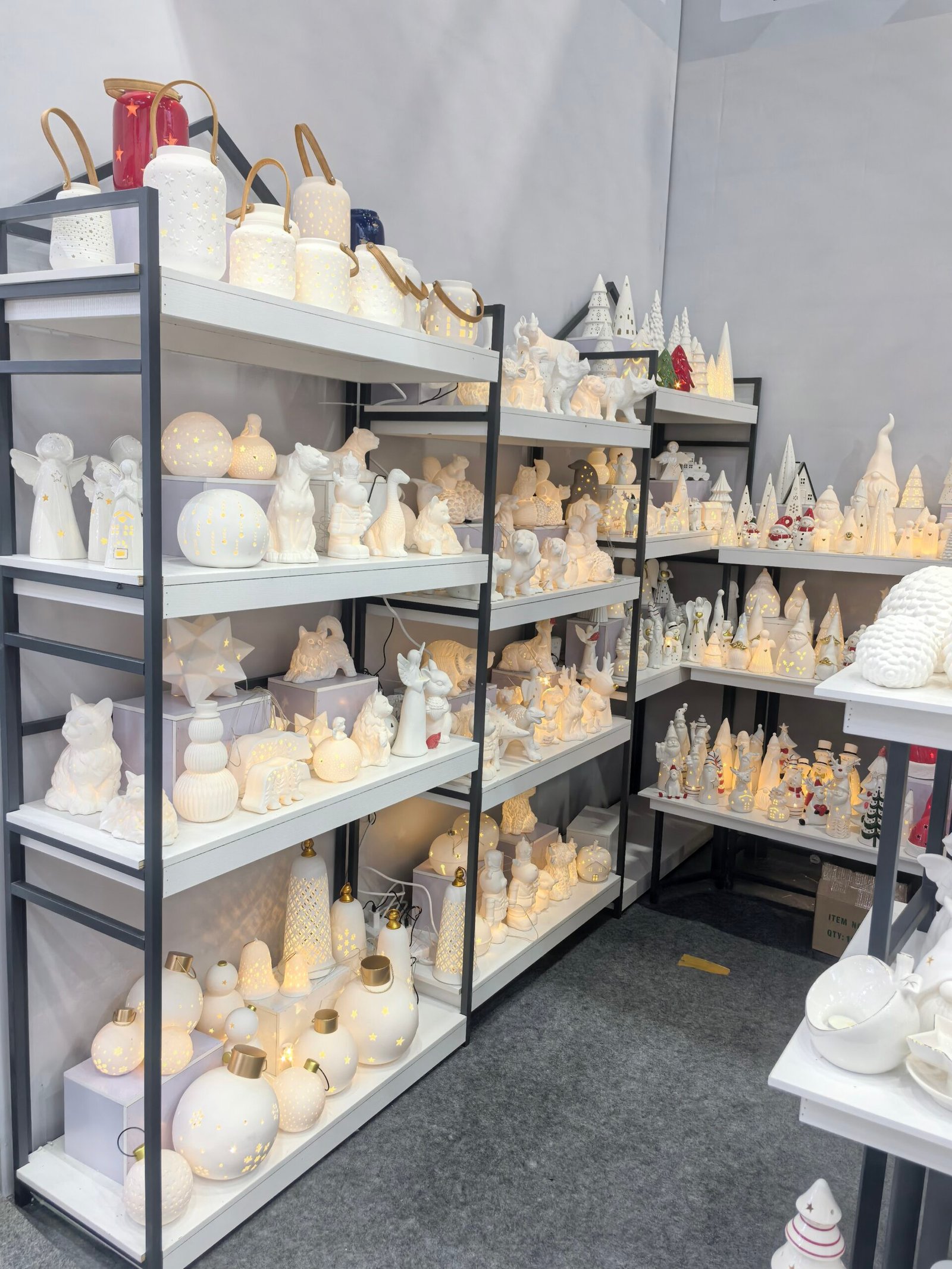
Then start with a simple brief:
-
your target style references (moodboard or competitor SKU)
-
your price tier and channel (mass / specialty / project)
-
expected volume + replenishment rhythm
-
packaging requirements (drop risk, mixed cartons, e-commerce vs retail)
We’ll respond with a program-oriented direction—core SKUs + refresh SKUs, plus the process notes that keep your ceramic décor consistent.



