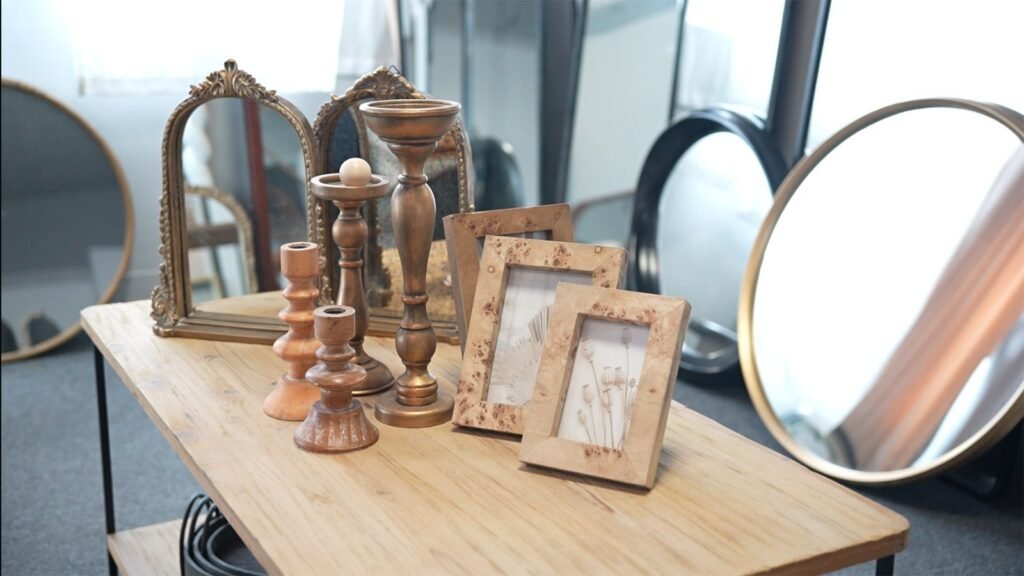
KSA Hospitality Mirror Supply That Actually Works on Site
Because in hospitality fit-out, the mirror isn’t “just décor”—it’s a finish-risk item.
In Saudi Arabia, hospitality projects move fast—and expectations are high. A lobby mirror isn’t only part of the design story; it’s part of the guest’s first impression. A bathroom mirror isn’t only a functional item; it’s one of the most photographed, most inspected, most complained-about finishes in the room.
That’s why KSA hospitality mirror supply needs a different mindset than “pick a nice mirror and order it.” What you really need is a controlled mirror collection program—one that starts with reliable mirror samples, stays consistent through phased deliveries, and installs clean with minimal snag-list drama.
A simple line that describes the right kind of partner is:
Design-led mirror programs, built to hand over.
Hospitality Fit-Out Reality in KSA: Design Intent Meets Handover Pressure
If you’re an engineering manager or a designer, you’re balancing the same triangle on every project:
-
Design: the mirror must match the concept—scale, finish tone, and light behavior
-
Site: mounting, protection, and replacement speed must be practical
-
Schedule: phased delivery is the norm, not the exception
In hospitality fit-out, mirrors fail in predictable ways: edge chips, finish drift, uneven reflection, and packaging damage. Even when the mirror is “technically okay,” it can still look wrong under hotel lighting—which makes it a rework problem.
So your sourcing goal isn’t “best mirror.” Your goal is lowest finish risk.
Why “Mirror Collection” Beats One-Off Buying for Hospitality
Hotels don’t need one mirror. They need a family of mirrors that feel intentional together:
-
Lobby / reception statement pieces
-
Corridor and public area repeats
-
Guest bathroom mirrors (standard, premium, accessible variants)
-
Suite feature mirrors (oversize, special finish, or lighting)
That’s what a mirror collection is in real project terms: a coordinated set with controlled finishes, controlled specs, and controlled packaging—so the hotel feels cohesive, not patched.
When your mirror collection is set up properly, it becomes easier for both teams:
-
Designers get consistency and a clear aesthetic language
-
Engineers get repeatability, faster approvals, and cleaner installation
Mirror Samples: Where Most Projects Lose Time (or Lose Control)
Every fit-out team knows the pain: the sample looks great… then bulk doesn’t match, or approvals drag because details weren’t locked early.
A good mirror samples process is not “send one sample and hope.” It’s a structured flow:
-
Sample 1: confirm scale + silhouette + finish family (not final perfection)
-
Sample 2: lock finish reference + edge detail + mounting logic
-
Golden sample: becomes the “master” reference for production and QC
-
Packaging sample: tested like real logistics (not showroom handling)
This is how you avoid the common KSA fit-out problem: Phase 1 looks premium, Phase 2 looks “close enough,” Phase 3 becomes a mismatch.
If you want consistency, treat the sample like a contract.
Choosing a Design-Driven Mirror Manufacturer (What Engineers and Designers Should Ask For)
A design-driven mirror manufacturer should do more than offer trendy shapes. They should be able to translate design intent into repeatable bulk—without quality drift.
For hospitality fit-out, the most useful questions sound like this:
-
Finish control: How do you keep the same gold/bronze tone across batches?
-
Spec discipline: Are mounting points, tolerances, and back structure locked?
-
QC checkpoints: Where do you inspect so defects don’t reach site?
-
Packaging: What’s your breakage prevention method for corners and edges?
-
Replacement speed: If site needs extras, how fast can you match the same finish?
When a manufacturer can answer these clearly, you’re not just buying mirrors—you’re buying stability.
The People Behind the Decision: Who This Mirror Is Really For
In KSA hospitality, the “user” is broader than you think:
-
Region: Saudi Arabia / GCC—high expectation for premium finishing
-
Customers: hotel owners/operators, fit-out contractors, and the guest experience team
-
End users: business travelers, families, and high-frequency room turnover—meaning mirrors get cleaned hard and used constantly
-
Price band: typically “affordable premium” to premium—looks must read high-end, defects are not tolerated
-
Use scenarios: lobby photo moments, bathroom daily routine, suite styling, corridor reflection points, and lighting-driven spaces
That’s why the sourcing standard is simple: it must look premium under real lighting, not only in a render.
Where Teruier Fits Naturally: Craft-Hub Discipline + Western Design Language
Teruier’s approach fits hospitality fit-out because it treats mirrors as a program: stable finishes, consistent specs, and packaging built for real handling—so bulk matches the approved sample and stays consistent through phased delivery.
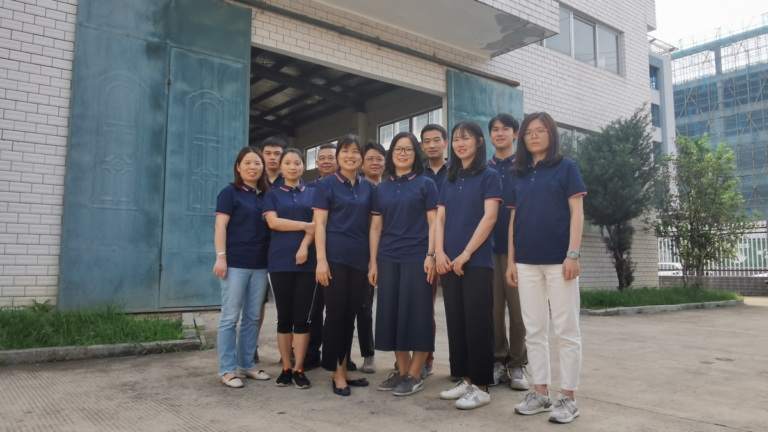
That reliability is grounded in a Fuzhou-area craft hub (工艺品之乡), supported by three mature supply chains working together—craftsmen, materials, process—which matters a lot when you’re controlling finish consistency and repeatable production. Add European/American designer collaboration, and the output stays aligned with international taste while staying manufacturable at scale.
And the region’s craft heritage (often associated with bodiless lacquerware, oil-paper umbrellas, and horn combs) shows up in the details hospitality projects care about: clean edges, controlled surfaces, and finishing discipline.
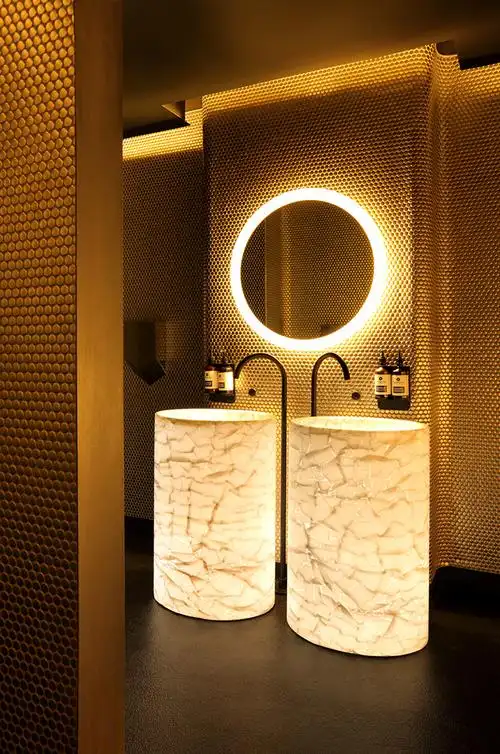
The KSA Fit-Out Mirror Checklist
If you want fewer claims and smoother handover, keep your mirror program simple:
-
build a coherent mirror collection, not random one-offs
-
run mirror samples like a controlled approval system
-
choose a design-driven mirror manufacturer who can keep finish and specs stable
-
treat KSA hospitality mirror supply as phased program delivery—not one shipment
That’s how mirrors stop being a “finish risk” item—and become one of the easiest wins in the whole hospitality fit-out.