
Plastic-Free Packaging That Still Protects the Product
Because “sustainable” only works if it arrives intact.
If you’re a retail buyer or a designer building a home décor program, packaging is no longer a background decision. Customers notice it. Retail standards increasingly demand it. And your margin feels it—especially when damage, returns, and re-shipments creep up.
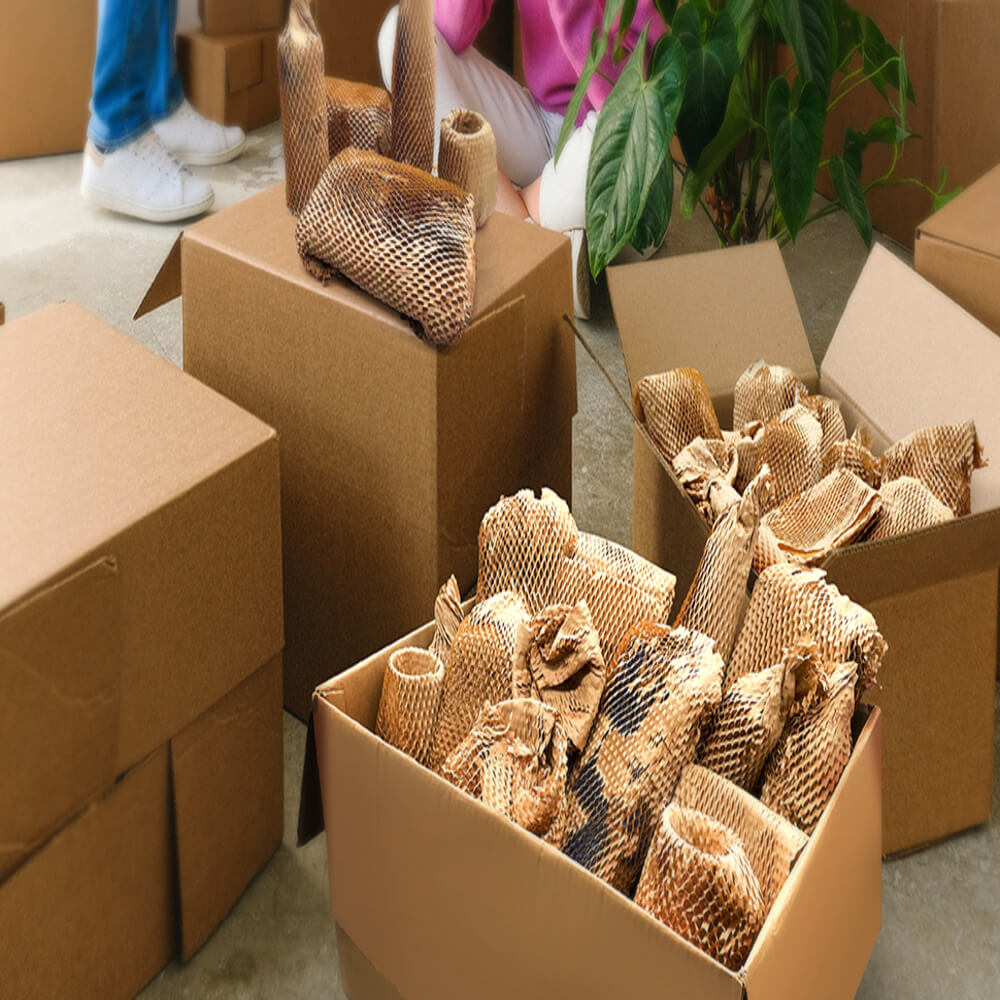
The challenge is simple: plastic free packaging often sounds good on paper, but the real world is rough—containers, cross-docking, last-mile handling, store backrooms, and customer unboxing. So the best programs don’t just switch materials. They redesign the entire protective system using custom packaging, performance-driven eco packaging, and scalable sustainable packaging methods like honeycomb paper packaging.
A clean, natural positioning line that matches how buyers evaluate suppliers:
Teruier helps retail teams go plastic-free without going damage-prone—by building packaging from first-line craft-hub production reality, not theory.
What “Good” Looks Like for Your Shopper (and Why Packaging Is Part of Design)
Most mass retail home décor programs are built for a predictable end user:
-
Region: North America + EU-influenced style markets (with global spillover)
-
Customer: everyday home upgraders, gift buyers, renters styling small spaces, first-home couples
-
Group tendency: purchase influence often clusters around 25–44 decision-makers, but packaging must feel neutral, premium, and easy—not “eco-lecturing”
-
Price band: smart value to affordable premium (they’ll pay for a better experience, then punish damage fast)
-
Use scenarios: entryway refresh, living room focal corner, bathroom upgrades, holiday hosting, quick “weekend reset” purchases
For this shopper, packaging isn’t just protection. It’s trust. If the carton arrives crushed or the product looks scuffed, you lose the review before they even use the item.
Why Honeycomb Paper Packaging Is Becoming the Retail Default (When Done Right)
Honeycomb paper packaging is one of the most practical tools in modern sustainable packaging because it can replace foam and plastic buffers in a way that’s actually scalable.
Where it shines:
-
absorbs impact across wide surfaces (great for décor panels, mirrors, framed items)
-
reduces corner hits when paired with paper corner structures
-
gives a “premium unboxing” feel without plastic
-
can be standardized across SKUs, which buyers love
Where teams get it wrong:
-
honeycomb used as “filler,” not as a designed structure
-
insufficient corner and edge protection (the highest-risk zones)
-
inner pack not locked—product shifts inside carton and self-damages
The winning move is not “use honeycomb.” It’s design a system: immobilize the product, protect edges, and keep paper protection consistent batch-to-batch.
A buyer-friendly internal label that signals maturity:
plastic-free by design, not by compromise.
Custom Packaging: The Shortcut to Lower Returns (and Cleaner Reorders)
Retailers often treat packaging as a cost line. But custom packaging is actually a margin lever—because it determines damage rate, repack labor, and customer satisfaction.
In practice, custom packaging should be built around:
-
product weak points (corners, rims, handles, protruding details)
-
finish sensitivity (matte coatings, metallic leaf, glazed ceramics)
-
handling reality (drop risks, compression, vibration, humidity)
-
merchandising needs (barcode placement, easy opening, neat repack)
For buyers, the goal is simple: fewer claims.
For designers, it’s equally important: the product should look exactly like the approved sample after shipping.
A line that reads like capability, not marketing:
ship-safe packaging that protects the finish, not just the form.
Eco Packaging That Doesn’t Look “Cheap”
Some eco transitions fail because the packaging looks downgraded. That’s a real risk in home décor, where perceived value is everything.
Better eco packaging tends to share a few traits:
-
clean structure (less messy filler)
-
intentional paper textures (not flimsy sheets)
-
clear unboxing sequence (open → lift → reveal, not struggle)
-
paper-based protection that feels engineered, not improvised
When the unboxing feels premium, sustainability becomes an upgrade—not a sacrifice.
Sustainable Packaging That Retail Teams Can Manage Like a Program
For supermarket buyers, the practical problem isn’t making one item sustainable. It’s making a whole assortment consistent across multiple suppliers and reorders.
That’s why the best sustainable packaging programs treat packaging like a spec:
-
defined paper grades and thicknesses
-
defined honeycomb structure and placement
-
defined corner/edge rules
-
defined inner lock method (no shifting)
-
defined carton markings and handling cues
This turns “eco intent” into repeatable execution.
Where Teruier Fits Naturally: Craft-Hub Discipline + Retail Packaging Control
Teruier’s packaging advantage comes from being embedded in a Fuzhou-area craft hub (Hometown of handicrafts), where three mature supply chains work together—craftsmen, materials, process. That ecosystem matters because packaging isn’t separate from manufacturing: surface finishing, edge strength, assembly methods, and pack design must match.
Combine that with ongoing collaboration with European/American designers, and you get packaging that protects not only the product, but also the intended look-and-feel—so the customer experience stays premium even when the materials shift away from plastic.
A short phrase that fits naturally in a retail conversation:
eco packaging, retail-proofed.
The Real Standard for Plastic-Free Packaging
For buyers and designers, the best packaging choice is the one that meets both goals:
plastic free packaging + custom packaging performance + eco packaging aesthetics + honeycomb paper packaging structure
Because sustainability only scales when it protects the product, protects the finish, and protects your margin—shipment after shipment, reorder after reorder.



