
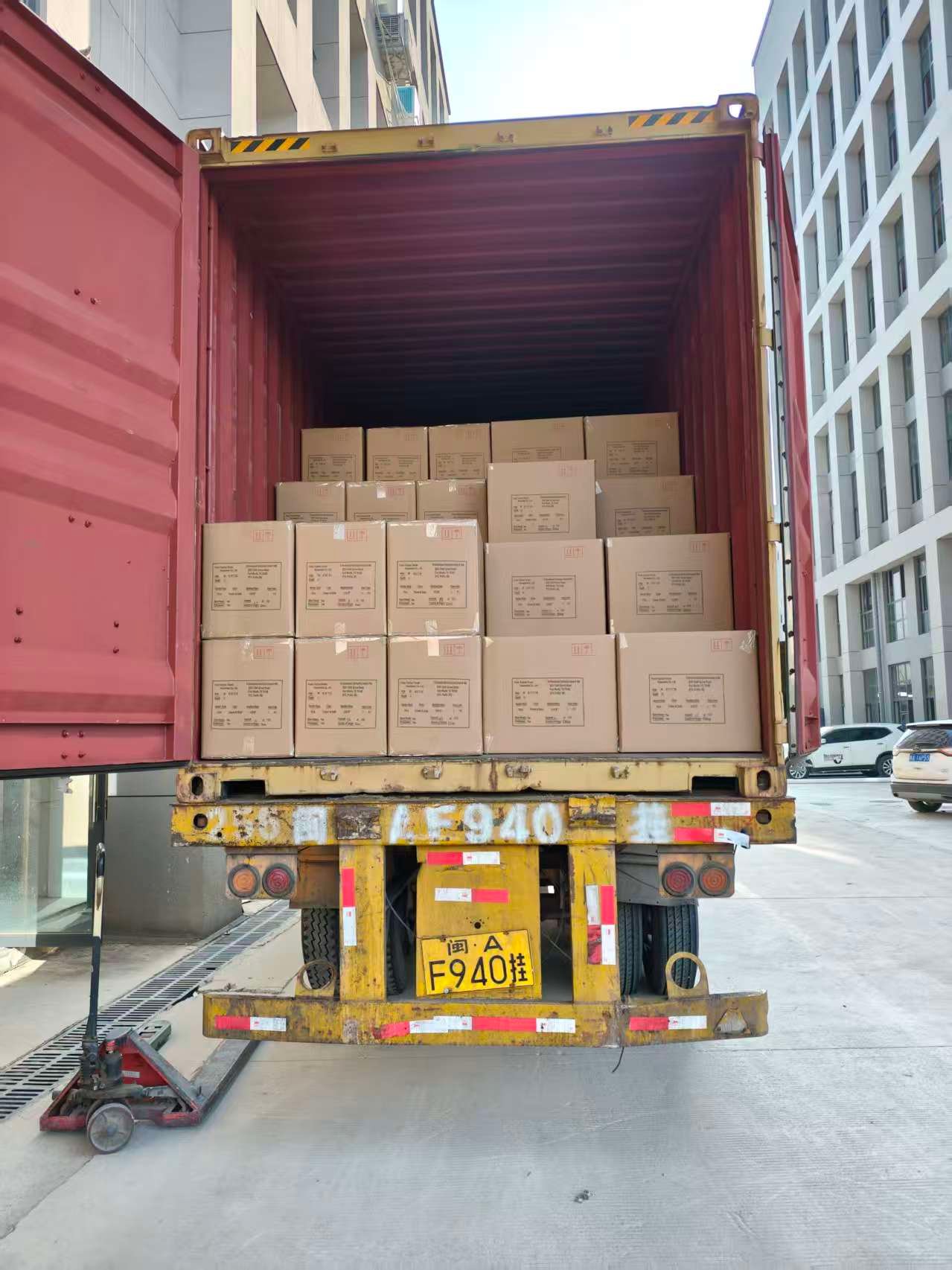
The Container Photo That Buyers Don’t See (But Your Margin Feels)
That photo—boxes stacked inside an export container—looks simple. But for wholesale mirrors and LED bathroom mirrors, “simple loading” is where most hidden costs start: breakage, rework, delays, missing labels, wrong cartons, or the classic nightmare—arriving fine, then failing in last-mile delivery because packaging wasn’t built for your sales channel.
At Teruier, we treat container loading as the final exam of the whole supply chain. Not just “ship product,” but ship your profit.
Before Loading: “Value Translation” Is the Real Service
Most buyers think they’re buying bulk mirrors. What they’re actually buying is: fewer returns, faster sell-through, higher reviews, smoother installation, and predictable lead times.
So before a single carton goes into a container, we do one job that changes everything:
We translate your market into factory language
Different customers mean different “profit rules”:
-
Amazon / eCommerce sellers: packaging drop resistance, scannable labels, barcode placement, low damage rate = fewer refunds.
-
Hospitality fit-out / contractors: consistency, installation tolerance, wiring standards, documentation, timeline reliability.
-
Hardware wholesalers: stable cost, fast replenishment, carton strength, easier warehouse handling, clean SKU system.
This is the “value translation ability”: turning your channel requirements into a clear spec + packaging + QC plan—so the factory doesn’t guess, and you don’t pay for mistakes later.
And this is where Teruier’s model quietly shows up: we’re not just a mirror supplier; we’re the “translator” connecting overseas demand → design intent → manufacturing details → packing + shipping execution.
The Pre-Loading Checklist That Saves You Money
Here’s what we lock down before loading custom mirrors or standard SKUs:
A) Product & QC lock
-
Size, glass thickness, edge safety, frame finish confirmation
-
LED function test (if applicable): brightness, CCT, defog, sensor, dimming
-
Visual inspection under proper lighting: scratches, coating consistency, corner integrity
-
AQL-style sampling + “known risk points” checks (the stuff that causes returns)
B) Packaging built for your channel (not just “looks strong”)
For LED bathroom mirrors, packaging is the difference between profit and pain:
-
Corner protection design (corner is where mirrors lose 80% of fights)
-
Inner cushioning density and placement
-
Moisture protection (especially for ocean freight / humid routes)
-
Carton compression strength (stacking pressure in container + warehouse)
-
Drop-test logic aligned with your distribution path
C) Carton labeling that prevents warehouse chaos
-
SKU, model, quantity, gross/net weight, carton dimensions
-
“This side up / fragile / handle with care” markings
-
Barcodes where scanners can actually read them (sounds basic; it’s not)
-
Packing list logic that matches how your team receives and sells
This is unsexy work. But it’s what makes wholesale mirrors scale.
During Loading: We’re Not Just Filling Space—We’re Controlling Risk
Container loading is part geometry, part physics, part “what can go wrong.”
What we do during loading (and why it matters)
-
Load plan: stacking strategy based on weight, carton strength, and unloading sequence
-
Weight distribution: reduce shifting during transit (shifting = hidden breakage)
-
Void control: using proper dunnage/airbags where needed to prevent movement
-
Photographic documentation: before/after + key steps (helps claims, helps trust)
-
Seal & count confirmation: carton count, container seal, and handover records
If you sell bulk mirrors, you already know: one broken corner in a batch can turn into a bad review wave, then into ad cost increases, then into “why is my conversion dropping.”
Loading is where we stop that chain reaction.
After Loading: The Service Most Factories Forget
Once the container door closes, many suppliers mentally “close the project.” That’s where buyers start suffering.
What you should expect after shipment
-
Clean documentation set: packing list, invoice, carton spec, photos, seal number
-
Tracking updates and milestone notifications
-
Fast response when the forwarder asks for adjustments
-
After-sales readiness: quick identification if any carton is damaged, and what the solution path is
This is also where Teruier’s advantage shows: we’re built inside a production ecosystem that understands export realities, not just manufacturing.
Why Teruier Can Do This Consistently: The Craft Hub Advantage
Teruier’s roots matter here.
We come out of Fuzhou’s craft and manufacturing base—the kind of place where “craft” isn’t a marketing word, it’s a working system. Historically, Fuzhou is known for traditional craftsmanship (the region’s long craft culture shows up in how people treat surfaces, details, finishing, and consistency). Today, that craft foundation evolved into three reliable supply chains that support modern export manufacturing:
-
Craftsman supply chain: trained hands for finishing, assembly discipline, stable output
-
Material supply chain: glass, frames, coatings, hardware—fast sourcing and consistent grading
-
Process supply chain: standardized production steps + QC checkpoints that make large orders repeatable
On top of that, we work with US/EU designers and market-facing feedback loops, so “design intent” doesn’t get lost between mood boards and factory execution. That’s how custom mirrors stay “custom,” but still manufacturable and scalable.
In short: Teruier doesn’t win by talking. We win by making the boring parts (spec translation + packing + loading + documentation) unusually dependable.
A Simple Profit Lens (Use This With Any Mirror Supplier)
If you’re buying wholesale mirrors, ask your supplier these three questions:
-
“Before loading, how do you confirm my channel requirements are reflected in packaging and labels?”
-
“During loading, do you have a load plan + anti-shift protection + photo documentation?”
-
“After loading, who owns the follow-up—documents, tracking, and issue handling?”
If they can’t answer clearly, your margin will answer for them later.
Wrap-Up (And What’s Next)
That container photo is not just logistics—it’s the final stage of quality, risk control, and customer profit protection. For bulk mirrors and LED bathroom mirrors, the difference between “a supplier” and “a reliable mirror supplier” is whether they can translate value before loading, control risk during loading, and stay responsible after loading.
Next article (Series #2): the exact RFQ/spec list you should email to get a precise quote fast—especially for custom mirrors and project orders—so you stop paying for “unclear requirements.”



