A good Shenzhen home décor style review shouldn’t sound like a mood board. Retail teams don’t buy vibes—they buy SKU logic: what sells, what returns, and what can be produced consistently.
Here are six trend signals we consistently see in Shenzhen (especially at any meaningful home décor style show Shenzhen circuit), and how to translate them into “retail-ready” mirror decisions.
Signal 1: Frame profiles are getting slimmer—but need stronger packaging
Slim frames look premium, but they’re fragile. If you’re sourcing for KSA or US, you must pair slim frames with:
-
reinforced corners
-
compression-safe foam
-
strict carton sizing (no empty space)
Signal 2: “Warm metal” finishes win—until batch mismatch kills it
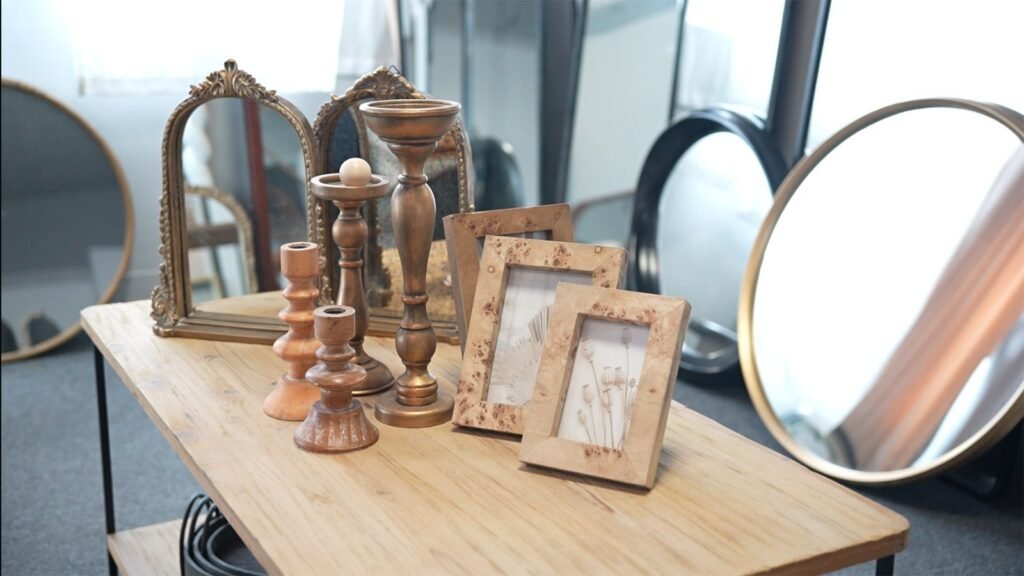
Gold/bronze finishes are back, but the real risk is color drift across batches.
Your action item: add finish tolerance photos and “approved sample reference” into your retail-ready spec pack.
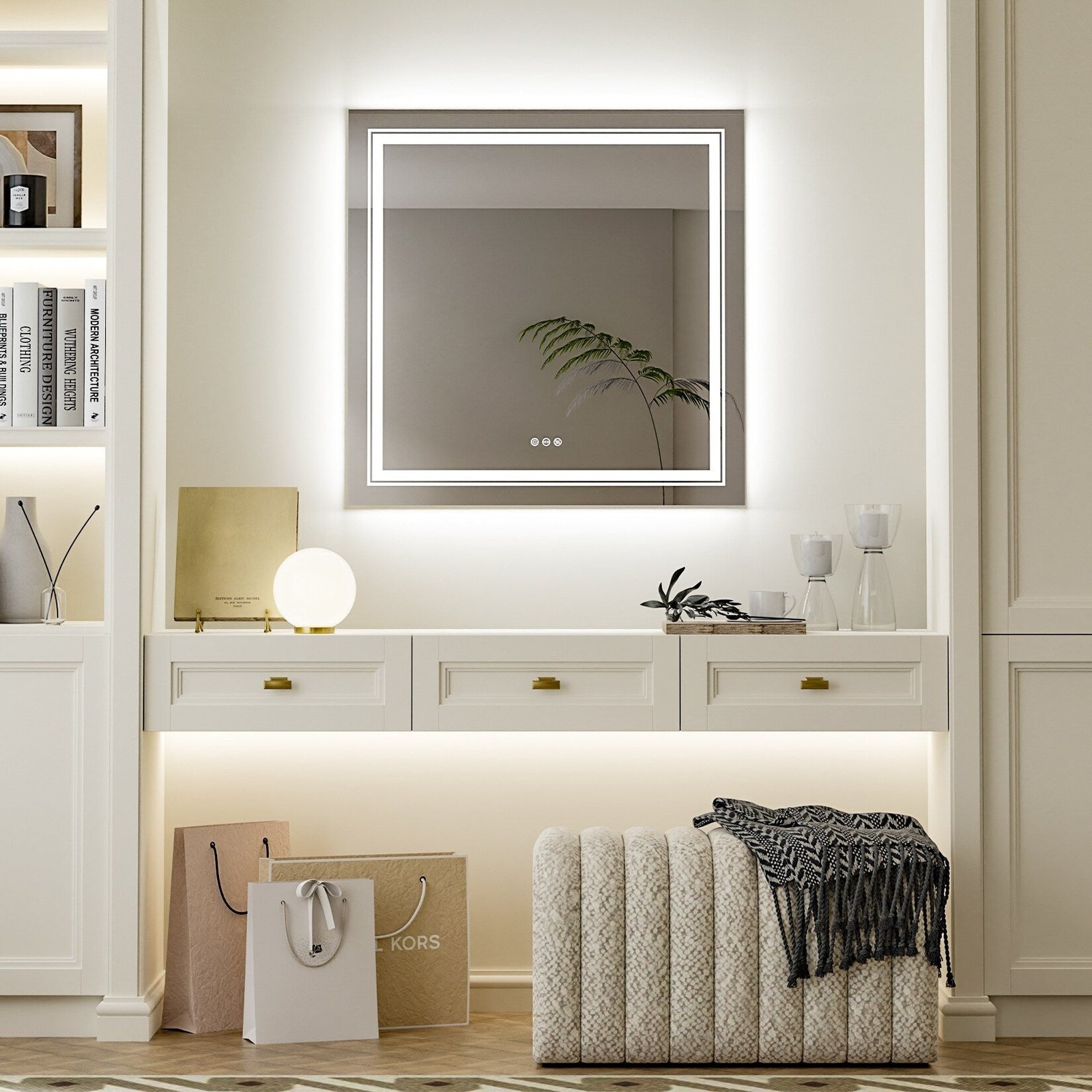
Signal 3: LED features are being sold as “experience,” not “spec”
What retail shoppers notice:
-
anti-fog speed
-
touch sensor feel
-
edge glow quality
So your design trend insights should include not only LED numbers, but “what the buyer feels in 3 seconds.”
Signal 4: Mixed-material accents (resin/wood/stone-look) are rising
This is where supplier capability matters. Mixed materials increase return risk unless:
-
bonding method is stable
-
humidity behavior is tested
-
packaging prevents rubbing/scuffing
Signal 5: Merchandising is becoming part of product design
Factories that stage samples well get picked faster.
If your sample staging and setup is messy, buyers assume your production will be messy too.
Signal 6: Designers are pushing “proportion rules” more than ornament
When we review inputs from European American designers, they often focus on:
-
mirror-to-frame ratio
-
depth and wall projection
-
visual weight vs. size
This is actually good news for manufacturing—because “proportion rules” are easier to standardize than complex ornament.
why we can translate trend → SKU
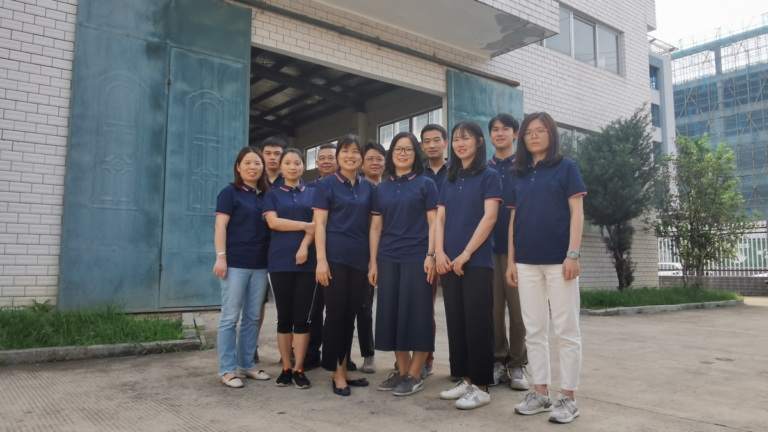
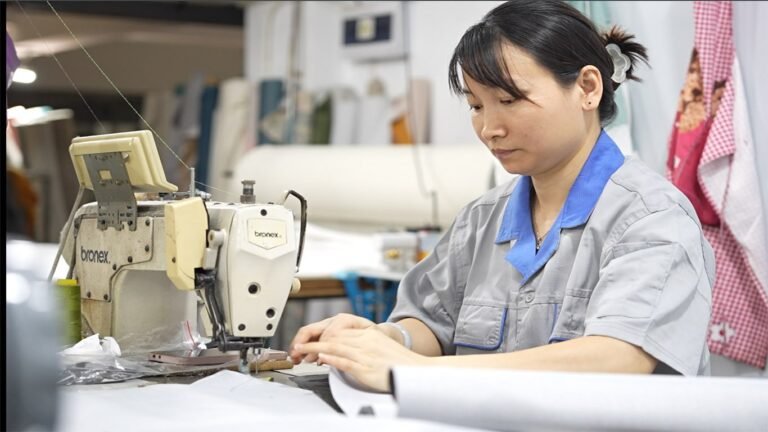
Trend talk is cheap. Translation is the skill. Teruier sits between international designers and Fuzhou’s craft hometown supply chain—meaning we can quickly test a finish, adjust a frame detail, and still keep production stable because the ecosystem includes materials supply + craftsman execution + technique know-how, not just one workshop. That’s how trends become reorder-safe SKUs.
Wrap-up + Next read
Trends matter only when they become SKUs that can ship, survive, and reorder.
Next: If you want a simple scoring system to judge factories, read “Supplier Readiness for Retail Review.”