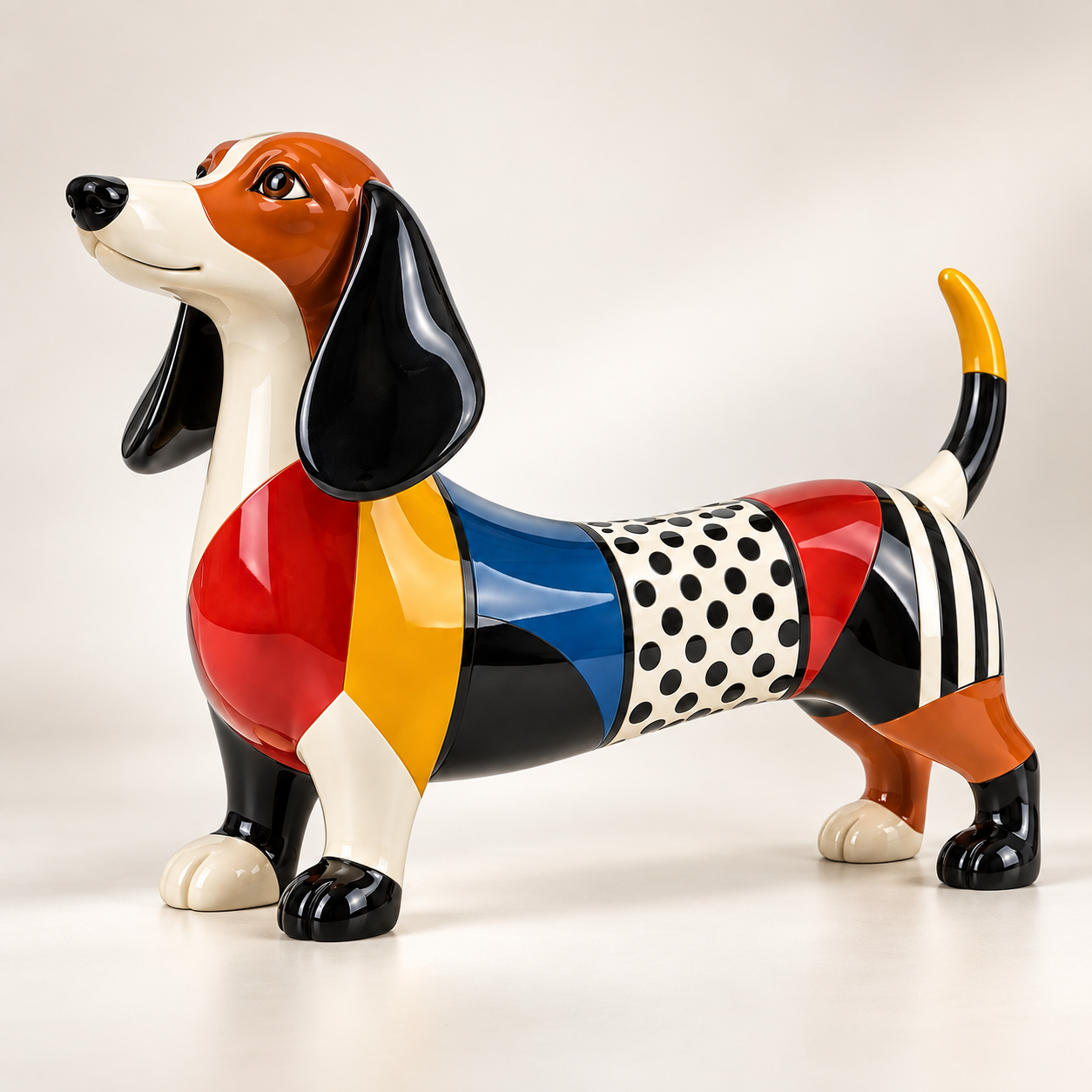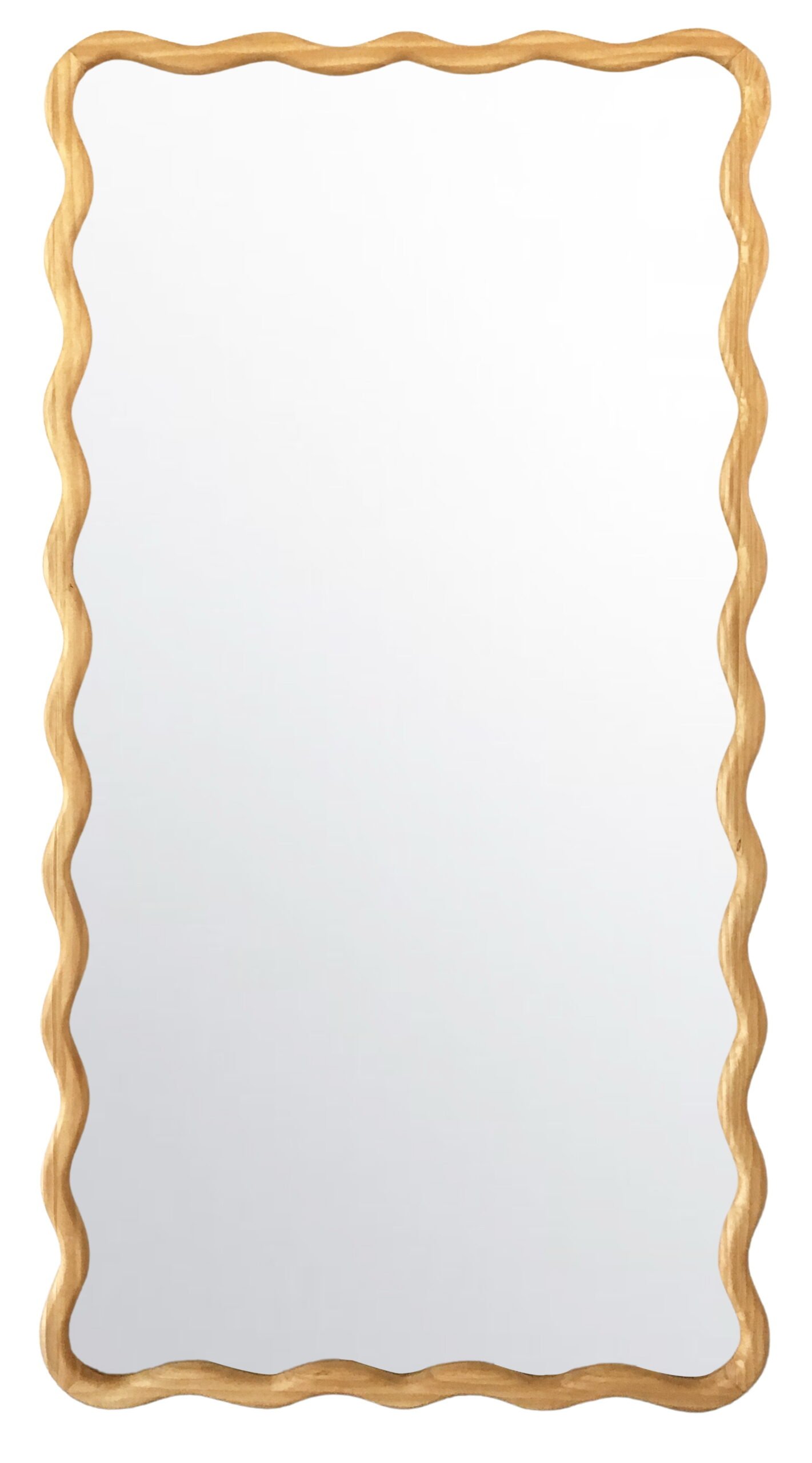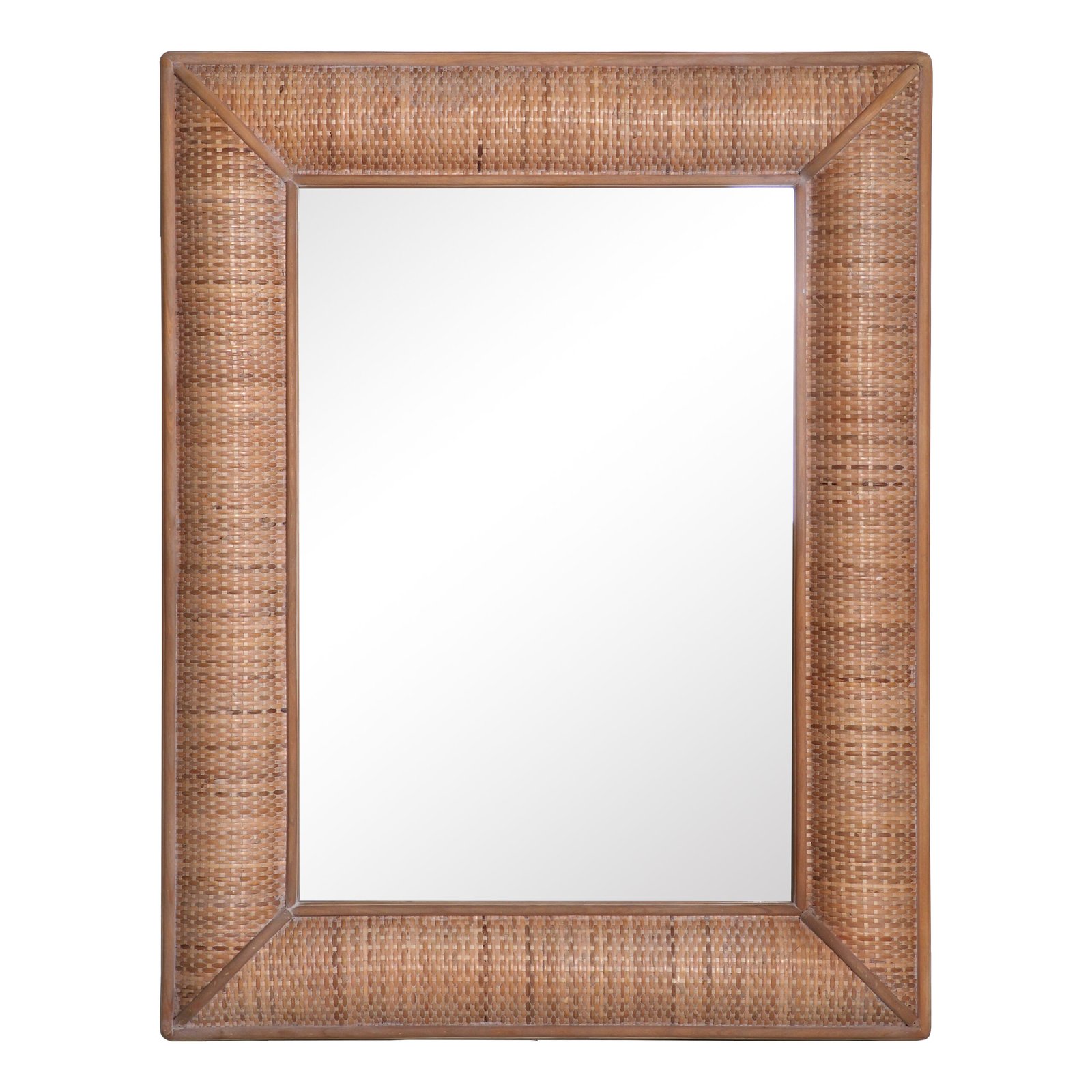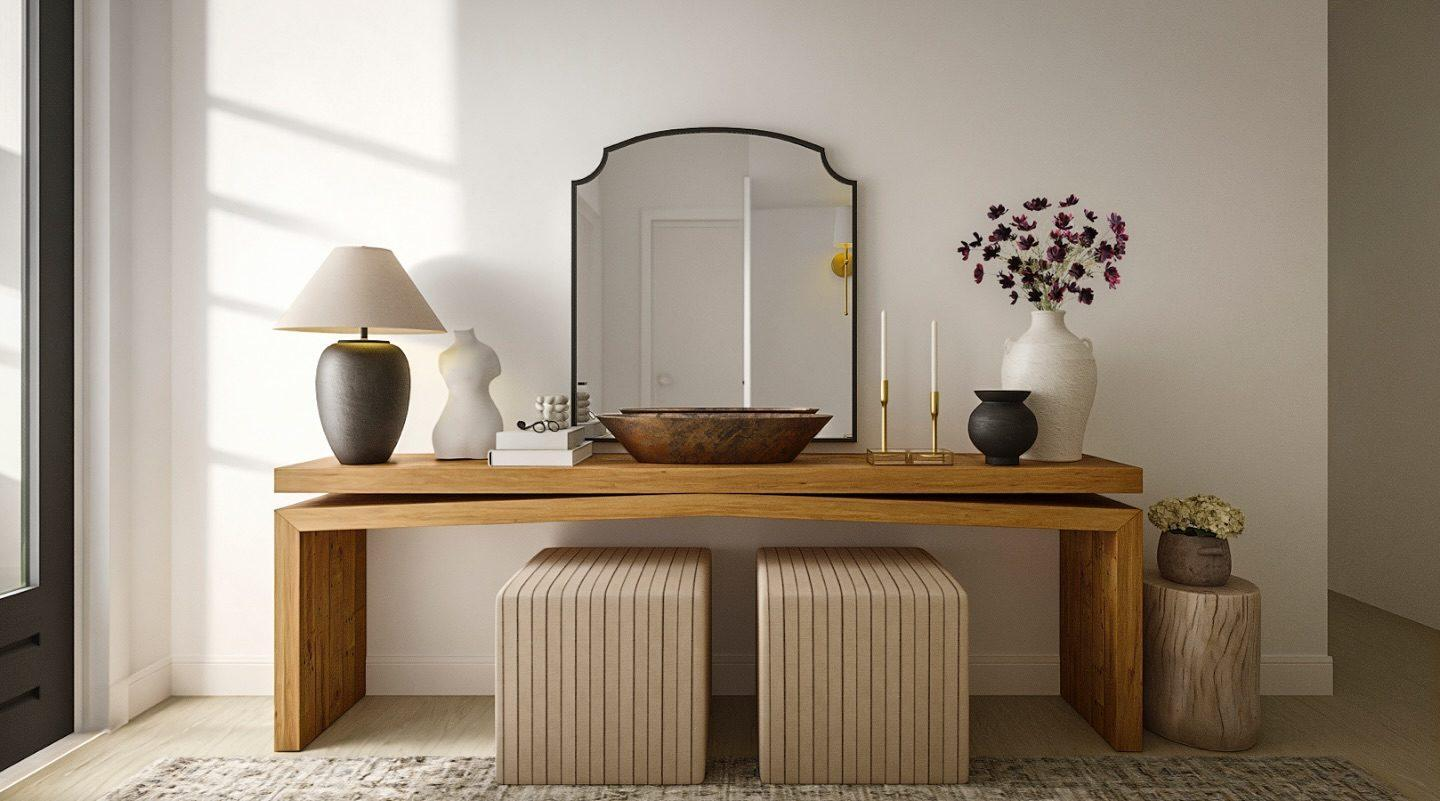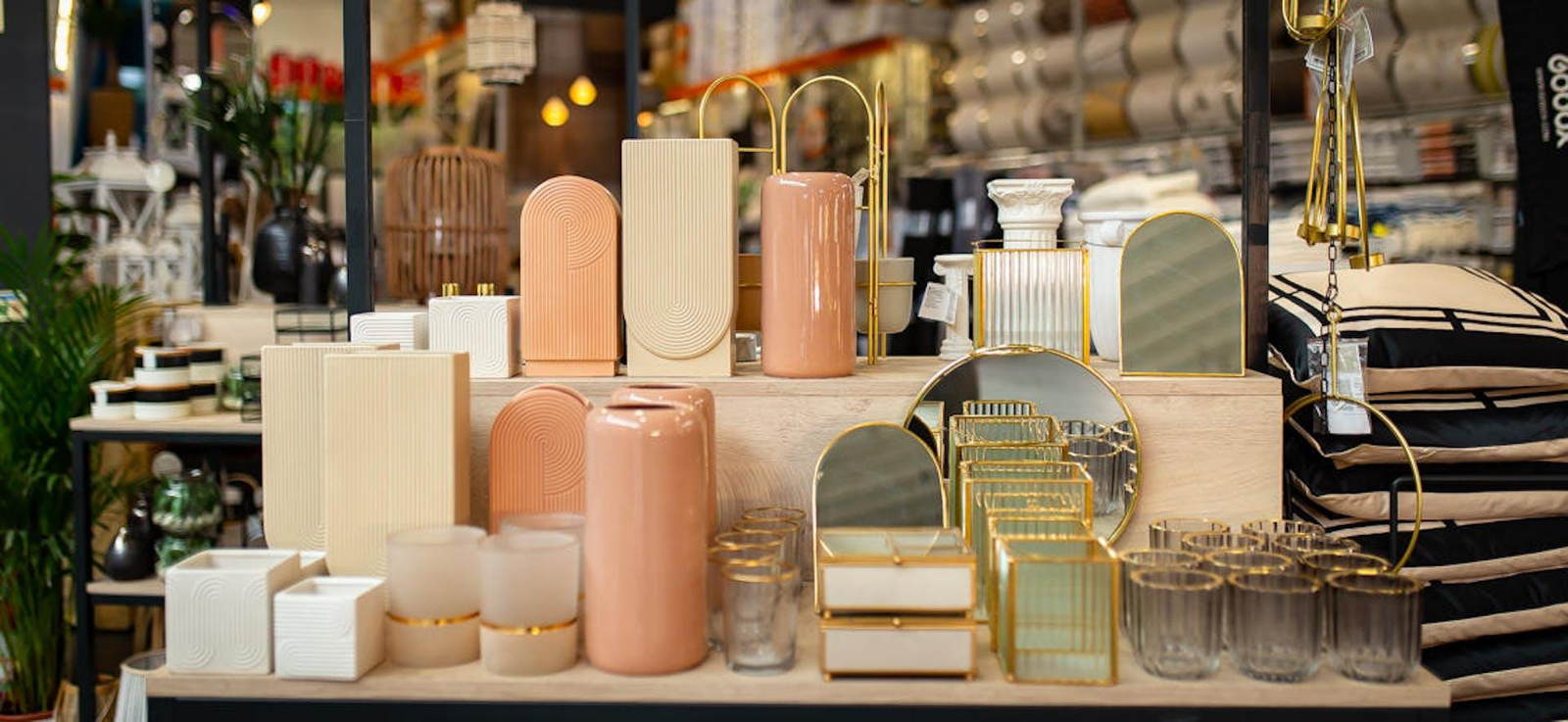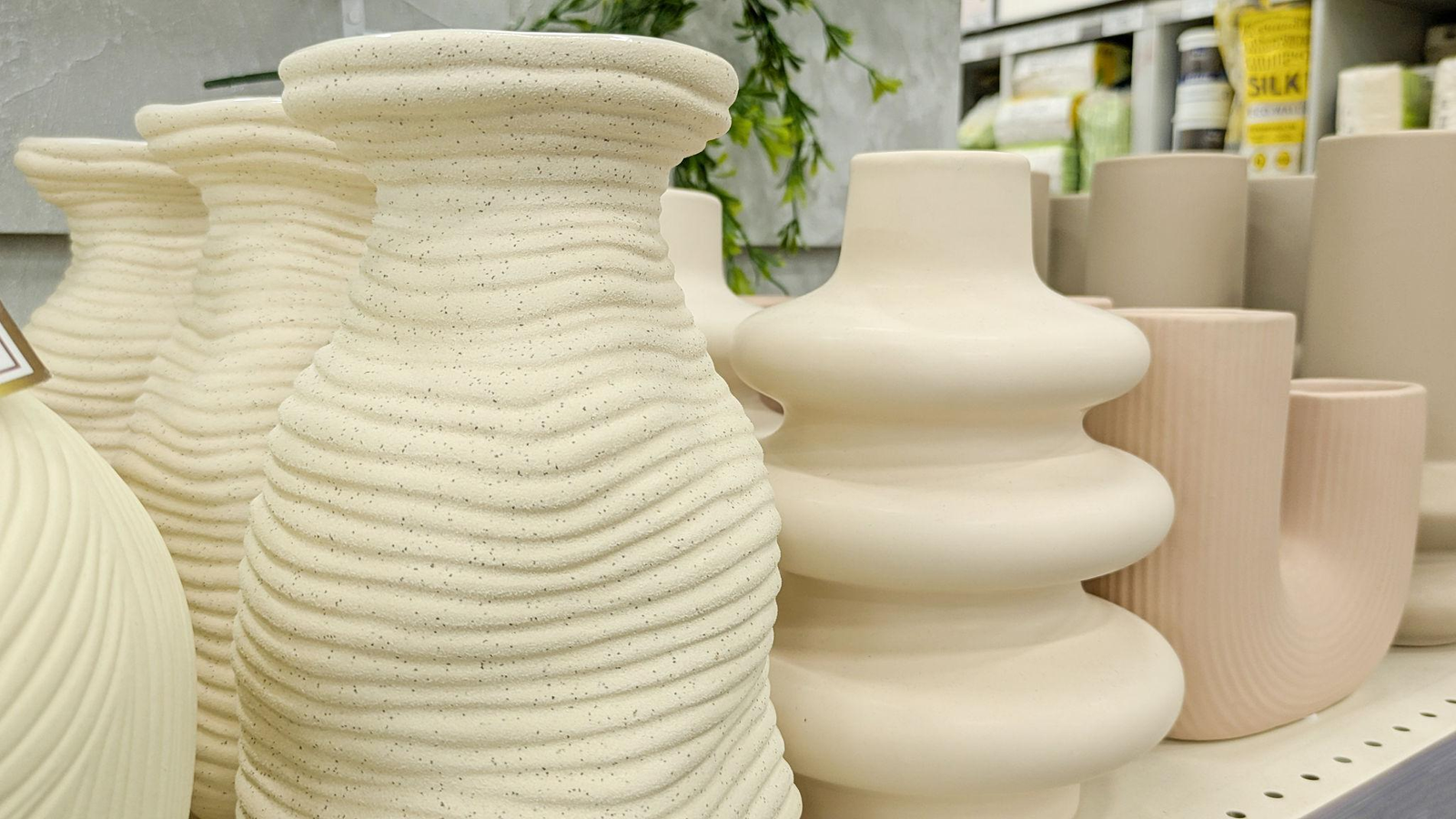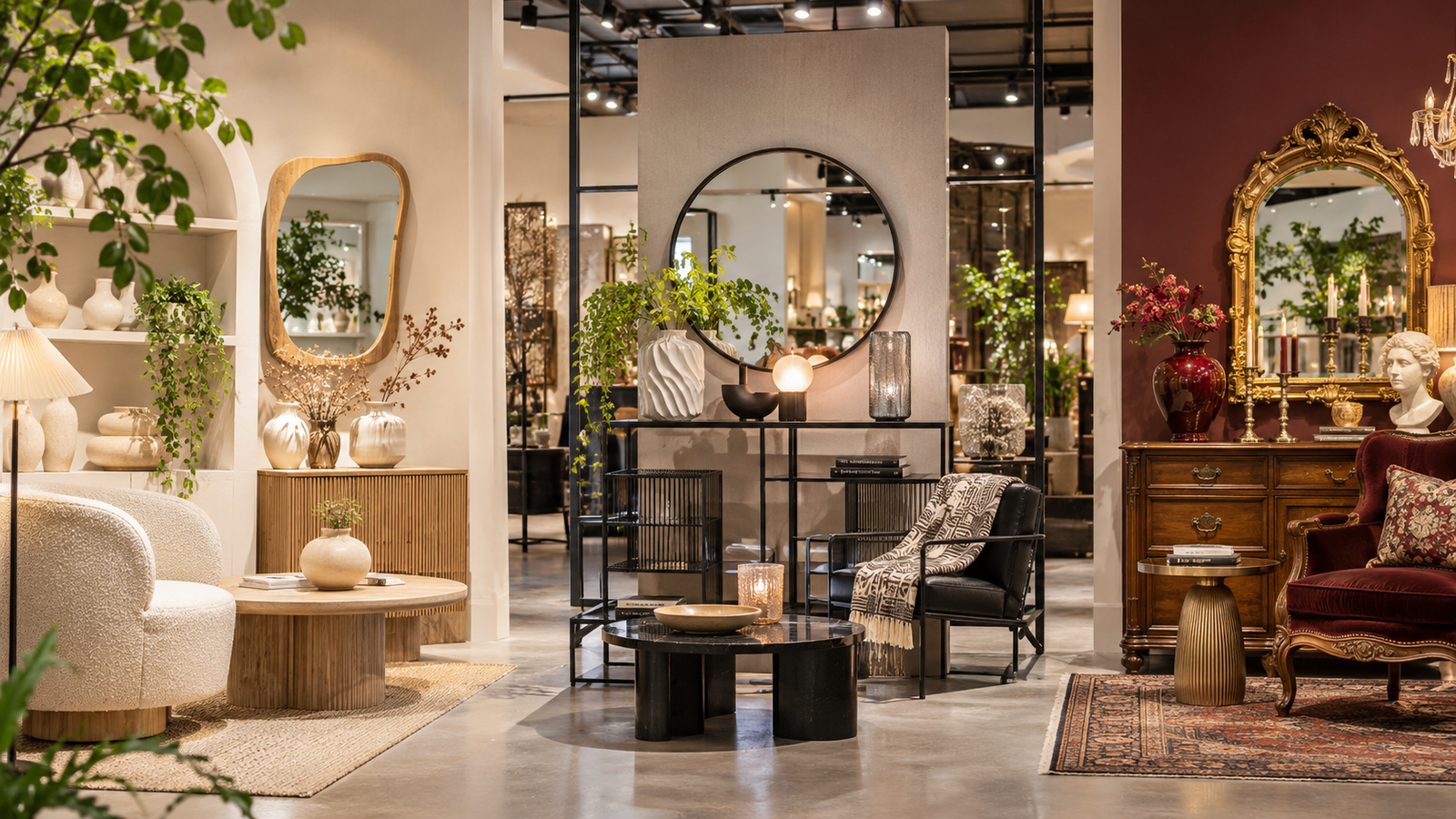
Imagine walking into five home décor stores in five different cities.
Every store has the same curved ceramic vases, the same muted colours, the same sculptural mirrors and almost identical furniture.
Different brands. Different suppliers. Nearly the same products.
All five retailers proudly describe their collections as trend-led.
But if everyone follows the same trends, what makes any of them worth visiting?
This is the uncomfortable question behind 2027 home décor trends.
Trend forecasting is valuable. It helps buyers understand emerging colours, materials, design influences and consumer interests.
But a forecast is not a purchase order.
The biggest risk may not be missing the next trend. It may be following it so closely that your store becomes indistinguishable from everyone else’s.
The Industry Is Producing More Newness. But Is It Producing More Difference?
In July 2026, Maison&Objet published its twelfth industry barometer, based on responses from more than 1,300 professionals across approximately 100 countries.
Among the brands surveyed, 89% planned to introduce new products in the coming months.
The report also highlighted distinctiveness, craftsmanship and customer experience as important business priorities.
This creates an interesting tension.
Brands need fresh products to remain relevant. Yet launching more products does not automatically create a more recognizable identity.
A new colour on an existing shape may offer a seasonal update.
It does not necessarily give customers a reason to prefer one retailer over another.
The relevant question for retail buyers is not simply:
“What will be fashionable next year?”
It is:
“Which emerging design directions can our store interpret better than competitors?”
Ambiente 2027 Is Not Telling Everyone to Choose the Same Style
The official Ambiente Trends 27+ programme provides a useful example.
Announced in September 2026, its overarching theme is Coexistence, with three distinct style worlds:
| Ambiente 2027 Direction | Design Characteristics |
|---|---|
| clear + lovely | Gentle forms, light natural materials, poetic details and nostalgia |
| structural + emotive | Graphic structures, material texture and considered contrast |
| noble + fancy | Historical references, expressive decoration and refined eclecticism |
These are not three compulsory shopping lists.
They are different ways of interpreting changes in design culture.
A specialist retailer selling decorative mirrors and antique-inspired furniture may find opportunities in noble + fancy.
A contemporary homewares brand might take more from structural + emotive.
A smaller gift and tabletop store could explore selected elements of clear + lovely.
None needs to buy everything from all three.
The point is not to select the most fashionable route.
It is to choose an interpretation that fits the store’s identity and customers.
Source: Ambiente Trends 27+ — Coexistence.
The Same Trend Can Produce Three Very Different Products
Consider a hypothetical design signal: customers are becoming interested in expressive, tactile decorative objects.
Three retailers could respond very differently.
Retailer A: The minimalist home store
Develops a restrained sculptural vase with a tactile ceramic surface and quiet colour.
Retailer B: The vintage-inspired boutique
Develops a decorative vessel with historical references, deeper tones and more visible ornament.
Retailer C: The playful gift retailer
Develops a colourful, organic-shaped tabletop accessory with stronger visual personality.
All three may be responding to a similar market signal.
But their final products serve different customers.
That is the difference between following a trend and translating a trend.
A trend describes an opportunity.
A product defines how a business chooses to compete.
The Most Valuable Part of a Trend Report May Be What You Reject
Retail buyers are understandably reluctant to ignore a popular design direction.
What if a competitor sells it successfully?
What if customers begin asking for it?
What if the category manager challenges the decision?
These are legitimate commercial concerns.
However, purchasing every popular silhouette, finish and colour can make a retailer’s product identity less clear.
A useful buying brief should therefore include two decisions:
What we will explore.
And equally importantly:
What we will deliberately avoid.
For example, a retailer with a strong vintage-industrial identity may explore textured black metalwork, crafted details and richer upholstery.
It may deliberately reject certain ultra-minimal decorative products, even if they appear prominently in a forecast.
That decision is not evidence that the trend is wrong.
It means the trend may not be right for that retailer.
Good buyers do not simply recognize opportunities. They recognize which opportunities belong to them.
A Teruier Example: One Stripe, Several Possible Identities
Teruier’s developing Striped Storage and Wall Décor Collection for 2027 provides a useful product-development example.
The proposed collection explores stripes across decorative trays, storage pieces and wall accessories, including yellow, blue and red colour directions.
During development, the team reviewed the line regularity and colour strength, introducing more variation and softer intensity.
The important decision was not merely to apply stripes to more products.
It was to adjust how the pattern looked on different forms.
A stripe that appears balanced on a small decorative box may dominate a larger wall piece.
The same pattern also offers different possibilities for different retailers.
A playful gift store might prefer stronger colour contrasts.
A more restrained home décor retailer might choose a softer version with fewer visual interruptions.
Both could begin with the same design idea without requiring identical final products.
The collection remains in development. Production specifications, finishes, construction and packaging still require confirmation.
That distinction matters: a design direction is an opportunity for buyer discussion, not proof of a finished commercial programme.
A Colour Forecast Is Not a Brand Strategy
Teruier’s 2027 Spring Home Décor Colour Development explores warm neutrals, muted pastels and more expressive accents across 15 proposed concepts.
These options are useful when discussing future collections.
However, the more important question is how a retailer chooses among them.
Imagine two retailers selecting the same muted olive colour.
One applies it to clean metal storage with contemporary proportions.
The other uses it on an ornamental decorative object with a weathered surface.
The colour is similar.
The customer experience is not.
Material, finish, proportion, silhouette and category positioning all influence the final result.
For buyers evaluating design direction and style routes, this means product differentiation cannot be reduced to a colour code or a moodboard.
It requires decisions about the actual product.
Three Questions Before Buying a Trend
Before approving a trend-driven product, buyers should answer three questions.
1. Does This Trend Fit Our Existing Customers?
A visually exciting product may be appropriate for a different retail channel.
Evaluate the intended customer, current category positioning and realistic selling environment.
2. What Makes Our Interpretation Different?
If the only difference is a slightly cheaper price, competitors may find it easy to offer something similar.
Distinctive proportions, material treatment, a recognizable design detail or a different use case may provide stronger differentiation.
The differences must still be relevant to the customer.
3. Can We Validate the Product Before Committing?
A forecast cannot establish future demand for a particular SKU.
Buyers can use sample reviews, small initial orders where commercially feasible, customer feedback and actual sales results to test their interpretation.
The purpose is not to eliminate uncertainty.
It is to avoid treating a trend prediction as evidence of a guaranteed bestseller.
Teruier’s Retail Assortment Planning Guide provides further guidance on translating product choices into retail roles and merchandising decisions.
Isn’t Following Trends the Safest Strategy?
Sometimes it is.
A retailer may need familiar colours and recognized silhouettes because customers actively search for them.
Ignoring popular demand simply to appear original can be just as commercially risky as copying every trend.
The better approach is selective adoption.
A retailer can offer accessible, recognizable products while developing a distinctive signature through selected statement pieces, materials or product details.
Differentiation should not mean making products unusual at any cost.
It should mean giving customers a clear reason to choose the collection.
That reason must ultimately be supported by product quality, appropriate pricing and actual demand.
How Teruier Can Support Different Retail Interpretations
Teruier works with international home décor buyers on decorative mirrors, tabletop accessories, storage and accent furniture, supported by product-development and manufacturing resources in Fuzhou–Minhou, China.
The opportunity in a trend-driven development brief is to start with the buyer’s market position rather than immediately selecting a popular colour or shape.
A buyer may bring a reference from a European design fair, a preferred material direction or a specific retail concept.
The development discussion can then explore different proportions, finishes, surface treatments and product applications.
Physical samples and manufacturing review are needed before proposed variations become approved products.
The objective is not to make every retailer follow one Teruier house style.
It is to help buyers translate useful design signals into product choices that fit their own customers.
FAQ
Should home décor retailers follow 2027 trend forecasts?
Yes, as research inputs. Forecasts can help identify design opportunities, but product decisions should also reflect customer needs, positioning, cost and commercial validation.
What makes a trend-driven product different from a copycat product?
A trend-driven product interprets a broader design signal through its own proportions, materials, details and intended use. Copying a popular appearance without meaningful adaptation offers less differentiation.
Can small retailers develop distinctive home décor collections?
Yes. A smaller retailer can focus on a defined aesthetic, selected product variations or a narrow customer group rather than attempting to cover every trend.
The Next Trend Is Not Your Competitive Advantage
The same trend report is available to thousands of buyers.
The same colours can be researched by competing retailers.
The same popular silhouettes can appear in multiple catalogs.
What cannot be copied so easily is a consistently understood customer, a clearly defined design identity and a disciplined process for developing products around both.
Teruier welcomes international retailers, importers and home décor brands to discuss distinctive product development, sampling and wholesale sourcing.
Contact Teruier with your target market, product categories and preferred style direction.
Follow the market. Don’t become a copy of it.