
Small ottomans are retail gold. They’re easy to place, easy to add-on, and easy for shoppers to justify—especially when the silhouette is clean and the texture feels “expensive” the moment a customer touches it.
That’s why demand keeps rising for small upholstered ottoman wholesale programs, and why buyers are doubling down on two proven winners: a cube ottoman for retailers (simple, stackable, always merchandisable) and the softer trend-driven hero—teddy ottoman wholesale—which turns a basic floor set into a touch-first moment.
But here’s what mall buyers learn quickly: the product doesn’t fail on the shelf. It fails in transit, receiving, and returns. And the fastest way to protect margin is not chasing a cheaper PO—it’s demanding better ottoman packaging.
Here’s the one-line positioning that matters for retail buying (because it describes a system, not a seasonal pitch):
Retail-ready small ottomans built for repeat runs—supported by protective ottoman packaging and supplied through a home decor manufacturer China network that can scale custom home decor accessories without drift.
The buyer profile behind today’s ottoman programs
Your customers may not say it out loud, but their behavior tells the story: they want compact comfort, flexible seating, and a “finish piece” that makes a space feel styled without a big commitment.
Region (where demand shows up)
North America: fast trend cycles, strong add-on behavior, high sensitivity to returns
Middle East: premium look expectations, durability, and presentation
Europe: texture sensitivity, proportion discipline, and craft cues
Customer (who buys it)
first-home shoppers who want an easy upgrade
families who want movable seating and footrests
style-driven shoppers who buy on touch and texture
mall gift buyers looking for a “safe” décor purchase
Group tendencies (who it skews toward)
Small ottomans perform especially well with shoppers who want immediate comfort and visual softness—often younger households and anyone furnishing apartments or flexible living spaces.
Price band (spending power)
value: needs to feel solid and look clean
mid-tier: expects better foam, better upholstery, better finishing
premium: expects consistency, tight seams, and higher tolerance control
Use scenarios (how it’s used)
Entryway drop zone, living room accent, bedroom foot piece, closet seating, boutique waiting corner—plus floor merchandising sets that rely on multiples looking identical.
This is exactly why repeatability matters: your best seller needs to stay your best seller.
Cube vs. teddy: two retail roles, one sourcing discipline
A cube ottoman for retailers wins because it’s the most predictable shape in the category. It’s easy to style under a console, next to a chair, or in a grid stack on the floor. The silhouette also hides fewer flaws—meaning QC and finishing have to be disciplined.
Teddy ottoman wholesale wins for a different reason: it converts on touch. The “soft” story is instantly understood without signage. But it also introduces a risk: if the pile, hand-feel, or tone changes between reorders, customers notice fast—especially under warm mall lighting.
That’s why the best retail programs treat cube and teddy as a coordinated assortment: one provides continuity, one provides trend heat—both require controlled specs.
Ottoman packaging: the hidden profit lever buyers underestimate
Most returns don’t start with “the design is wrong.” They start with:
crushed corners
scuffed fabric
flattened pile (especially teddy textures)
leg dents or frame stress from impact
cartons that look damaged at receiving
For mall retail, ottoman packaging has to be designed for real-world handling: repeated transfers, dock receiving, store backroom stacking, and last-mile movement.
A supplier who understands retail will standardize packaging like a system:
corner protection that prevents crush and rounding
surface protection that prevents rubbing and scuffing
compression control so upholstery doesn’t flatten in transit
clear labeling for receiving and floor readiness
When packaging is treated as an afterthought, you pay for it in damage claims and markdowns.
Why “home decor manufacturer China” matters—if it’s built on stable coordination
Many buyers already work with a home decor manufacturer China supplier base for cost and capacity. The difference is whether that supplier base is coordinated to protect consistency across runs.
Teruier is built from a craft manufacturing hub in the Fuzhou region—an area shaped by long-standing craft culture and modern home décor production capacity. The operational advantage comes from three coordinated supply chains working together:
Artisans (people): upholstery finish discipline, seam alignment, tactile consistency checks
Materials: stable sourcing for fabrics, foam, wood structures, and packaging materials
Process: repeatable workflows that prevent drift after sampling
Add ongoing feedback loops from US and EU designers, and you get something retail buyers care about: trend-forward products that can actually be repeated.
This is also where custom home decor accessories become a strategic add-on. When your supplier system can coordinate textures, finishes, and packaging standards across categories, you can build larger floor stories—without multiplying operational chaos.
A mall buyer’s checklist before committing to a small ottoman program
Before you lock a small upholstered ottoman wholesale program, ask your supplier:
How do you lock foam density and frame structure across reorders?
What controls ensure teddy texture pile and hand-feel stay consistent?
What defect standards apply to seam alignment and corner squareness?
What packaging prevents corner crush and surface scuffing at retail receiving?
What’s your reorder process—do you keep a master reference and QC checkpoints?
If the answers are vague, the risk will show up in returns.
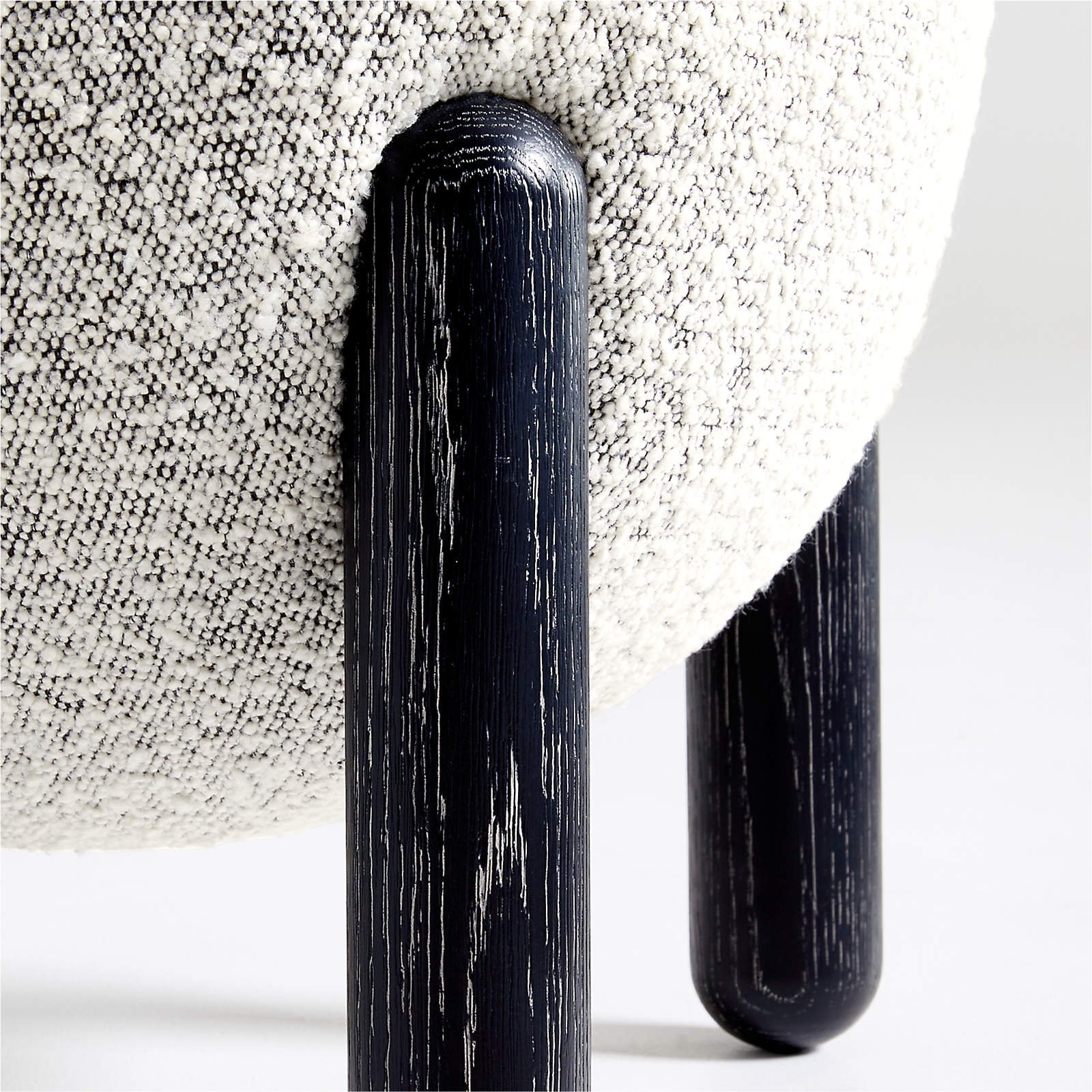
small ottomans scale only when reorders stay clean
Small ottomans win because they sell quickly, style easily, and add margin without demanding extra floor space. But to keep them selling, your program needs more than a trend—it needs stability.
When you source cube ottoman for retailers and teddy ottoman wholesale through a coordinated home decor manufacturer China supply system—and you insist on retail-grade ottoman packaging—your best sellers stop being fragile and start becoming repeatable.
That’s how a “hot SKU” becomes a long-run program.



