

MDF (Medium Density Fiberboard) is a widely used material in the furniture and decor industry. It’s an essential element in the production of various home goods, including mirrors, chairs, and small decor items. But one question that often arises among buyers and procurement professionals is: Why do products made from the same MDF material look and feel so different? For example, why does a mirror crafted from MDF appear to have such a different quality and aesthetic compared to a chair made from the same material?
This article explores the reasons behind these apparent discrepancies, helping you understand how the same material can result in drastically different products. By the end, you’ll gain insights into how design, craftsmanship, and supplier selection can influence the final outcome of MDF products.
Introduction: Understanding MDF as a Common Material in Furniture and Decor
What is MDF?
MDF, or Medium Density Fiberboard, is a versatile material made from compressed wood fibers, wax, and resin. It’s prized for its smooth surface, ease of use, and ability to be shaped into various forms. It’s commonly used in the production of furniture, mirrors, and decor items because of its strength, stability, and cost-effectiveness.
Why do products made from MDF differ so much?
While MDF might be the core material in both a mirror and a chair, the final products can vary significantly in terms of appearance, durability, and overall quality. Several factors come into play, including design, craftsmanship, and manufacturing processes, all of which influence how the material is used and its final form.
This article will delve into the aspects that lead to these differences, ensuring you understand how the same material can yield vastly different results depending on various factors.
Basic Knowledge of MDF Material
1. What is MDF?
MDF is a dense, engineered wood product made by breaking down hardwood or softwood into fiber, combining it with wax and resin, and then compressing the material into sheets. It’s smooth, uniform, and easy to cut, making it ideal for intricate designs in both furniture and decor.
2. Types of MDF
Not all MDF is the same. There are different grades and densities of MDF, such as high-density, medium-density, and low-density MDF. These types of MDF can vary in:
- Durability: Higher-density MDF is stronger and more durable, which is ideal for furniture frames or pieces that require structural support.
- Finish Quality: Higher-density MDF tends to have a smoother finish, making it perfect for high-end mirrors and delicate decor items.
3. Why MDF is Popular for Furniture and Decor
MDF is favored in furniture production due to its affordable price, smooth surface, and ease of customization. It’s ideal for creating detailed designs in both furniture and home decor, especially for pieces like mirrors, chairs, and small decorative items. Additionally, it’s relatively light and easy to work with, which contributes to its widespread use.
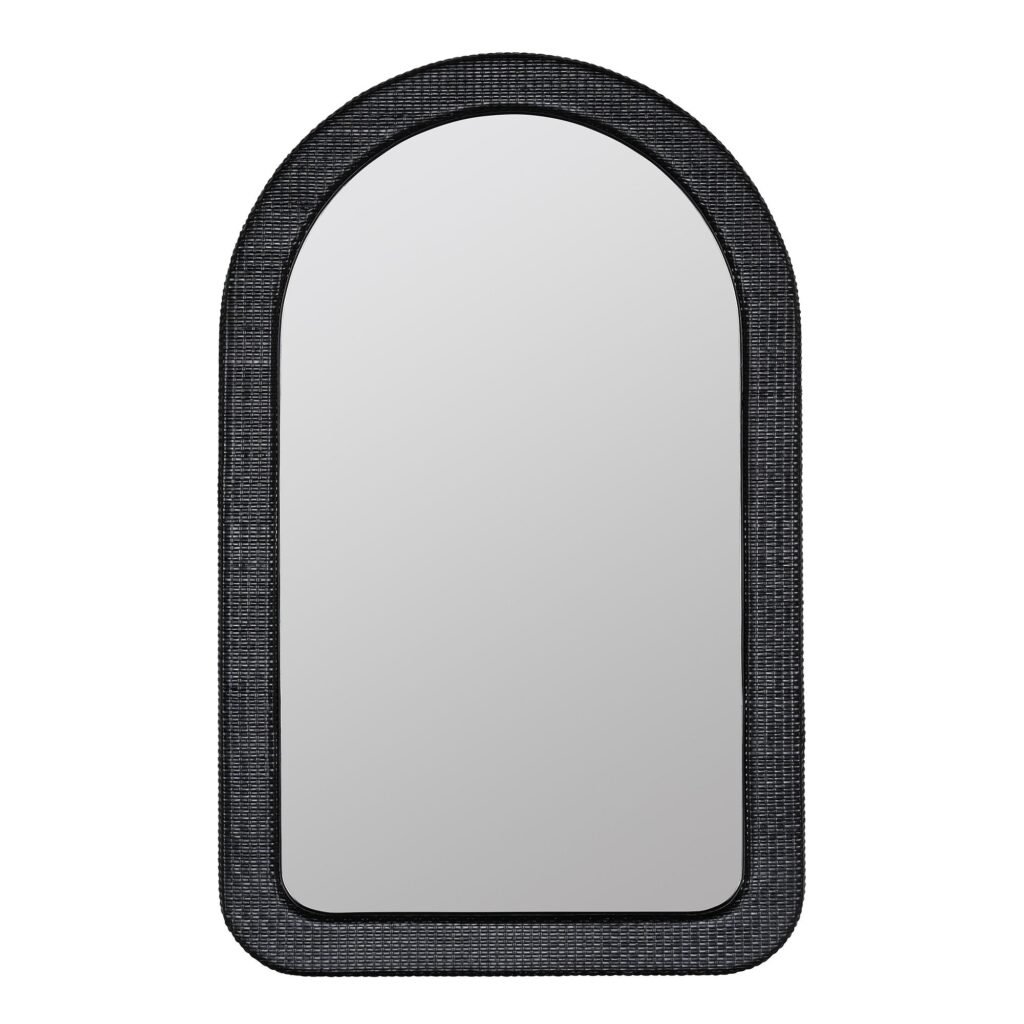
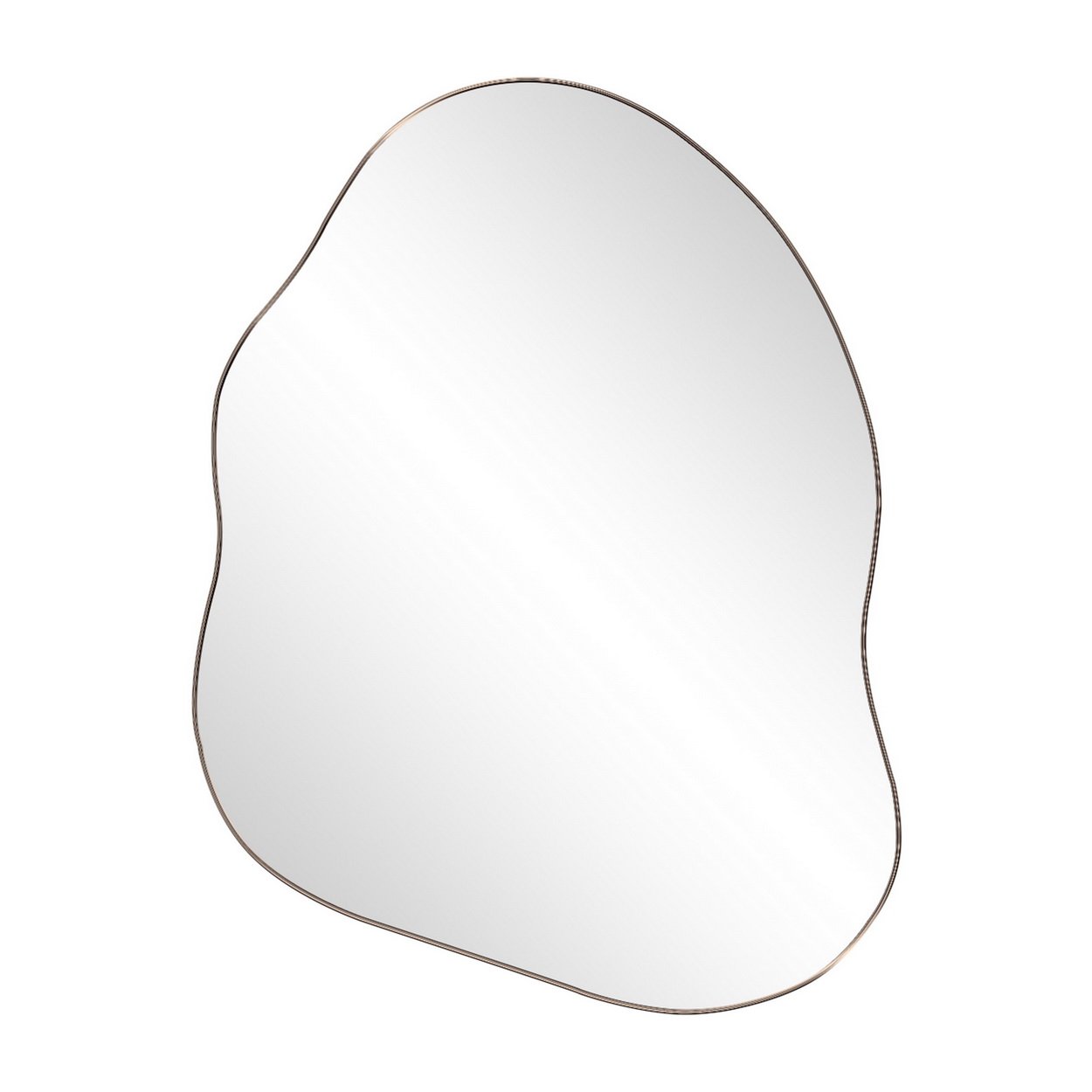
Differences in Mirror and Chair Manufacturing: How MDF Affects the Final Product
1. Special Techniques in Mirror Production
Creating mirrors from MDF requires additional techniques beyond the material itself:
- Glass coating and treatment: Mirrors often involve a glass layer that needs special coating to provide reflection, durability, and clarity.
- Frame design and integration: The frame of the mirror, often crafted from MDF, must be sturdy enough to support the glass while providing aesthetic appeal. Fine woodworking and detailed craftsmanship are critical here.
In this case, the quality of MDF’s finish and the craftsmanship involved can directly influence how smooth, durable, and visually appealing the mirror is.
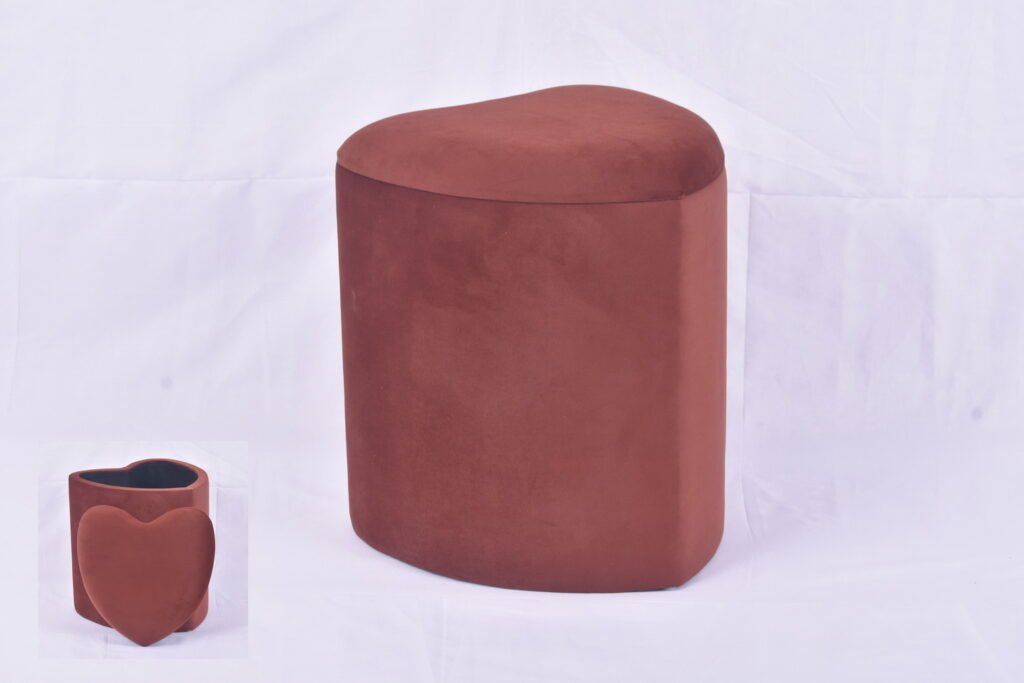
2. Structural Requirements for Chair Manufacturing
Chairs made from MDF must meet different requirements:
- Weight-bearing capacity: Chairs must support the weight of a person, meaning MDF used for chairs needs to be of high density and carefully assembled.
- Comfort and functionality: For chairs, the focus shifts to ergonomics and structural integrity. The finish and shaping of the MDF must accommodate comfortable seating while maintaining a visually attractive design.
The final chair product is highly influenced by MDF’s strength and how well it’s treated during manufacturing to ensure the piece is both functional and visually appealing.
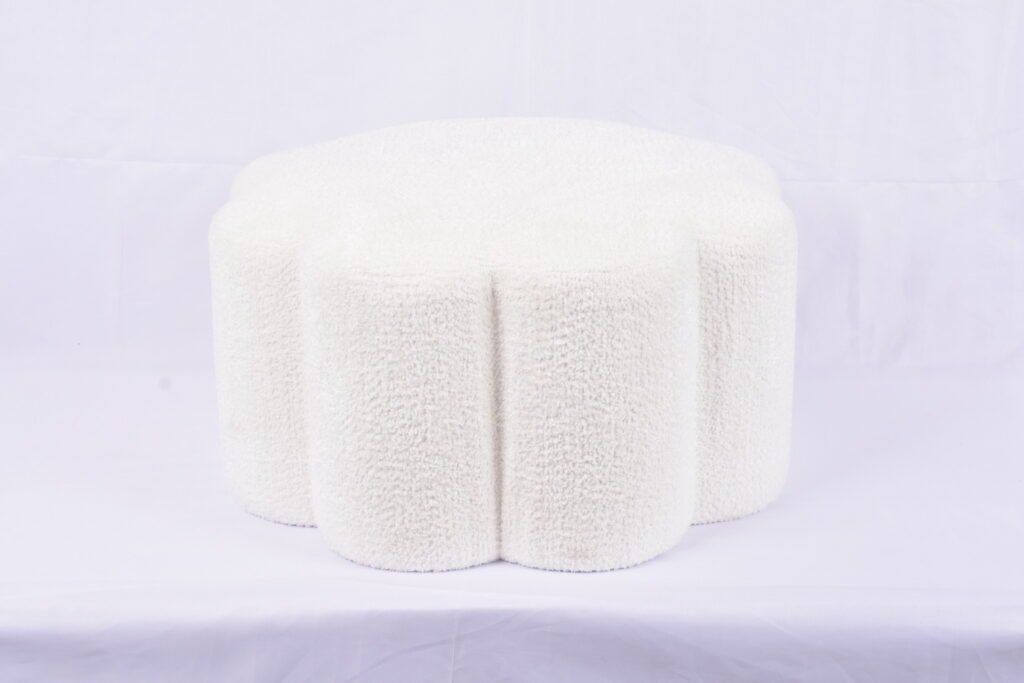
3. Durability Requirements and Shape Realization for Small Decor Items
Smaller decor items, such as picture frames or decorative sculptures, require precision in shape and finish. These items benefit from MDF’s easy molding but demand fine detailing, smooth surfaces, and secure construction. The quality of finish, including painting, lacquering, or veneering, plays a large role in determining the final look and longevity of the product.
Design and Craftsmanship Differences: Why the Same Material Yields Different Results
1. Design Sensibility: Creativity and Market Trends
Design teams infuse products with creativity and adapt to market trends. How well the design blends with the MDF material is key to the product’s final quality.
- Innovative designs that align with current trends can turn a simple MDF structure into a premium piece, whether it’s a statement chair or a luxury mirror.
- The designer’s ability to harmonize the aesthetic appeal and functional needs with MDF’s capabilities is critical.
2. The Impact of Skilled Craftsmanship on Product Quality
The precision of the cutting and finishing techniques plays a major role in the final quality of MDF-based products.
- How the MDF is cut, joined, and finished affects not only the visual appeal but also the structural integrity of the product.
- The use of advanced equipment and skilled labor ensures better product quality. Differences in manufacturing techniques across suppliers can significantly impact the final product, even if the same MDF is used.
Key Factors in Choosing Manufacturers: How to Ensure High-Quality MDF Products
1. Design and Execution Capability
The ability to transform ideas into reality is a core factor that distinguishes manufacturers. Experienced designers and manufacturers know how to get the most out of MDF by:
- Optimizing material potential for unique designs.
- Adapting designs to meet consumer preferences and market trends.
2. Supply Chain and Material Selection
Choosing high-quality MDF is essential. A good manufacturer understands how to:
- Source premium MDF that is consistent in quality and performance.
- Use environmentally sustainable materials when possible to enhance product appeal and longevity.
3. Quality Control and Inspection
Effective quality control procedures ensure that products are defect-free. From raw material selection to final product inspection, a reliable manufacturer ensures:
- Rigorous testing and inspection at every stage.
- Monitoring strength, finish quality, and aesthetic consistency.
4. Customization and Innovation
Custom designs require an innovative approach to fully realize the potential of MDF. A manufacturer who offers customization options can help you create unique pieces that stand out in the market.
Why Choosing a High-Quality Manufacturer Matters
1. Long-Term Market Competitiveness
High-quality MDF products provide sustainability and durability, giving buyers a competitive edge in the long run. Investing in quality materials and craftsmanship helps secure a place in the market over time.
2. Customer Satisfaction and Brand Value
Top-quality products lead to greater customer satisfaction and enhanced brand loyalty. When customers receive well-made, durable, and beautiful products, they are more likely to return and recommend your brand.
3. Cost-Effectiveness and Sustainability
High-quality MDF reduces the frequency of replacements and repairs, ultimately lowering long-term costs and enhancing sustainability.
Conclusion
In conclusion, while MDF is the common material in both mirrors and chairs, the final product’s look, feel, and durability depend heavily on the design, craftsmanship, and the manufacturer chosen. Understanding these factors is essential for ensuring that your MDF-based furniture or decor pieces meet market expectations. Choosing the right manufacturer with design expertise, quality control, and innovation can make a significant difference in the product’s overall quality and market success. By selecting the right partner, you ensure the best results for your business and your customers. For buyers looking to optimize quality and stand out in a competitive market, it’s crucial to partner with manufacturers who bring both craftsmanship and design innovation to the table.
If you are a buyer looking for the products mentioned in the article, you can inquire with Teruier, click here to browse some of Teruier’s products. You can also read Teruier’s brand story by clicking here.



