
A cube ottoman looks simple—until you specify it for a real project or retail program. Then you realize it’s one of the highest-touch pieces in the room: people sit on it, move it, lean bags against it, and notice every detail up close.
That’s exactly why a cube ottoman for retailers has become a staple. It’s compact, flexible, easy to style, and easy to sell. But for interior designers, the real win isn’t how it looks in a showroom photo. The win is whether it shows up exactly as approved—and stays consistent across reorders.
Here’s the positioning that matters for designers (because it describes a system, not a vibe):
Retail-ready cube ottomans built from locked specs and repeatable QC—delivered through a home accessories manufacturer China network that protects consistency from sample to reorder.
Why cube ottomans perform so well in retail programs
Retail environments reward pieces that are:
visually clean from multiple angles
easy to merchandise in sets
practical for small spaces
flexible as extra seating or a styling “block”
friendly for add-on purchases
That’s why designers often specify cube ottomans not only for homes and hospitality, but also for retail vignettes and styled corners. The piece is small, but it signals “finish” and invites interaction—two things retail relies on.
The buyer profile behind cube ottoman decisions
Even if you’re an interior designer, your sourcing is shaped by who touches the ottoman daily and what the space expects from it.
Region (where projects happen)
North America: performance fabrics, neutral palettes, fast refresh cycles
Middle East: premium finishes, higher durability expectations, strong packaging discipline
Europe: texture sensitivity, proportion discipline, craft cues
Customer (who uses it)
residential clients: comfort, durability, easy maintenance
hospitality operators: high-touch durability and replacement speed
retailers: consistency across multiples, predictable reorders, and floor-ready packaging
Group tendencies (who the space is for)
families: stain resistance, stable corners, safe edges
young professionals: compact footprint, multi-function use
premium buyers: refined upholstery, consistent stitching, clean finishing
Price band (spending power)
value: must feel solid and look clean
mid-tier: better foam, better structure, better fabric choices
premium: tighter tolerances, refined finishing, higher consistency across runs
Use scenarios (how it’s used)
Entryway drop zone, living room flex seating, boutique waiting corner, retail display anchor, or a “pairing” piece under a mirror or console.
Once you map these tags, the sourcing requirement becomes obvious: cube ottomans are only “easy” when your supplier system is stable.
Why cube ottomans drift between sample and shipment
The most common “looks almost the same” drift comes from:
foam density changes (comfort feels cheaper)
fabric substitution or batch variation (tone and texture shift)
stitching alignment drift (lines look sloppy up close)
leg or base finish inconsistency (warm vs. cool tone mismatch)
packaging that compresses corners or scuffs fabric in transit
A cube shape amplifies these problems because it’s all planes and edges—there’s nowhere for inconsistency to hide.
Why “home accessories manufacturer China” can be an advantage—if it’s organized as a system
Working with a home accessories manufacturer China network can give designers real leverage: speed, variety, and the ability to scale production without starting from zero each time.
But only if the supplier operates like a coordination hub—not a catalog.
Teruier is built from a craft manufacturing hub in the Fuzhou region—an area shaped by long-standing craft traditions and modern home décor production capacity. That background matters because it forms a practical backbone of three coordinated supply chains:
Artisans (people): upholstery finishing discipline, stitching precision, detail control
Materials: stable access to foam, fabrics, wood structures, hardware, finishing systems
Process: repeatable workflows that prevent drift after sampling
And because we stay connected with US and EU designers who track trend movement and consumer behavior, we don’t just chase what’s popular. We translate what’s popular into buildable specs that can be repeated.
A practical checklist before you commit a cube ottoman for retailers
Before you lock a cube ottoman into a retail or multi-project program, ask your supplier:
How do you lock foam density and frame structure for repeat runs?
What are your tolerance standards for corner squareness and seam alignment?
How do you control fabric batch variation and substitutions?
What packaging standards prevent corner crush and surface scuffing?
What’s your reorder process—do you keep a master reference for repeat production?
Designers don’t need the cheapest supplier. You need the supplier that removes time-consuming surprises.
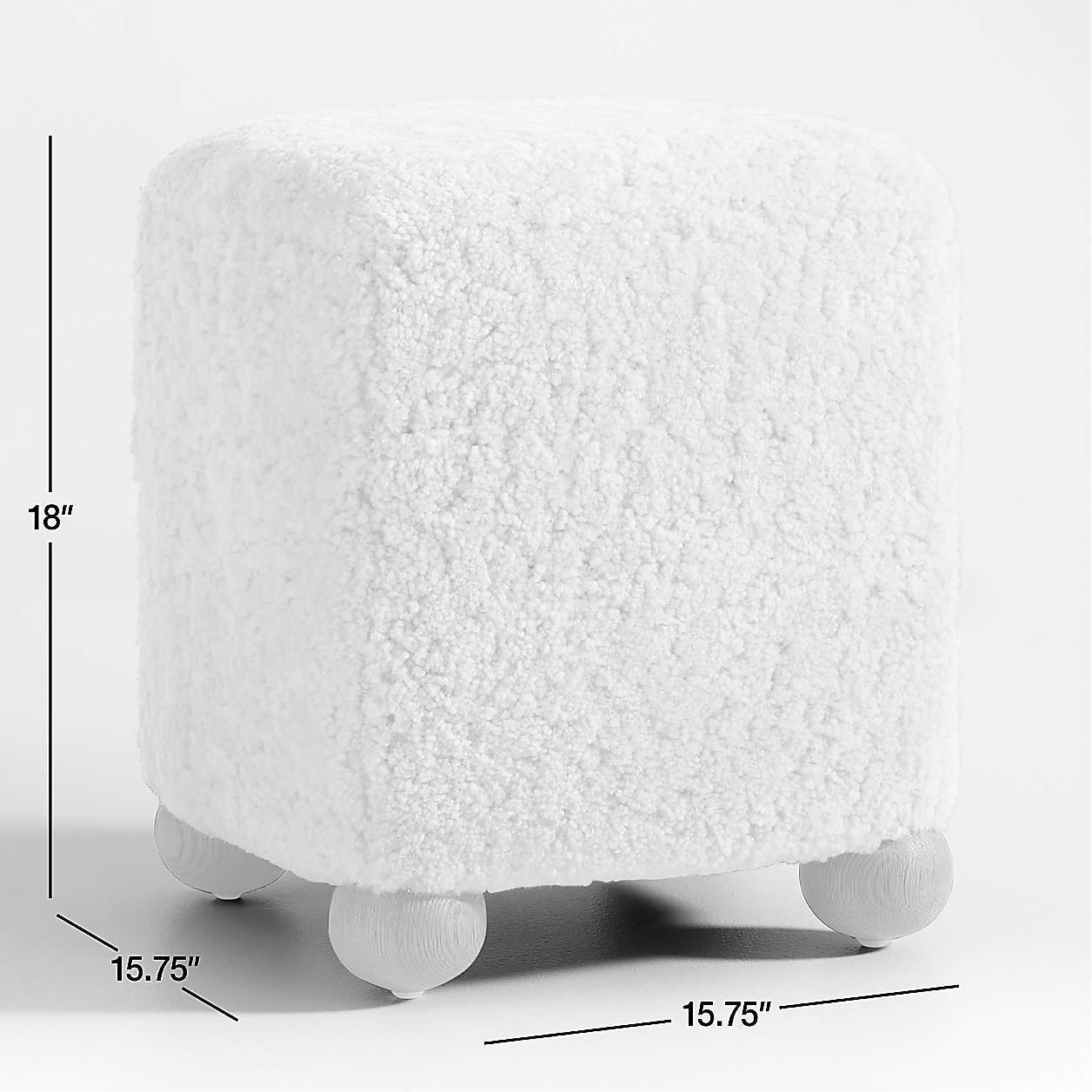
retail-ready means reorder-ready
A cube ottoman for retailers succeeds because it’s simple, flexible, and easy to style. But for designers, “retail-ready” only counts if it’s reorder-ready—if the 50th unit matches the approved sample as cleanly as the first.
That’s where the right network matters. When your sourcing is backed by a home accessories manufacturer China system built on stable materials, skilled workmanship, and repeatable process discipline, cube ottomans stop being a risk and start being a dependable building block you can use again and again.



