
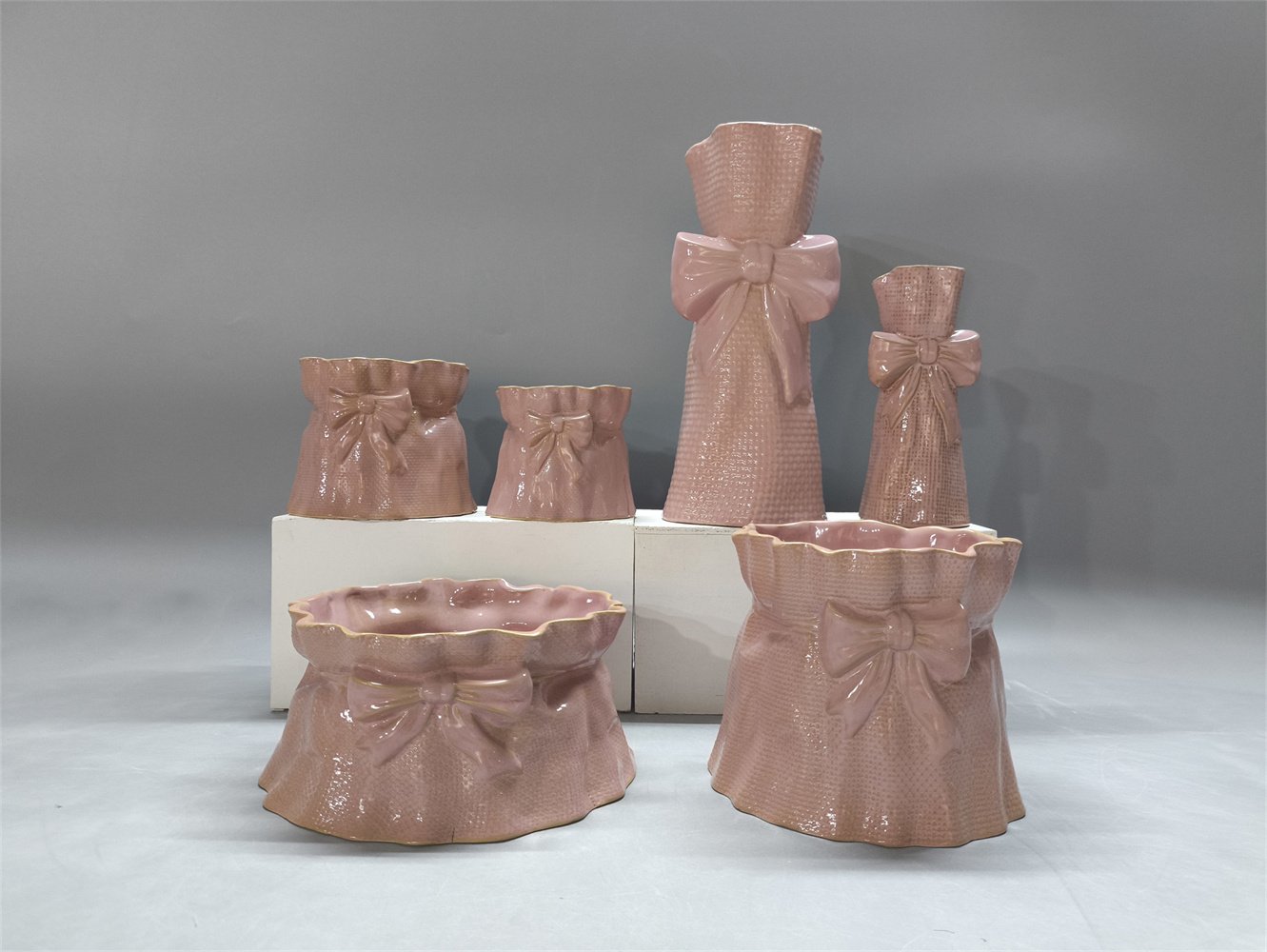
Wholesale Ceramic Home Decor Is No Longer About Filling Shelves—It’s About Giving Buyers a Reason to Choose You
The shelves are not the problem anymore. Sameness is.
Walk any U.S. market floor now, and one truth becomes obvious: buyers are not struggling to find product. We are struggling to find differentiation. The market has plenty of décor. What it lacks is décor that feels distinct enough to stop the shopper, coherent enough to support a story, and practical enough to earn a reorder. That is exactly why wholesale ceramic home decor is becoming more important again. When the right ceramic assortment lands, it does more than decorate a table. It gives a retailer a point of view.
That reading fits what the market itself is signaling. Winter 2026 Las Vegas Market positioned itself around 3,500+ product lines, 400+ temporary exhibitors, and programming focused on color, AI, and future-forward design, while ASID’s Spring 2026 High Point session pointed directly to expressive, personality-driven interiors, elevated craftsmanship, and design rooted in both purpose and performance. In other words, the conversation is moving away from generic styling and toward products that feel personal, crafted, and commercially meaningful.
U.S. buyers are not just buying ceramics. We are buying retail signals.
That matters because the modern chain-store buyer is not sourcing in a vacuum. We are buying for stores, e-commerce thumbnails, seasonal storytelling, social media imagery, and margin protection at the same time. A ceramic piece now has to do several jobs at once: attract attention from six feet away, read clearly online, fit into multiple visual stories, and feel special without becoming too niche.
This is where the best ceramic categories are winning. A fruit vase can bring optimism, color, and a playful seasonal cue. A ribbed ceramic vase adds texture without visual chaos. A 3D effect vase creates light-shadow movement that photographs well and earns a second look in-store. A tulipiere vase introduces historical character, which is increasingly useful in an era when shoppers want homes that feel collected rather than copied. These are not random shapes. They are merchandising tools.
That direction also aligns with recent market signals. High Point’s Style Spotters highlighted playful pieces, sculptural design, and modern curves as strong ideas for contemporary living, while High Point’s Future Snoops framed Fall 2025 around comfort, familiarity, optimism, color, and unapologetic self-expression. Atlanta Market’s summer 2025 Market Snapshot themes also included “Fun with Fruit” and “Tactile Appeal,” which is highly relevant for ceramic assortments built around shape, glaze, relief, and motif.
Why this category is becoming more valuable now
A lot of categories in home décor are easy to replicate visually. Ceramic is different. Good ceramic home decor carries form, glaze, weight, touch, and silhouette in one object. That gives it unusual power in a retail setting. It can function as a hero piece, an add-on purchase, a tabletop anchor, or a quiet supporting accent within broader home decor accessories assortments.
Academic research helps explain why that matters. A 2025 peer-reviewed study in Frontiers found that home décor is tied to identity construction, emotional meaning, and self-expression. Earlier environmental psychology research from scholars at the University of Texas at Austin, UC Berkeley, and George Washington University likewise treated personal interiors and the objects within them as vehicles for self-representation, personal meaning, and social identity. For retailers, that means décor is not merely functional styling inventory. It is part of how customers signal taste, mood, memory, and aspiration.
That is why ceramic products with stronger visual signatures are increasingly valuable. They help stores sell not just an object, but a recognizable feeling.
The buyer profile behind this trend is very clear
The audience most likely to engage with this kind of article is not a casual shopper. It is a retail buyer, merchandising director, or category manager working for a chain, regional home store group, lifestyle retailer, or design-led gift/home business. This buyer does not want random novelty. They want pieces that feel trend-right, but still easy to place into a controlled assortment.
Right now, the strongest U.S. buyer profile is someone balancing five pressures at once:
A need for newness, but not trend chaos.
A need for margin, but not cheap-looking product.
A need for storytelling, but not overly complicated styling.
A need for speed, but also long-tail reorder logic.
A need for social-media-friendly product, but also real shelf performance.
That is why wholesale ceramic home decor is becoming more strategic. It offers one of the clearest ways to create visible assortment differentiation without rebuilding an entire department.
What winning ceramic assortments look like in 2026
The strongest assortments are not built around one trend. They are built around contrast and balance.
A fruit vase works best when it introduces joy and color into a shelf that otherwise leans neutral.
A ribbed ceramic vase works because it adds tactile structure and a more elevated architectural feel.
A 3D effect vase works because depth and movement help products read better both online and in person.
A tulipiere vase works because historical form now feels fresh again when paired with cleaner merchandising and updated color direction.
For the buyer, the point is not to chase every look. The point is to build a family of ceramics that can serve different jobs: one item that brings charm, one that adds texture, one that creates shape-driven drama, and one that delivers heritage character.
That is how you create differentiation without losing cohesion.
What Teruier should stand for in this category
In today’s market, a supplier is no longer valuable simply because it can manufacture. A supplier becomes valuable when it can translate trend energy into retail logic.
That is where Teruier’s value-translation approach matters. The real work is not just making a vase. The real work is understanding why a buyer would choose that vase, where it fits in the assortment, what visual role it plays on the shelf, how it supports markup, and why it deserves a reorder. A fruit vase is not only playful. It can become a seasonal optimism cue. A ribbed ceramic vase is not only textured. It can become the stabilizer in a more decorative collection. A 3D effect vase is not only sculptural. It can become a thumbnail winner for e-commerce. A tulipiere vase is not only historical. It can become the piece that gives a modern display more soul.
That is the difference between product supply and commercial design thinking.
The buyers who win this year will not buy more. They will buy smarter.
There is already too much ceramic product in the market that looks interchangeable. The opportunity now is not to source more volume. It is to source more clarity.
The best wholesale ceramic home decor programs in the U.S. market will be the ones that combine emotional appeal with merchandising discipline: strong form, clear texture, photogenic shape, practical price architecture, and enough identity to help a retailer avoid blending into everyone else’s assortment.
Because in this cycle, the real question is no longer, “Can you supply ceramic décor?”
It is, “Can you help a buyer create visible differentiation, protect margin, and still make the assortment feel easy to sell?”
That is the standard now. And that is exactly why ceramic home décor is winning again.



