
“Retail fit” sounds simple until you sell into different channels. U.S. retail fit for a mainstream chain is not the same as an off-price retailer supplier requirement, and it’s definitely not the same as retail fit on Amazon.
Channel 1: Mainstream U.S. retail fit (consistency + reliability)
Mainstream retail rewards:
Stable finishes across batches
Clean specs and variant control
Packaging engineered for warehouse handling
Predictable lead time + reorder discipline
The buyer’s fear: “Will this SKU look the same when it lands nationwide?”
Channel 2: Off-price retailer supplier fit (price survivability + low returns)
Off-price cares about:
Packaging that reduces breakage/returns
Price band structure that survives markdown
Flexible assortment bundles without losing quality control
Their fear: “Returns and damage will erase margin.”
Channel 3: Retail fit on Amazon (return-rate economics)
Amazon is a different game:
Product detail page clarity drives conversion
Packaging and QC drive return rate
Variant naming and imagery must be precise
QC for Amazon must focus on defect prevention that triggers refunds/reviews
Amazon’s fear is algorithmic: “Bad reviews and returns kill the listing.”
E-commerce merchandising: the overlooked advantage
Suppliers win online when they convert operational discipline into selling points:
“Drop-test style packaging” (explained, not overstated)
“Finish-matched across sizes”
“Spare driver availability for LED mirrors”
That’s e-commerce merchandising that actually reduces buyer anxiety.
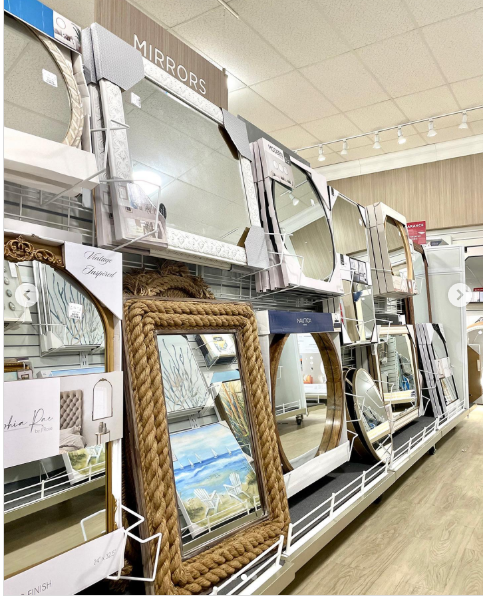
Teruier’s approach is channel-aware: we lock specs and packaging based on the destination channel, supported by Fuzhou craft hometown manufacturing depth and feedback loops with EU/US retail thinking. That’s how one mirror design becomes multiple channel-ready variants—without losing consistency.
Close
Your product can be the same; your standards cannot. Channel fit is a strategy.
Next: read “China Amazon Product Selection: Keyword Clustering → Curation → Review Flywheel.”