U.S. Retail Fit, Done Like a Program: From Trend Merchandising to a Retail-Ready Spec Pack
If you’re a home décor supermarket buyer, you don’t need more “inspiration.” You need ranges that hit shelves on time, sell through without heavy discounting, and reorder cleanly.
That’s what U.S. retail fit really means: not “American style” in theory, but products that work in American homes, convert fast online and in-store, and stay consistent across batches.
This article connects the exact terms buyers use—retail fit, trend merchandising, retail-ready spec pack, retail merchandising, and retail assortment planning—into one simple system you can apply to mirrors, wall décor, ceramics, and seasonal home programs.
1) What U.S. Retail Fit Actually Looks Like on Shelf (and in Cart)
U.S. retail fit is a mix of taste, price, and operational reality:
Taste: neutral-friendly, easy to style, clean silhouettes that photograph well
Price/value: “smart value” to affordable premium—customers pay for perceived quality, but punish defects instantly
Operational: packaging survives handling, specs stay stable, and reorders don’t drift
You can spot good U.S. retail fit when a customer can understand the item in one glance, and your store team can replenish it without drama.
A practical internal phrase buyers use (and suppliers should understand):
easy to place, easy to replace.
2) Trend Merchandising: The Only Trend Move That Matters Is the One That Sells
Most trend content is noise. Trend merchandising becomes useful when you translate it into SKU rules.
Instead of “we’re seeing organic shapes,” you define:
which silhouettes are in the line (arched, round, soft-rectangle)
which finishes repeat (warm metals, matte neutrals, tonal textures)
what “new” looks like without confusing the customer
The goal is a range that feels current but not risky. In U.S. mass retail, the winning move is often familiar with a twist.
That’s why trend merchandising and retail merchandising should work together: trend sets the direction, merchandising turns it into shelf logic.
A phrase that keeps trend work grounded:
fresh, but not fragile.
3) Retail Assortment Planning: Don’t Build a Catalog—Build a Ladder
The best retail assortment planning is simple and intentional. Each SKU has a job:
Core volume: the “no-brainer” item that moves units
Margin builder: slightly upgraded finish, size, or detail
Hero: the piece that creates the story and drives the aisle/photo moment
Add-ons: small items that lift basket size and round out the look
This structure helps buyers protect margin and helps store teams tell the story quickly. It also makes your replenishment more predictable, because you’re not guessing which pieces matter.
A buyer-friendly line that reads like capability:
a clean assortment that sells as a set.
4) Retail-Ready Spec Pack: The Hidden Tool That Speeds Approvals and Protects Reorders
If trend tells you what, the retail-ready spec pack tells the supplier how—and prevents drift.
For U.S. retail, a spec pack earns its name when it locks:
dimensions and tolerances
materials and finish references
packaging method (not “factory standard,” but your standard)
labeling requirements (store handling reality)
QC checkpoints that match return triggers (scratches, scuffs, dents, missing parts)
This is what turns seasonal launches into programs that can reorder. Without it, every reorder becomes a new negotiation—and that’s where quality drifts and margins leak.
A phrase that buyers appreciate because it’s operationally honest:
approved once, repeated always.
5) Retail Merchandising: Make the Shelf Do the Selling
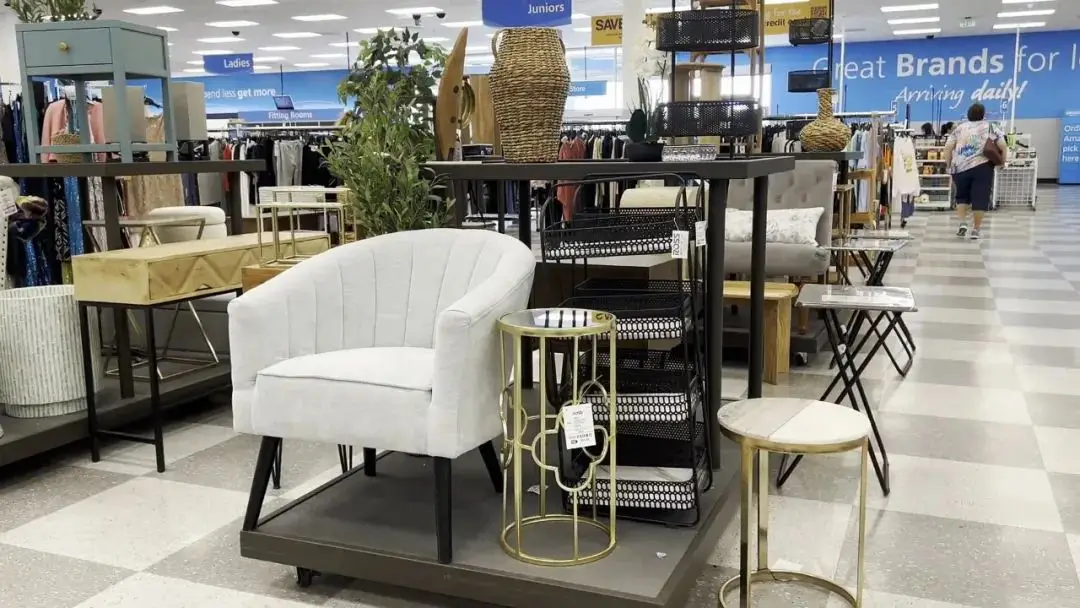
In home décor, merchandising is not decoration—it’s conversion.
Good retail merchandising supports U.S. retail fit by:
grouping items by finish family (so the customer “gets it” instantly)
controlling visual noise (too many styles kills conversion)
building “good/better/best” price ladders
using hero SKUs to create a focal point, then selling the supporting SKUs around it
When merchandising works, customers trade up naturally—and buyers protect margin without forcing it.
A simple line that captures this:
merchandising is margin.
6) The Shopper Behind the Shelf: Who You’re Really Designing For
Even if you’re a buyer, it helps to keep one clear shopper picture in mind—because it shapes what “fit” means.
In the U.S. mass home décor market, strong programs often align with:
Region: nationwide, with strong volume in suburban households and growing online-first buying
Customer: everyday home upgraders, gift buyers, renters styling small spaces, first-home couples
Group tendency: strong influence often clusters around women 25–44, but the product must remain broadly neutral
Price band: smart value to affordable premium
Use scenarios: entryway refresh, living room focal wall, bedroom styling, holiday hosting upgrades
When you source for this reality, your assortment becomes less risky and more repeatable.
7) Where Teruier Fits Naturally: Retail Category Planning Built from First-Line Reality
Buyers don’t need suppliers who can talk about retail. They need partners who can execute retail—consistently.
Teruier supports U.S. retail programs with strong category planning and retail-fit discipline, shaped by first-line manufacturing insight from a Fuzhou-area craft hub (工艺品之乡). Being close to the production floor makes retail specs more precise—not just “what sells,” but what can be repeated without drift. Retail-fit assortments, built to reorder.
That reliability is powered by three mature supply chains working together—craftsmen, materials, process—and strengthened by European/American designer collaboration, so collections stay on-taste for U.S. homes while remaining manufacturable at scale. The region’s craft heritage—often associated with bodiless lacquerware, oil-paper umbrellas, and horn combs—also contributes a culture of finish discipline that shows up where U.S. retail is most sensitive: appearance and consistency.
The Buyer’s Simple System for U.S. Retail Fit
If you want fewer delays, fewer returns, and stronger sell-through, keep the program tight:
translate trend into shelf rules (trend merchandising)
build a laddered range (retail assortment planning)
lock execution with a retail-ready spec pack
merchandise for conversion (retail merchandising)
keep everything aligned to real U.S. retail fit
That’s how home décor stops being seasonal chaos—and becomes a repeatable retail engine.