
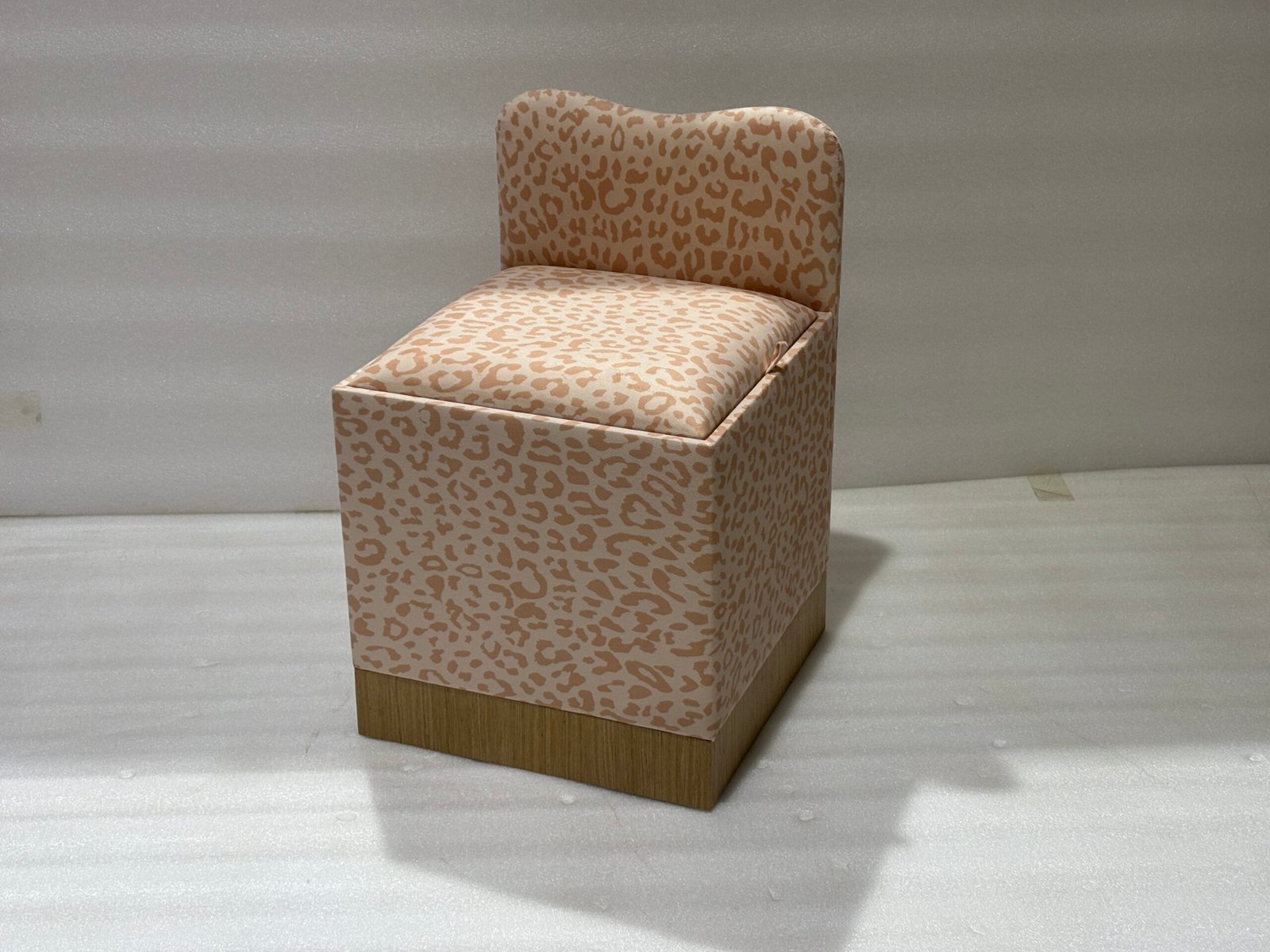
Toronto winter doesn’t negotiate. The snow turns to slush, the slush turns to salt, and every condo entryway becomes a tiny battlefield of boots, bags, and “where do we put this?”
As a Canadian shopping-centre buyer, I don’t buy a bench. I buy a behaviour change: sit down, pull off boots, hide the mess, and make a small home feel calmer in 30 seconds.
That’s why the Toronto shoe storage ottoman is not a “nice-to-have.” In Toronto, it’s one of the most reliable, repeatable utility purchases—if (and only if) the product is built for real winter living.
Toronto is a small-space market in disguise
Ontario’s property data is a useful reality check: new condominium apartments sold in Q2 2025 had a median area of 628 sq ft. That’s the customer context your assortment is walking into.
Small space doesn’t mean fewer purchases—it means fewer unforgivable purchases. Every piece must earn its footprint. For an entryway item, the bar is simple: hide clutter + add seating + look like décor, not storage.
The “clutter tax” is real—and it shows up in returns
This isn’t lifestyle fluff. In academic work on home environments, researchers found that how people describe their homes (including clutter and a stressful home feel) can correlate with daily patterns of mood and physiological stress (cortisol), especially for women in dual-income households.
Translation for retail: a shoe storage ottoman isn’t just about organisation. It’s about reducing daily friction. When a product reliably reduces friction, it becomes reorderable, not “seasonal.”
What the U.S. markets are signalling right now (and why Canada should listen)
Even when you’re buying for Canada, trend signals often show up first at major U.S. markets—then get adapted into Canadian realities (smaller spaces, harsher entryways, stricter practical expectations).
At Las Vegas Market conversations, “value” and “texture” are centre-stage again—buyers are looking for products that feel good and justify price through experience, not just styling.
Trade coverage going into Winter 2026 keeps describing buyers as more selective amid uncertainty (including tariffs)—meaning retailers need fewer SKUs with higher confidence, higher conversion, and clearer stories.
Performance fabrics have moved beyond utilitarian solids into pattern/texture that reads warm and designed—exactly what high-traffic entryway pieces need.
So the winning Toronto formula is: winter utility + tactile comfort + credible value.
The Toronto shoe storage ottoman: what actually sells (and what quietly fails)
Here’s what I look for before I greenlight a Toronto shoe storage ottoman for a mall floor set.
Make it “boot-real,” not “catalogue-perfect”
A common mistake is designing storage for sneakers and marketing it for winter. Toronto shoppers will test it with adult boots, wet soles, and bulky gear.
Buyer-ready requirements:
Storage geometry that fits winter footwear (depth, opening angle, usable internal height)
Stable seating (no wobble, no flexing, no lid slam)
Easy-clean reality (salt stains happen; fabrics must be chosen and finished accordingly)
Floor-friendly base for condos (protective glides; no scratching drama)
If you get these right, the product is quietly brilliant. If you miss them, reviews will tell the truth fast.
Texture is the sell, durability is the keep
In-store, customers buy with hands. Texture closes the sale. Durability keeps the margin.
This is where a Toronto shoe storage ottoman can connect naturally to your seating wall:
Pairing stories with commercial upholstered dining chairs (same colour family, same tactile cue, same “comfortable but hard-wearing” positioning)
Expanding to wholesale upholstered dining chairs for retailers who want a complete “small-space dining + entryway” capsule
Keeping vendor continuity with contract upholstered chairs when you’re also serving multi-family staging, student housing, or hospitality corridors
It’s one line review, one fabric story—multiple revenue lanes.
The B2B moment most suppliers miss: supplier readiness for retail review
Most products don’t fail on design. They fail at the line review table.
If you want Canadian retailers to say “yes” faster, you need supplier readiness for retail review—a clean pack that reduces buyer risk. Minimum expectations:
One-page spec sheet (dimensions, materials, weight capacity guidance, care notes)
Packaging specs (carton drop protection, corner reinforcement, compression resistance)
Consistency plan (how you lock fabric lots, foam density, hardware)
Sample speed and accuracy (a sample that matches production is a trust signal)
Retail ops readiness (barcodes/labels, assembly instructions, spare parts plan)
This is also the difference between being “a vendor” and being a preferred partner.
And yes—many buyers still source from a China home decor wholesale supplier ecosystem. But in 2026, the winners aren’t “lowest cost.” The winners are the suppliers who can show discipline: packaging, QC checkpoints, and repeatable production that doesn’t drift.
Where Teruier fits
Teruier’s edge isn’t just making the item—it’s making the item reorder-safe.
The Teruier cross-border design–manufacturing collaboration model means the buyer’s use-case (Toronto winter entryways, condo constraints, tactile selling) gets translated into factory-executable details.
Rooted in the Fuzhou craft hub , Teruier benefits from three supply-chain strengths that matter for upholstered storage seating: craftsmanship execution, stable materials sourcing, and repeatable finishing processes.
That’s how you turn “a good-looking ottoman” into a programme SKU that survives real customers, real shipping, and real reorders.
If you’re evaluating a Toronto shoe storage ottoman, ask for these five items upfront:
Boot-fit internal storage dimensions (not just “capacity”)
Lid/hinge durability + safe-close behaviour
Easy-clean upholstery options and care guidance
Packaging spec that protects corners and lid under transit compression
A retail review pack: spec sheet + production consistency plan + sample timeline
If a supplier can answer those cleanly, they’re not just selling product—they’re selling reliability.



