
The UK Buyer’s Shortcut: A Storage Ottoman That Sells Online and Reorders in Store
I’ll say the quiet part out loud:
Most “storage ottoman” sourcing fails after the sample.
The product doesn’t fail because it isn’t cute. It fails because it isn’t repeatable—and in the UK, repeatability is the whole job. If a storage ottoman can’t survive customer handling, parcel delivery, and a second reorder without drifting, it’s not a product. It’s a one-time photo prop.
So when I type UK storage ottoman supplier into my search bar, I’m not looking for the cheapest quote. I’m looking for a supplier who understands one modern reality:
Your ottoman is being judged by e-commerce first, and the shop floor second.
Why this category still matters (and why buyers stay cautious)
Home categories in the UK rise and fall with consumer confidence, but “furniture and furnishings” is still tracked as a meaningful slice of household spending by the Office for National Statistics (ONS), with scheduled releases and revisions like any serious retail dataset.
That’s why buyers don’t “try a few units and see.” We build programmes—small footprints, multi-use pieces, high visual impact, controlled risk.
A storage ottoman ticks all the boxes… if the supplier can support the channel demands.
The buyer’s definition of “e-commerce merchandising”
In 2026, merchandising isn’t just “nice lifestyle photos.” It’s a system:
clear dimensions and capacity that reduce returns
tight colour consistency (because customers compare screens)
packaging designed for delivery knocks, not showroom handling
imagery that meets marketplace rules (or your listing gets suppressed)
If a supplier can’t talk fluently about e-commerce merchandising, I already know how the project ends: we’ll spend weeks fixing content and photography, and the reorder will be delayed because the basics weren’t locked.
“Retail fit on Amazon” is a real sourcing standard now
Even if you’re a UK high-street retailer, Amazon often becomes the “shadow competitor” that sets customer expectations for visuals and clarity.
That’s why I now treat retail fit on Amazon as a checklist item. Amazon’s own guidance commonly requires clean, professional images and recommends at least 1,000 pixels on the longest side (to enable zoom and maintain quality).
If your supplier can’t support Amazon-ready assets (or at least the raw materials to create them), you’re not just buying an ottoman—you’re buying a content problem.
Sample staging and setup: the moment the truth shows
Here’s the thing suppliers underestimate: the sample doesn’t sell the product—your sample setup sells the programme.
When I evaluate a storage ottoman, I’m watching for whether the supplier can deliver:
a sample that looks the same under daylight, showroom, and studio lighting
consistent seams on corners (cube forms expose workmanship instantly)
a lid that sits flush, opens smoothly, and doesn’t drift after repeats
fabric hand-feel that matches the “premium” story you’re charging for
Strong sample staging and setup is a signal that the supplier understands retail pace. Weak staging is often a signal the factory is guessing.
The supplier type that survives UK retail pressure
A B2B home decor manufacturer who is serious about the UK market usually has three habits:
They lock the master reference (materials + inner structure + workmanship standard).
They control what’s allowed to change (colourways, legs, fabric families) without changing the core build.
They document the boring bits (QC points, packaging standard, carton marks, reorder lead-times).
And yes—UK upholstered products bring compliance expectations that buyers can’t ignore. The Furniture and Furnishings (Fire) (Safety) Regulations 1988 set requirements for domestic upholstered furniture supplied in the UK, and the UK issued amendments in 2025 (effective 30 October 2025) that businesses should understand when supplying the market.
A supplier who’s organised here feels “easy to buy from.” A supplier who’s vague here becomes a risk we can’t justify.
What “accent furniture wholesale” should look like in practice
Buyers don’t want endless SKUs. We want reorderable options built on the same core.
A smart storage ottoman programme for accent furniture wholesale usually looks like:
1 core neutral (high volume, lowest risk)
1 seasonal colour (keeps bays fresh)
1 texture hero (raises perceived value online)
Same structure, controlled variation. That’s how you protect margin and simplify forecasting.
Where Teruier fits (for buyers who hate reorder surprises)
Teruier’s advantage—when you’re sourcing storage ottomans—isn’t a single design. It’s the coordination discipline: translating what sells into stable specs, tightening workmanship checkpoints, and treating packaging/content as part of the retail outcome.
If you’re searching UK storage ottoman supplier because you need something that works online and on the shop floor, the winning question isn’t “What’s your MOQ?”
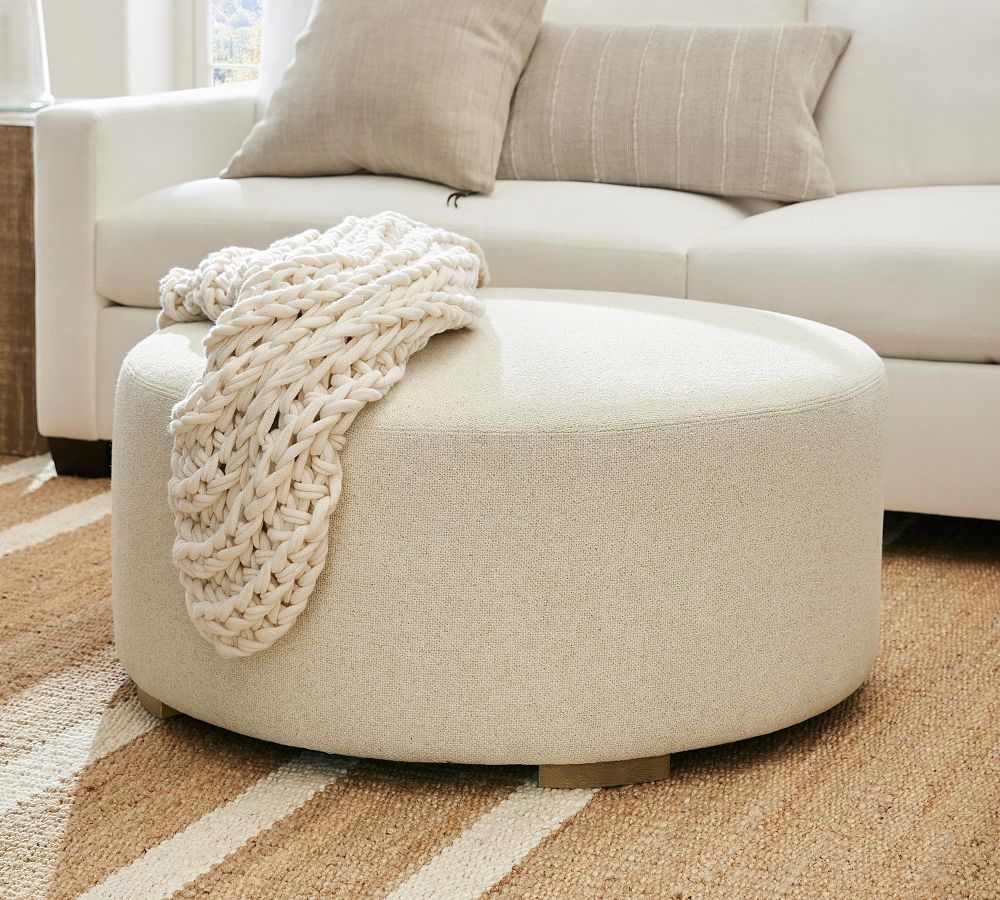
It’s this:
“Show me how you keep the second container identical to the first—plus the assets I need to sell it.”



