
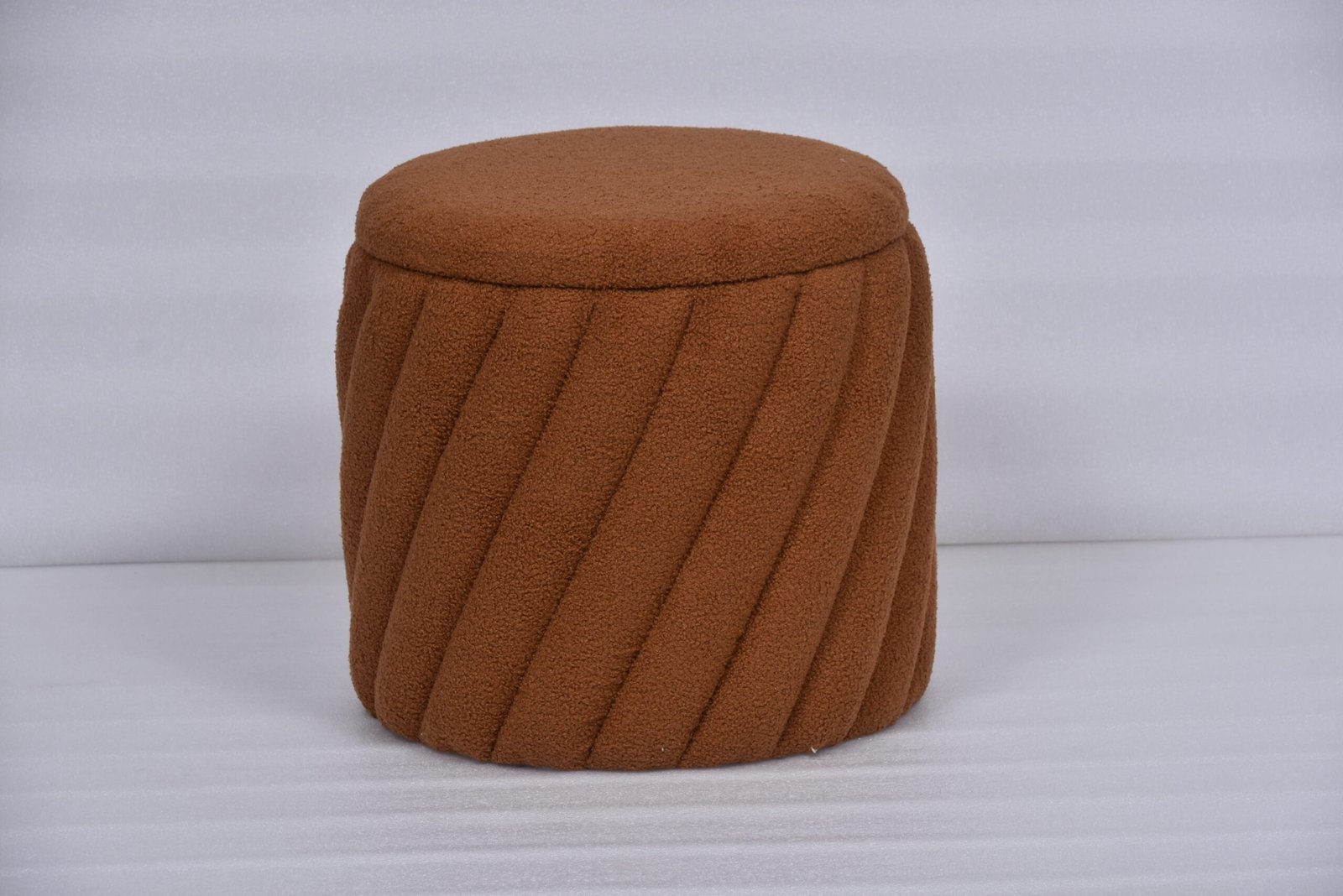
The Smallest “Luxury Signal” in a Boutique Hotel: One Ottoman, One Thousand Judgements
A boutique guest won’t remember your supplier name.
They will remember if the ottoman wobbles when they tie their shoes, pills after a week, or looks tired before the month is over.
As a German home retail buyer, I treat the boutique hotel ottoman as a serious programme item—because it sits right at the intersection of hospitality performance and “hotel-at-home” retail demand. It’s a small footprint SKU with an outsized impact on reviews, photos, and reorders.
What Europe is signalling for 2026: texture with discipline, not chaos
European fairs are not asking for louder product. They’re asking for meaning, tactility, and craftsmanship—but executed with systems.
Ambiente Trends 26+ frames three style worlds—brave, light, solid—for Ambiente 2026 (Frankfurt, 6–10 Feb 2026). In buyer terms: one hero accent, calm neutrals, and reassuring forms.
Heimtextil Trends 26/27 talks about AI meeting craftsmanship, “tangible textures” meeting generative patterns, and the rise of the “techno-craftsman.” Translation: texture becomes more spec-driven, not less.
Maison&Objet frames the direction as a return to knowledge, craft, and memory—design that feels human again.
So yes—bouclé, tailoring, and “soft luxury” are trending. But in contract contexts, the winner is the supplier who can reproduce them without drift.
The buyer persona this page is written for
If you’re reading this, you’re likely one of these:
A retail-chain buyer building a hospitality capsule (boutique hotels, serviced apartments, design-led rentals)
A project team needing contract-ready seating accessories (durability + documents)
A sourcing lead who needs reorders to be boring (the best kind of boring)
You don’t need another moodboard. You need a retail-ready spec pack and a supplier who understands chain execution.
The 5 ottoman styles that actually commercialise in boutique hotels
Here’s how I range it so it sells and survives:
Tufted storage ottoman: the “heritage luxury” look with hidden utility (throws, slippers, amenities). Storage is a win—if lid fit is perfect.
Skirted ottoman: soft tailoring that hides scuffs and visually calms the room—excellent for “light/solid” palettes.
Bouclé storage ottoman: tactile premium + function, but needs texture protection (packaging + handling) and consistent hand-feel.
Bouclé ottoman Germany: this search term exists for a reason—German buyers love calm neutrals with tactile value, but only when performance is documented and repeatable.
Ottoman supplier for retail chains mindset: not a style, a requirement—your supplier must run change control, QC checkpoints, and documentation like a programme.
The academic point hotels forget: touch is revenue
Hotel experience is multi-sensory, and “non-visual senses” (like touch) can deliver functional benefits and commercial gains—this is exactly what a well-built ottoman controls.
That’s why fabric feel, seam discipline, and stability matter more than one extra design flourish.
Contract basics buyers will ask for (keep it simple, keep it provable)
Two standards-language signals make procurement easier:
Abrasion / durability (Martindale method): ISO 12947-2 defines the Martindale inspection endpoint procedure for fabric abrasion testing.
Ignitability for upholstered seating (common in hospitality specs): EN 1021 testing (e.g., match-flame equivalent method) is widely referenced for upholstered seating assemblies; RISE summarises SS-EN 1021-2 test approach and evaluation.
You don’t need to publish test reports on your product page. But you do need to be able to provide them when a boutique hotel tender asks.
The retail-ready spec pack I request before I approve a programme
If you want me to treat you as an ottoman supplier for retail chains, send this with the quote:
Spec sheet + tolerances: height/footprint; if storage, lid alignment tolerance (flush means defined, not debated)
Bill of materials: fabric ID, foam feel target, inner boards, hinge method
Workmanship checkpoints: tuft spacing consistency; skirt/pleat straightness; seam alignment on corners
Performance evidence: ISO 12947-2 based Martindale method reference for upholstery fabrics
Hotel safety pack (when required): EN 1021-2 ignitability reference for upholstered seating assemblies
Packaging standard: corner protection + anti-compression plan (bouclé and skirts mark easily)
This is where “pretty sample” becomes “repeatable SKU.”
Where Teruier fits: cross-border value translation that protects reorders
Teruier’s cross-border design–manufacturing coordination is basically value translation: take 2026 European direction (brave/light/solid; techno-craft textures; craft heritage) and translate it into locked specs, QC checkpoints, and a documentation pack that hotels and retail chains can reorder without surprises.
Because in German buying, the rule is simple:
If the second shipment isn’t identical, the first shipment wasn’t a success.



