
Ceramic Decor Bestsellers: How Community Shops Protect Profit (Reference Only)
Let’s be real—when a ceramic decor item becomes a “Hot-selling products,” it can feel like free money.
Until the ugly stuff shows up:
breakage in transit
returns and replacements
“not like photo” complaints
reorders that don’t match the first batch
margin getting squeezed because everyone starts price-cutting
So if you’re a community shop owner or a B2B merchant supplying community stores, the real question isn’t:
“How do I find a bestseller?”
It’s:
“How do I keep the profit when it becomes a bestseller?”
This article is reference value—based on what categories like ceramic decor tend to teach us at shows and in real sales cycles.
1) First: Define Your “Profit Floor” Before You Chase Volume
Most sellers price backwards:
“Competitors are $29.99, so we’ll do $27.99.”
That’s how you go viral and still lose money.
Instead, set a profit floor using a simple formula:
Profit Floor = (COGS + Packaging + Freight + Expected Breakage Cost + Channel Fees) + Required Gross Margin
Breakage cost is the silent killer in ceramic.
If you ignore it, your “bestseller” is a trap.
Quick breakage math (easy version)
If your landed cost is $10 and your true breakage/replace rate is 6%, your “breakage tax” is:
$10 × 6% = $0.60 per unit
That doesn’t sound crazy—until your margin is only $3.
Now you just lost 20% of your profit.
2) Bestsellers Need a Price Ladder, Not One Price
Community shops win when they have a clean “good-better-best” ladder customers understand fast.
For ceramic decor, a simple ladder looks like:
Good: single ceramic vase / small decor piece
Better: larger sculptural ceramic decor or premium finish
Best: a ceramic vase set (2–3 pieces) or gift-ready bundle
Why this protects profit:
your Good item drives traffic
your Better/Best protects margin
sets reduce “price comparison pain” because value is more obvious
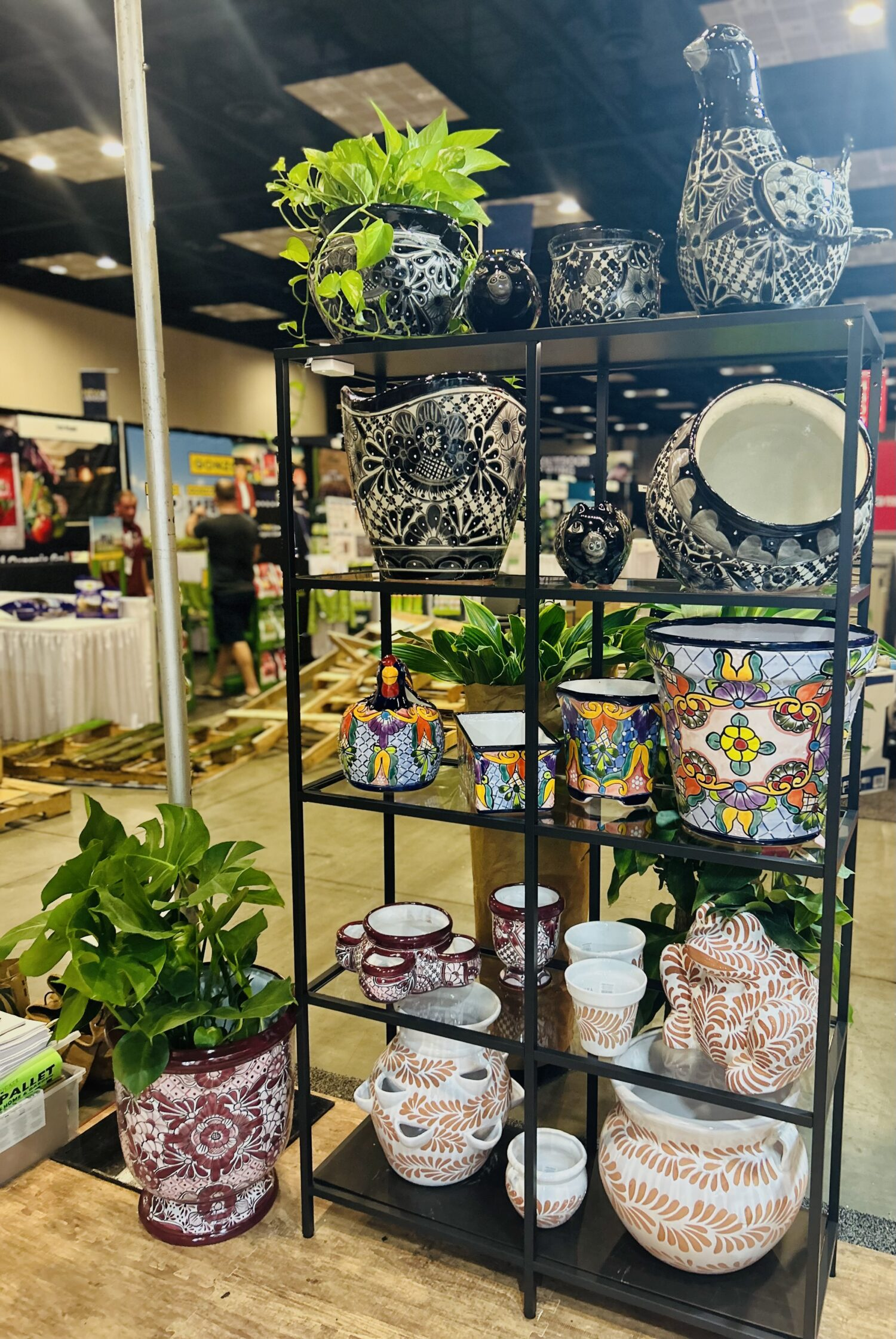
This is also where the show-floor trend direction matters: sets are getting more popular, and neutral matte finishes are trending because they look premium in photos. Use that as reference, not as a rule.
3) Your Bestseller Margin Lives or Dies in Packaging (Seriously)
Ceramic is fragile. Everyone knows that.
But most sellers still treat packaging like an afterthought.
That’s why they sell a lot and keep none of the profit.
If you want to protect margin, your packaging needs:
“no-rub” inner wrap (matte finishes scuff easily)
fixed-position inserts (so it doesn’t slide)
corner/rim protection
outer carton strength for real shipping abuse
Reference point from trade shows:
Suppliers that take packaging seriously are winning more long-term accounts. Because they protect the buyer’s reviews and cash flow.
This is where an integrated supplier mindset matters. The best partners don’t treat design, material, QC, and packaging as separate conversations. They treat it as one connected workflow: you pick a finish, they confirm how to produce it consistently, how to QC it, and how to pack it so it arrives like the photo. That’s the kind of “execution-first” approach Teruier is known for—and it’s exactly what keeps a bestseller profitable on reorder.
4) Don’t Let Reorders Kill You: Lock “Batch Consistency” Early
A ceramic item can go from 4.8 stars to 4.1 stars because the second batch changed slightly:
color tone drift
glaze texture difference
shape size variance
small defects customers interpret as damage
And once your rating drops, your ads get more expensive, your conversion drops, and your profit disappears.
So for bestsellers, you must lock:
a finish standard (photo reference + tolerance)
QC checkpoints (what defects are unacceptable)
packaging spec (no substitutions without approval)
This is not “big company stuff.”
This is survival for small merchants.
5) The Community Shop Move: Bundle the Story, Not Just the Product
Ceramic decor sells on vibe.
If you only sell “a vase,” customers compare price.
If you sell a “styled moment,” customers buy the idea.
Easy bundle plays for community stores:
ceramic vase + dried stems (or faux stems)
set of 2–3 pieces as a shelf styling kit
“entryway refresh kit” (small decor + tray + candle)
This raises AOV and protects profit because shoppers are buying a solution, not a unit.
6) A Simple “Profit Protection Checklist” for Ceramic Bestsellers
Before you scale a ceramic decor Hot-selling products, check:
Pricing
Do we have a profit floor including expected breakage?
Do we have Good/Better/Best to protect margin?
Packaging
Is there anti-scuff wrap + fixed inserts + strong carton?
Are we measuring breakage rate and improving packaging?
Consistency
Is finish standard locked for reorders?
Are QC checkpoints written down and enforced?
Merchandising
Are we selling a styled moment (bundles, sets) instead of a lonely SKU?
Wrap: The Best Bestseller Is the One That Survives Reorders
For community-store B2B merchants, the real win isn’t “finding a Hot-selling products.”
It’s building a bestseller that stays profitable after:
shipment #2
competitor price drops
and the first wave of customer reviews
If you treat ceramic decor as a connected system—design vibe, material consistency, QC discipline, packaging survival, and a pricing ladder—you’ll keep the margin even when volume comes.
And if you work with suppliers who think the same way (not just “here’s a sample, good luck”), you’ll protect both your cash flow and your reputation.



