The Ottoman Is the “Easy Yes” Item—Until You’re Buying for 200 Stores.
Ottomans look harmless on a line sheet. Small footprint. Great margin story. Easy add-on to a sofa set.
In buyer terms, it’s the kind of SKU that should quietly print money.
And that’s exactly why it can quietly ruin your season.
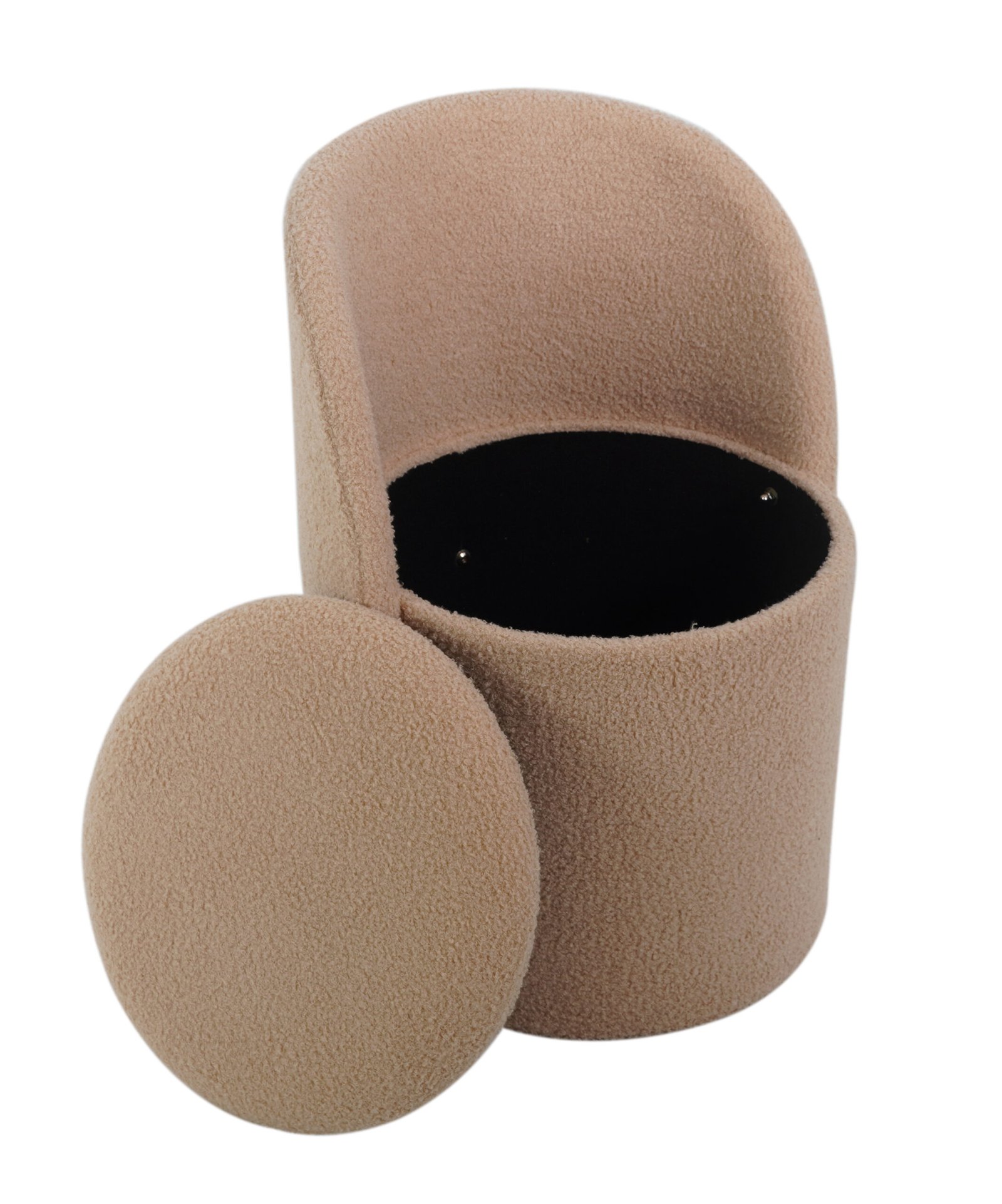
Because when you’re sourcing for retail chains, the ottoman isn’t just a product—it’s a repetition test. One silhouette, one texture, one color, multiplied across dozens (or hundreds) of locations, shipping lanes, and customer touchpoints.
Design media is right about one thing: ottomans are true multitaskers—footrest, extra seat, styling anchor—and they fit almost anywhere.
But the minute an ottoman becomes a chain program, “cute and cozy” turns into questions about damage rates, fabric performance, compliance labels, and whether the reorder matches the first PO.
So if you’re trying to position yourself as an ottoman supplier for retail chains, here’s what a U.S. home décor buyer like me is actually screening for.
Why Retail Chains Keep Buying Ottomans (Even When We Complain)
Ottomans work because they solve real retail problems:
They refresh a room story without resetting the whole floor.
They sell on touch (texture-driven impulse).
They support multiple price ladders (pouf → storage ottoman → bench).
The broader furniture market is still expanding, which increases assortment churn and forces buyers to keep introducing “newness” without breaking operations.
That’s why we keep coming back to ottomans: they’re a low-footprint way to stay current.
But the downside is brutal:
Ottomans are handled constantly. Customers sit, drag, pinch the fabric, scuff the legs, and judge quality in five seconds. In chain retail, “high-touch” becomes “high-risk.”
The Chain-Retail Reality: Returns and Damage Are Not Side Issues
If you’re selling into retail chains, you’re selling into a world where returns are a structural cost—not an exception. NRF projects total retail returns at $849.9B in 2025, with an estimated 19.3% of online sales returned.
That matters for ottomans because:
texture and color mismatch drives “not as pictured” returns,
transit dents and crushed corners become instant rejects,
inconsistent firmness or wobble becomes a quality complaint that spreads fast.
Translation: chain buyers don’t just buy the ottoman—they buy the risk profile.
My Checklist for an Ottoman Supplier for Retail Chains
1) Reorder sameness is the real product
The first shipment is a test. The second shipment is where you either become a vendor—or disappear.
A retail-chain-ready supplier can show:
a “golden sample” control process,
written tolerances (height, seat crown, leg alignment),
batch controls for fabric and color.
If you can’t explain how you stop drift, your ottoman is a one-off, not a program.
2) OTIF isn’t logistics jargon—it’s shelf availability
Chains live on calendars: floor set dates, promo windows, replenishment cycles.
OTIF (On Time In Full) measures whether you deliver the right quantity at the agreed time.
Miss OTIF and you don’t just annoy a buyer—you break a planogram.
If you want chain business, be ready to talk about:
lead time ranges by season,
milestone updates,
what happens when something slips (options, not excuses).
3) Upholstery durability needs a reference point buyers recognize
Ottomans are seat-adjacent. They get abused like seating.
A simple way to speak buyer-language is ACT’s voluntary abrasion guideline:
15,000 Wyzenbeek double rubs / 20,000 Martindale for low-traffic/private spaces
30,000 Wyzenbeek / 40,000 Martindale for high-traffic/public spaces
No, not every chain ottoman must be “contract grade.”
But if you can’t tell me what performance level you built for, I assume you built for photos.
4) U.S. flammability labeling readiness avoids launch delays
Chains hate surprises at the worst time (like when goods are ready to ship).
Under 16 CFR Part 1640, the labeling requirement includes the certification statement:
“Complies with U.S. CPSC requirements for upholstered furniture flammability.”
And California TB117-2013 is explicitly a smolder-resistance standard for materials used in upholstered furniture.
A serious ottoman supplier for retail chains can discuss this clearly—what documents they maintain, how they label, and how they align materials to requirements.
5) Packaging discipline is how you protect margin at scale
Most “product defects” I see on ottomans are actually packaging defects:
crushed corners,
rubbed fabric,
scuffed legs,
compression marks that never fully recover.
ISTA describes its 3-Series as general simulation tests designed to simulate transport forces and sequences.
Even if you don’t run formal ISTA testing on every SKU, the mindset must be there:
corner protection that expects drops,
abrasion barriers where fabric touches carton,
stable internal blocking so legs don’t punch through.
Because chains don’t grade you on effort. They grade you on damage rate.
What a Chain-Ready Ottoman Program Looks Like
If you want to win chain POs consistently, don’t pitch “one ottoman.” Pitch a program:
Good / Better / Best ladder
pouf / cube stool → storage ottoman → bench ottoman
2–3 core fabrics with defined abrasion story (ACT reference helps).
Neutral anchors + one seasonal texture
Standardized carton footprints to reduce freight chaos
A reorder plan (MOQs that don’t punish winners + realistic lead times)
This is how buyers build repeatability without resetting every season.
The 10 Questions I Ask Before Approving an Ottoman Supplier for Retail Chains
What’s your golden sample control process?
What are your written tolerances and reject criteria?
How do you control fabric lots and color drift?
What abrasion performance level are you targeting (and why)?
How do you prevent pilling/matting on high-touch textures?
Are you ready for 16 CFR 1640 labeling language and supporting records?
What packaging features specifically prevent corner crush and scuffing?
What is your OTIF discipline—how do you protect on-time, in-full delivery?
How do you handle quality escapes (rework/replace/credit policy)?
If the SKU hits, how fast can you replenish without changing the product?
If you answer these like a system (not like a sales pitch), you’re already ahead of 90% of suppliers.
The Bottom Line
Ottomans are popular because they’re easy to sell.
But becoming an ottoman supplier for retail chains isn’t about selling the first order.
It’s about earning the second order—by proving you can deliver:
reorder sameness,
OTIF reliability,
durability references buyers trust,
compliance labeling readiness,
and packaging that survives real transit.
Because in chain retail, the real product isn’t the ottoman.
It’s confidence at scale.