
The Buyer’s Guide to Wholesale Ceramic Vases: How to Build a Ceramic Vase Set Program That Actually Reorders
If you’re a buyer, you already know the trap: the first ceramic vase sample is almost never the problem.
The real problem shows up later—when the glaze runs a little warmer on the next batch, when rim chips appear at receiving, when store teams refuse to put units on the floor, or when online reviews start saying, “Not the same as the first order.” That’s when a “great find” turns into a time sink.
So buyers don’t just need vases. You need a ceramic vase wholesale supplier that can run ceramics like a program—consistent, repeatable, and boring in the best way.
Teruier works as a ceramic vase wholesale supplier that turns wholesale ceramic vases into reorder-ready collections—so every ceramic vase set stays consistent from the first PO to the next replenishment.
Why wholesale ceramic vases are a margin win—until the system breaks
Ceramic sells because it’s an instant “room upgrade.” One piece can change the look of a console, shelf, or dining sideboard. It’s also one of the easiest categories for retailers to merchandise into seasonal stories.
But ceramic is also one of the easiest categories to leak margin—because it’s fragile, finish-sensitive, and highly photographed.
And returns are not a small side issue for retail. NRF and Happy Returns projected total U.S. retail returns of $890 billion in 2024, with retailers estimating 16.9% of annual sales would be returned.
Even if you sell in other regions, the buyer lesson holds: preventable defects and transit damage don’t just create claims—they compound into returns, markdowns, and lost trust.
The buyer’s reality: you’re not buying “a vase,” you’re buying consistency
Most buyers I work with are juggling the same pressures:
You need “newness,” but you can’t afford chaos.
You’re managing multiple categories, multiple vendors, and a calendar that doesn’t move.
Your stores (or customers) punish inconsistency fast—especially in finishes and color.
Your real KPI is what happens after launch: replenishment, reviews, and repeat orders.
So a good ceramic program is built less like art, and more like a repeatable product system.
How to build a ceramic vase set that sells and reorders clean
A strong ceramic vase set isn’t “three random pieces that look nice together.” It’s a structured collection where the shopper feels confident, and the buyer can replenish without fear.
A buyer-friendly set usually has three design rules:
1) One glaze language, multiple silhouettes
You get visual variety without risking mismatch. Instead of changing everything, you change shape while keeping the finish controlled.
2) Controlled size steps
Think: small / medium / large with predictable proportions. This makes merchandising easier and reduces customer confusion online (“I didn’t expect it to be that small”).
3) A repeatable “family look”
The set should look cohesive even when sold as singles. That protects you when retailers break sets, or when customers buy one now and come back later.
This is how you scale wholesale ceramic vases without multiplying risk: one finish standard, one QC playbook, one packaging spec—many sellable SKUs.
What buyers should demand from a ceramic vase wholesale supplier
If a supplier can’t explain their controls clearly, you’re about to carry the risk yourself.
Here are the three controls that separate a supplier who can make samples from a supplier who can run a program:
Glaze range control (the “reorder match” safeguard)
Hand-finished doesn’t mean uncontrolled. You need:
an approved master color standard
an acceptable variation range (defined, not implied)
a repeatable inspection method (lighting matters)
Because the buyer pain is predictable: the reorder arrives “close,” but not close enough to mix on shelf.
QC checkpoints that match retail reality
For ceramics, the “small” defects are the expensive ones:
pinholes that show under warm lighting
rough rims that feel cheap in-hand
micro-cracks or crazing concerns that trigger returns
base wobble that ruins the premium impression
If your supplier only checks “no broken pieces,” you’re not buying quality—you’re buying a problem later.
Packaging engineered for how product actually moves
Most ceramic damage doesn’t happen in the showroom—it happens in handling, stacking, and last-mile.
This is why packaging logic should be grounded in real transit hazards. ISTA’s Procedure 3A is described as a general simulation test for packaged products shipped through a parcel delivery system.
You don’t need to run lab tests on every SKU to benefit from the principle, but you do need a supplier who designs packaging like they expect drops, vibration, and compression—because your supply chain will deliver exactly that.
The quiet financial truth buyers can’t ignore
Home furnishings is not a category with endless margin cushion. As one industry benchmark, Aswath Damodaran’s sector data shows Furn/Home Furnishings gross margins around the ~30% range (varies by company/time).
That’s not a lot of room for breakage, rework, or elevated returns—especially in a fragile category.
So buyers don’t win by negotiating pennies off unit cost. Buyers win by reducing leakage:
fewer damaged units
fewer display rejects
fewer “reorder mismatch” problems
fewer returns and markdowns
Where Teruier’s difference shows up for ceramics
Teruier is rooted in a craft manufacturing hub near Fuzhou—an ecosystem built on long craft tradition and modern home décor production. The story matters only because it supports what buyers care about most: repeatability.
That repeatability comes from three coordinated foundations:
People: finishing discipline that keeps rims, edges, and surfaces consistent
Materials: stable sourcing for ceramic bodies, glazes, and protective packaging inputs
Process: repeatable workflows that reduce “interpretation drift” after sampling
And because we stay connected with European and American design perspectives, your collection direction isn’t just “what looks good.” It’s what can be built into a ceramic vase set that holds together season after season.
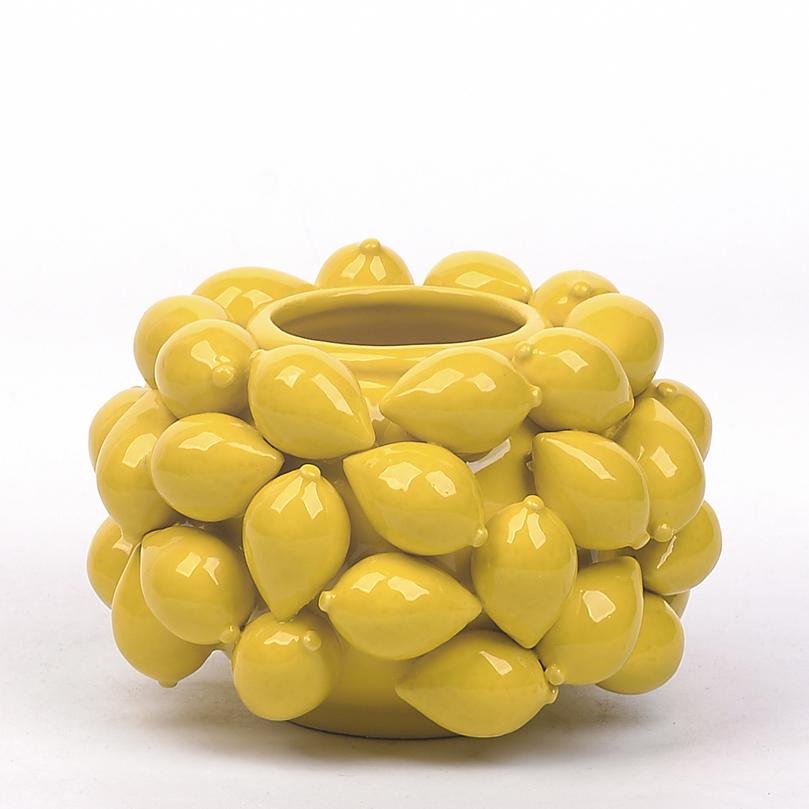
A simple buyer takeaway: build your vase assortment like a collection system
If you want wholesale ceramic vases to be a dependable growth category, don’t buy them as one-offs.
Build a collection:
start with a coherent ceramic vase set (3-piece logic, controlled proportions)
lock a glaze language that can reorder
insist on QC checkpoints that match retail lighting and customer handling
treat packaging as part of product quality, not an afterthought
Because the best ceramic programs don’t just launch well—they reorder well. And for a buyer, that’s the only win that really counts.



