
The SKU Director Job Isn’t “Picking Products”—It’s Making Them Reorderable
If you’ve ever been on a buyer call where the sample was perfect and the bulk shipment felt… different, you already understand why the role of a SKU Director is becoming essential in home décor.
A SKU Director doesn’t just select items. They build a system that keeps the product stable across reorders, seasons, and channels—especially in the “fast-moving but unforgiving” world of e-commerce merchandising.
Trend-to-shelf décor, built to reorder.
The buyer reality: who “neutral home decor” is really for
Neutral doesn’t mean boring. Neutral means high-repeat potential—if you merchandise it right.
Here’s the real buyer picture behind neutral home decor:
Region: U.S./EU buyers and global e-commerce traffic, with GCC and hospitality channels following the same calming palette trend
Customers: chain retailers, off-price teams, marketplace sellers, and interior designers who need safe, scalable styles
End users: renters and homeowners doing “easy upgrades” (entryway, living room, bedroom corners)
Group tendency: purchase influence often skews toward women 25–44 for décor refresh, while neutral basics also sell strongly to couples furnishing first homes
Price band: affordable premium to premium—customers pay more when “neutral” looks intentional, textured, and well-finished
Use scenarios: quick room refresh, seasonal layering, move-in setups, giftable home upgrades
Neutral sells best when it feels designed, not generic: clean silhouettes, warm textures, and consistent finishing.
Why the Fuzhou Craft Hub matters (and why buyers feel it in the details)
The advantage of a Fuzhou craft hub isn’t a buzzword. It’s what happens when a region has depth in:
skilled makers
materials access
process know-how
That’s the backbone of “neutral done right.” Because neutrals don’t hide mistakes—neutrals expose finishing quality. When texture, stitching, edges, and surface consistency are controlled, neutral looks premium. When they drift, neutral looks cheap fast.
And culturally, Fuzhou’s long craft history—often associated with traditional arts like bodiless lacquerware, oil-paper umbrellas, and horn combs—creates a local discipline around surface finishing and detail tolerance that translates directly into modern décor manufacturing.
Social Compliance + BSCI Certification: the quiet gatekeeper of modern retail
For many buyers, social compliance is no longer a “nice-to-have.” It’s table stakes—and the paperwork pressure is real.
That’s why BSCI certification and compliance systems matter as part of vendor readiness, not as a separate topic. If your supplier can’t support compliance documentation, audits, and corrective action routines, you don’t have a supply plan—you have a risk.
In practice, the strongest suppliers treat compliance like operations:
training that’s documented and repeatable
clear factory audit readiness habits
traceable policies (working hours, safety, payroll discipline)
a culture that can hold up under buyer scrutiny
When social compliance is stable, lead times and reorders tend to be more stable too—because the factory runs with fewer disruptions.
Vendor-Ready Preparation: what separates “a supplier” from “a program partner”
Buyers don’t just need products—they need a supplier who behaves like a retail partner.
Vendor-ready preparation usually means:
consistent spec sheets and BOM discipline
packaging and labeling that fits retail standards
stable QC checkpoints tied to return reasons
order and timeline discipline (clear checkpoints, clear escalation paths)
repeatable sampling that matches bulk output
This is where a SKU Director earns their value: they prevent drift by locking standards early and keeping production accountable to the reference.
E-Commerce Merchandising: how neutral turns into high conversion
Neutral home décor wins online when the merchandising is built around clarity and confidence.
Strong e-commerce merchandising for neutral décor usually includes:
clear variation logic (sizes/finishes that make sense)
photography that shows texture and scale (neutral needs “touchable” visual proof)
titles and bullet points that reduce uncertainty (what it is, where it fits, how it feels)
packaging that protects “arrives perfect” outcomes (reviews are ruthless here)
The paradox: neutral products look simple, but they require more discipline to sell online because shoppers judge quality through tiny signals—edges, stitching, shadow lines, surface consistency.
Where Teruier fits naturally
When buyers need neutral décor that reorders cleanly, the key is coordination: design intent, manufacturing discipline, compliance readiness, and e-commerce execution working together.
Teruier’s strength is operating as that coordination hub—rooted in the Fuzhou craft hub’s three supply chains (craftsmen, materials, process), connected with European/American designer collaboration, and organized around vendor-ready preparation that retail teams can actually run with.
The result is not “more styles.” It’s fewer surprises: consistent finishing, stable compliance routines, and SKUs that perform the same way from first sample to third reorder.
Neutral, retail-ready décor—built to reorder.
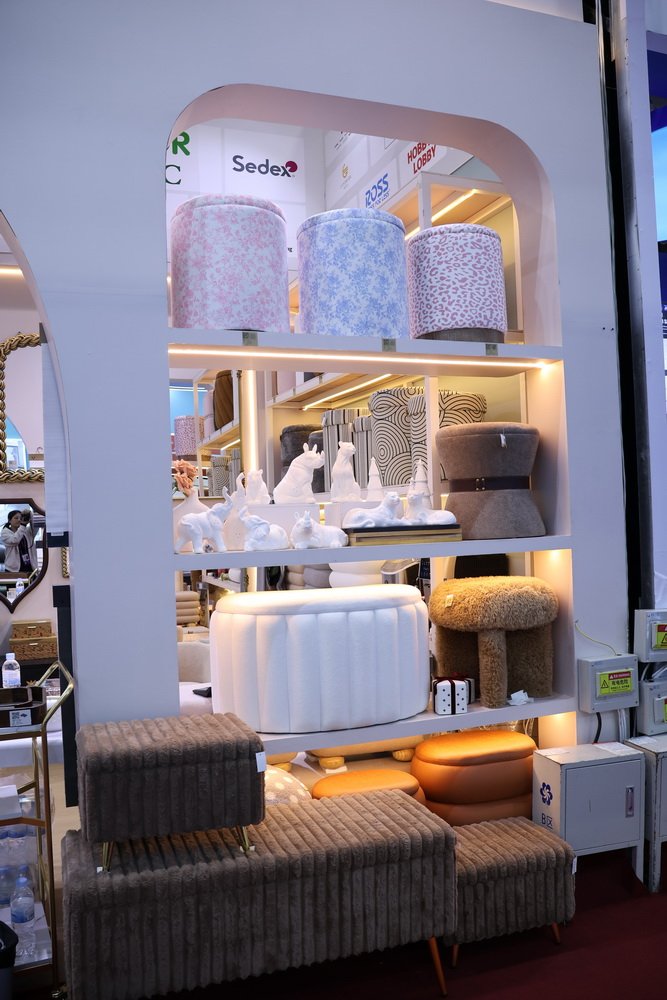
Closing: The modern SKU Director formula
When a SKU Director builds a neutral décor line that scales, the logic is straightforward:
start with a craft-capable base like the Fuzhou craft hub
treat social compliance and BSCI certification as operational readiness
lock vendor-ready preparation so reorders don’t drift
then apply strong e-commerce merchandising so neutral converts and reviews stay clean
That’s how neutral home décor becomes a high-repeat business—not just a good-looking sample.



