
Product Selection for Sellers: Turn a Home Décor Style Review Into a Wholesale Assortment That Actually Sells
If you sell home décor online or through retail channels, you’ve probably felt the trap:
You can find thousands of “nice” items in wholesale home decor.
But only a small percentage become repeat sellers. The rest turn into slow inventory, discounts, and dead cash.
That’s why product selection for sellers isn’t about having good taste. It’s about building a system that turns trend signals into a clean assortment strategy, backed by wholesale home decor suppliers who can actually deliver consistency.
At Teruier, we approach this differently. We’re rooted in a Fuzhou-area craft hub—often called a true “craft hometown”—with deep decorative craft history (including classic Fuzhou heritage crafts like bodiless lacquerware, oil-paper umbrellas, and horn combs). That history shaped a culture of precision and finishing discipline. Today, the region supports modern home décor categories through a complete ecosystem powered by three supply chains:
craftsmen, materials, and process.
We combine that execution base with ongoing collaboration from European and American designers who track what buyers and consumers actually want—so style choices aren’t random, and SKUs don’t feel generic.
Here’s a practical way to turn a home décor style review into a profitable wholesale program.
1) Start With a Home Décor Style Review—But Make It Commercial
A style review is useless if it stays as inspiration photos. A seller needs outputs that lead to buy decisions.
A strong home décor style review should produce:
3–5 trend directions (not 30)
a buyer persona for each (who will purchase it and where)
a price tier (entry, mid, premium)
a product family list (what categories to build around the trend)
Example of trend directions that convert into real assortments:
warm organic shapes
modern classic metallic accents
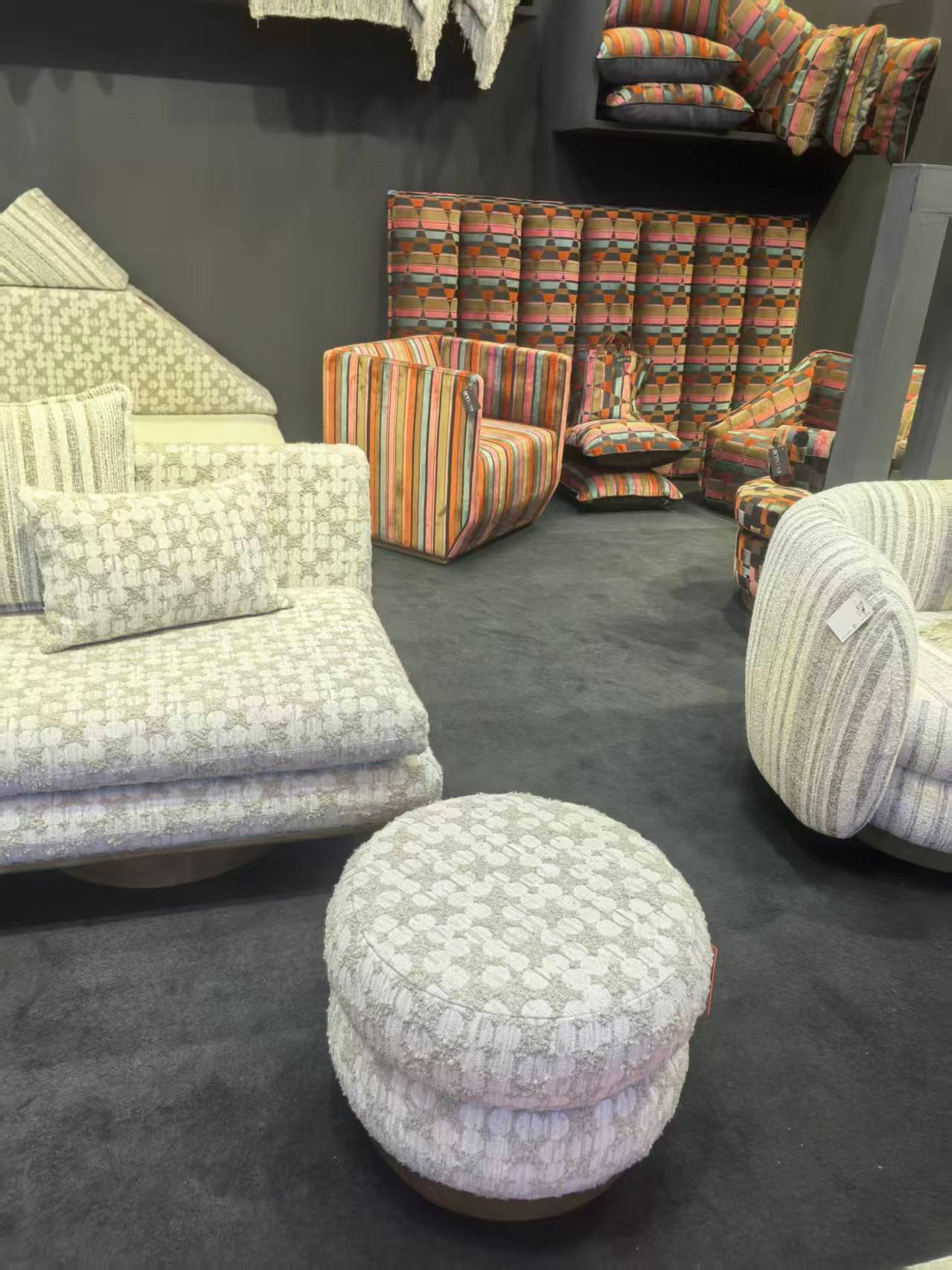
textured neutrals (stone, ceramic, bouclé-like surfaces)
coastal lightness with natural materials
The job isn’t “spot trends.” It’s “turn trends into SKUs.”
2) Product Selection for Sellers: The 6 Filters That Prevent Slow Inventory
Before you add any item to your cart, run these six filters:
Visual read in one second
If it doesn’t pop in a thumbnail or on a shelf, it won’t move.Merchandising flexibility
Can it be styled across seasons? (Spring/Summer vs Fall/Holiday)Shipping survivability
Can it be packed to survive long-distance shipping without high damage rates?Price ladder potential
Can you offer good/better/best versions to increase average order value?Repeatability
Can your supplier reorder it consistently, with stable materials and finishes?Differentiation
Does it look like everyone else’s catalog, or does it have a “signature” detail?
These filters are how sellers stop buying “pretty products” and start buying profit.
3) Assortment Strategy: Build a Program, Not a Random Catalog
Your assortment strategy should make buying easy for customers and reordering easy for you.
The simplest winning structure: Good / Better / Best
Good: entry-price items that drive volume (simple shapes, fewer options)
Better: your main seller tier (best balance of margin and sell-through)
Best: hero statement pieces that create brand pull (higher margin, lower volume)
Add one more layer: “Core + Seasonal”
Core items: reorder year-round, stabilize cash flow
Seasonal items: limited drops that refresh the shop and boost conversion
This structure works whether you’re selling on marketplaces, DTC, or supplying retail.
4) Why ODM Home Décor Manufacturing Changes the Game
ODM home décor manufacturing isn’t just “factory makes it.” Done correctly, ODM lets you build your own assortment identity without owning a factory.
A strong ODM partner helps you:
convert a trend direction into cohesive collections
control specs (materials, finishes, packaging standards)
develop prototypes quickly and repeatably
maintain stable lead times for reorders
But ODM only works if the supplier has a real product system—otherwise it becomes endless sampling and inconsistent output.
5) What to Look For in Wholesale Home Decor Suppliers
When searching wholesale home decor suppliers, don’t start with “lowest price.” Start with “lowest risk.”
A supplier worth scaling with should provide:
clear spec sheets (dimensions, materials, finishes, tolerances)
packaging standards and drop protection logic
QC checkpoints they can explain
consistent material access (no random substitutions)
a sampling timeline that doesn’t drift
reorder stability (this is where real profit lives)
This is where a craft-hub ecosystem helps. In the Fuzhou-area supply base, the three supply chains matter:
Craftsmen supply chain: skilled finishing and assembly discipline
Materials supply chain: stable access to the components that keep quality consistent
Process supply chain: repeatable workflows and QC routines that protect reorders
That’s the difference between “a supplier” and “a long-term program partner.”
6) European & American Designers: Keeping Your Wholesale Assortment Modern, Not Generic
A lot of wholesale décor looks the same because everyone buys from the same trend pool.
We use European and American designers in a very practical way:
refine proportions (so pieces feel premium, not bulky)
define finish cues (what looks “current” in Western homes)
build cohesive collection logic (so a seller can cross-sell easily)
Then the craft-hub execution makes those designs manufacturable and consistent at scale.
This is how sellers build a catalog that doesn’t feel copied.
7) A Practical Workflow: From Style Review to Purchase Order
Here’s a simple end-to-end workflow you can run every month:
Home décor style review → select 3–5 directions
Build a collection map (10–20 SKUs max per drop)
Apply the 6 product selection filters
Choose a good/better/best ladder + core/seasonal split
Request samples with spec sheet + packaging requirements
Pilot order, track sell-through and damage/returns
Scale winners, kill or revise losers
This is how sellers stop guessing.
Closing: Wholesale Success Comes From Systems, Not Random Picks
If you want consistent growth in home decor accessories wholesale, you need more than suppliers—you need a repeatable selection and assortment engine.
Combine:
disciplined product selection for sellers
a commercial home décor style review
a clear assortment strategy
and reliable ODM home décor manufacturing with the right wholesale home decor suppliers
…and you’ll build a wholesale program that sells through and reorders.
That’s where Teruier’s difference shows up: EU/US design collaboration plus a Fuzhou craft-hub supply chain built on craftsmen, materials, and process—turning trends into SKUs, and SKUs into repeat orders.



