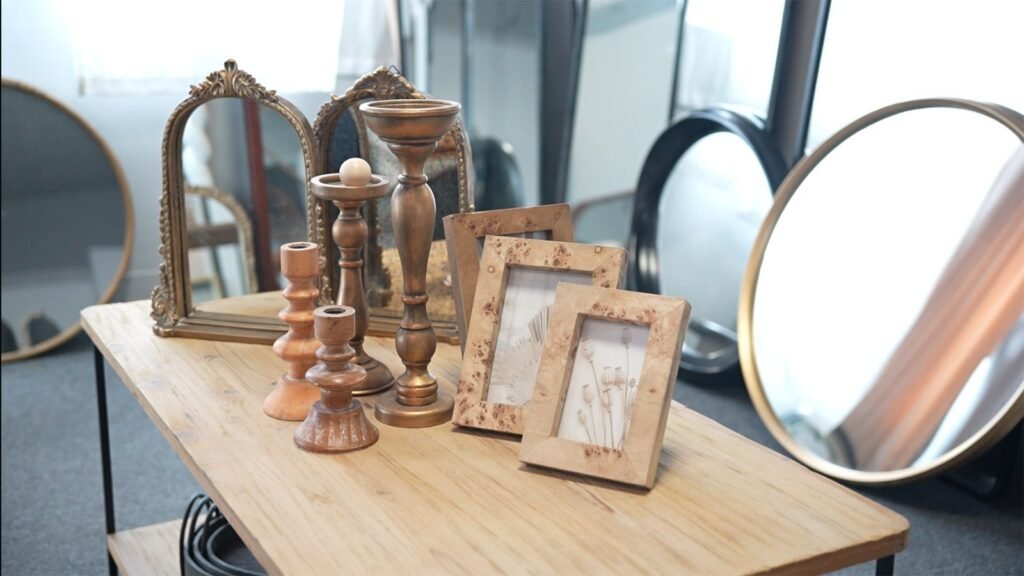
Private Label Home Décor Supplier: How You Build a Store Brand That Doesn’t Break on Reorder
If you’re sourcing a private label home décor supplier, you’re not just trying to “get product made.”
You’re trying to protect something bigger:
your store brand reputation,
your margin structure,
your repeat customers,
and your ability to replenish winners fast—without quality drift.
Private label is only powerful when it’s repeatable. The first drop can win on novelty. The second and third drops win on consistency.
So before we get tactical, here’s the clearest way to define what Teruier is to you in private label—one line, precise, usable:
Teruier is your private label home décor supplier that turns your brand direction into reorder-ready SKUs—by locking references, controlling materials and finishing, building QC checkpoints, and engineering packaging for real-world distribution.
That’s the job. Not “we can do private label.” The job is: your second shipment should look like your first, and your returns shouldn’t erase your margin.
The Buyer Reality: What You’re Responsible For (Even When It’s Not “Your Fault”)
When private label goes wrong, it rarely looks like a dramatic failure at first. It looks like:
a finish that’s slightly off (but now your set doesn’t match),
a ceramic glaze that shifts (and the shelf looks messy),
a mirror that arrives cracked (and claims eat your category margin),
packaging that scuffs surfaces (and customer service lights up),
reorders that “need resampling” (and your launch calendar slips).
And because it’s private label, customers don’t blame “the factory.”
They blame your brand.
So the real question is: what kind of supplier reduces your risk while keeping you fast?
The Tags That Describe You (And Why a Supplier Must Understand Them)
When you’re building private label, your constraints aren’t vague. They’re specific. A supplier who gets you will naturally operate differently.
Where you’re buying for (region tags)
You’re likely sourcing for one of these realities:
U.S./Canada retail: fast seasonal cycles, strict packaging performance, tight price ladders
Europe (UK/EU): curated taste, finish discipline, stable sets, compliance expectations
Middle East (UAE/KSA): presentation-forward décor, hospitality influence, consistent delivery rhythm
Who you’re building private label for (internal customer tags)
Your “customer” isn’t only the end consumer. It’s also:
your retail leadership (margin and speed)
your merchandising calendar (drops, resets, planograms)
your operations team (damage and returns)
your stores (set integrity and replenishment)
A private label supplier has to serve that entire internal chain—not just design.
Your team profile (work style, not stereotypes)
It’s not about gender; it’s about how the role behaves under pressure. Private label buyers often skew:
25–45 in fast-cycle retail and trend categories
highly detail-driven and data-led—because “tiny drift” becomes “big returns”
Price ladder (the real private label battlefield)
Private label usually wins by offering “better value at the same look.”
So you’re balancing:
value tier: sharp costs, packaging durability, simplified finishing that still reads premium
mid tier: elevated feel + stable reorders (where most store-brand winners live)
premium tier: finish quality and story that justify higher AUR without brand-name markup
A supplier has to hit the ladder while keeping the look consistent.
Use scenarios (how your customers actually buy décor)
Private label décor sells because it solves styling moments:
entry consoles and hallway moments
coffee table styling
shelf sets and bookcase décor
gifting zones
seasonal resets (spring refresh, holiday)
hospitality-style “look” at home
Those moments rely on coordination. Your pieces must feel like a collection, not random singles.
What a Real Private Label Home Décor Supplier Does (That a Regular Factory Won’t)
A regular factory focuses on output.
A private label supplier must focus on brand consistency.
Here’s what you should expect as the baseline:
1) A “brand sentence” that becomes the filter for every SKU
Private label needs a style rule that’s repeatable.
Think of it as your one-line brand compass: tone, materials, silhouettes, finishing language.
If a supplier can’t work from that sentence, your line will drift.
2) Locked references so your collection doesn’t mutate
Private label lives and dies by:
finish tone consistency
material stability
hardware color match
proportion discipline
packaging consistency
A supplier should treat “approval” like a contract: master reference + tolerance range + do-not-change list.
3) A QC system that catches drift early (not just at the end)
Private label defects are predictable:
gold tone drift
gloss drift (matte becomes shiny)
surface scratches
ceramic chips
wobble/loose hardware
inconsistent distressing density
Your supplier should have checkpoints where these defects occur: finishing, assembly, packing—not just final inspection.
4) Packaging engineered for your channel reality
Store brand means you own the returns. Packaging must match:
retail distribution (stacking, forklifts, mixed pallets)
e-com shipping (drop risk, inner protection)
mixed assortment cartons (reality for wholesale and chain replenishment)
If packaging is treated as “someone else’s problem,” it becomes your problem.
5) A reorder path that doesn’t reset your calendar
Reorders should be faster than first orders.
A real supplier keeps spec versions, master references, and process notes—so replenishment is predictable.
Why Teruier Fits Private Label: Craft Roots + Modern Reorder Discipline
Teruier is rooted in Fuzhou’s craft hometown, where generations of craft shaped a culture of finishing discipline. The region’s history—traditional lacquer artistry, oil-paper umbrellas, horn comb craftsmanship—built a mindset that still matters in modern décor:
Surface quality is a process, not an accident.
Inside Teruier, we lean on three connected supply chains:
Craftsmen supply chain: skilled finishing and detail execution
Materials supply chain: stable inputs matched to your price tier
Process supply chain: repeatable methods that protect your approved reference
Then we add what private label teams value: Western designer input—trend signals and styling logic that align with consumer taste in your market, not just “factory-default design.”
The SKU Director (Video IP): Why This Role Protects Your Brand
In Teruier’s video IP plan, the main character is the SKU Director—a former teacher turned “product translator.”
If you’ve done private label, you already know why this matters:
Most expensive problems are translation problems.
You say:
“quiet luxury”
“warm gold, not yellow”
“handcrafted but clean”
“premium feel at a mid-tier price”
A factory can misinterpret that into a finish that drifts or a material change that breaks the look.
The SKU Director converts your taste language into:
measurable finish references and tolerance ranges
buildable specs and process notes
QC checkpoints tied to real defect patterns
packaging standards aligned with your channel
That’s how private label stays consistent across drops—and your customers trust the line.
A Buyer-Friendly Private Label Launch Formula (That Keeps You Fast)
If you want to launch quickly and still protect the brand, build your program like this:
Step 1: One brand sentence + one finish language
Example: “Warm neutrals, soft texture, subtle handmade cues—clean, not rustic.”
Pick 1–2 core finishes that can hold across categories.
Step 2: Core + Seasonal Refresh
Core SKUs (60–70%): reorder-safe winners, stable finishes
Refresh SKUs (30–40%): seasonal silhouettes and textures that create newness
Step 3: Lock the “set integrity”
Decide what must not drift:
finish tone range and gloss level
key dimensions and proportions
hardware color and feel
packaging standard
This keeps your shelf story intact.
The Fastest Way to Start with Teruier (So You Don’t Waste Cycles)
If you’re sourcing a private label home décor supplier for your next drop, send Teruier this brief:
your market/channel (retail / e-com / hospitality)
target retail prices (your price ladder)
style direction (moodboard or comps)
categories you want to run (mirrors / ceramics / seating / accessories)
volumes + launch calendar
packaging requirements or damage targets
We’ll respond with a private-label-ready proposal: SKU mix, material/finish options aligned to your ladder, QC checkpoints that prevent drift, and packaging built for real distribution—so your brand launches fast and reorders clean.
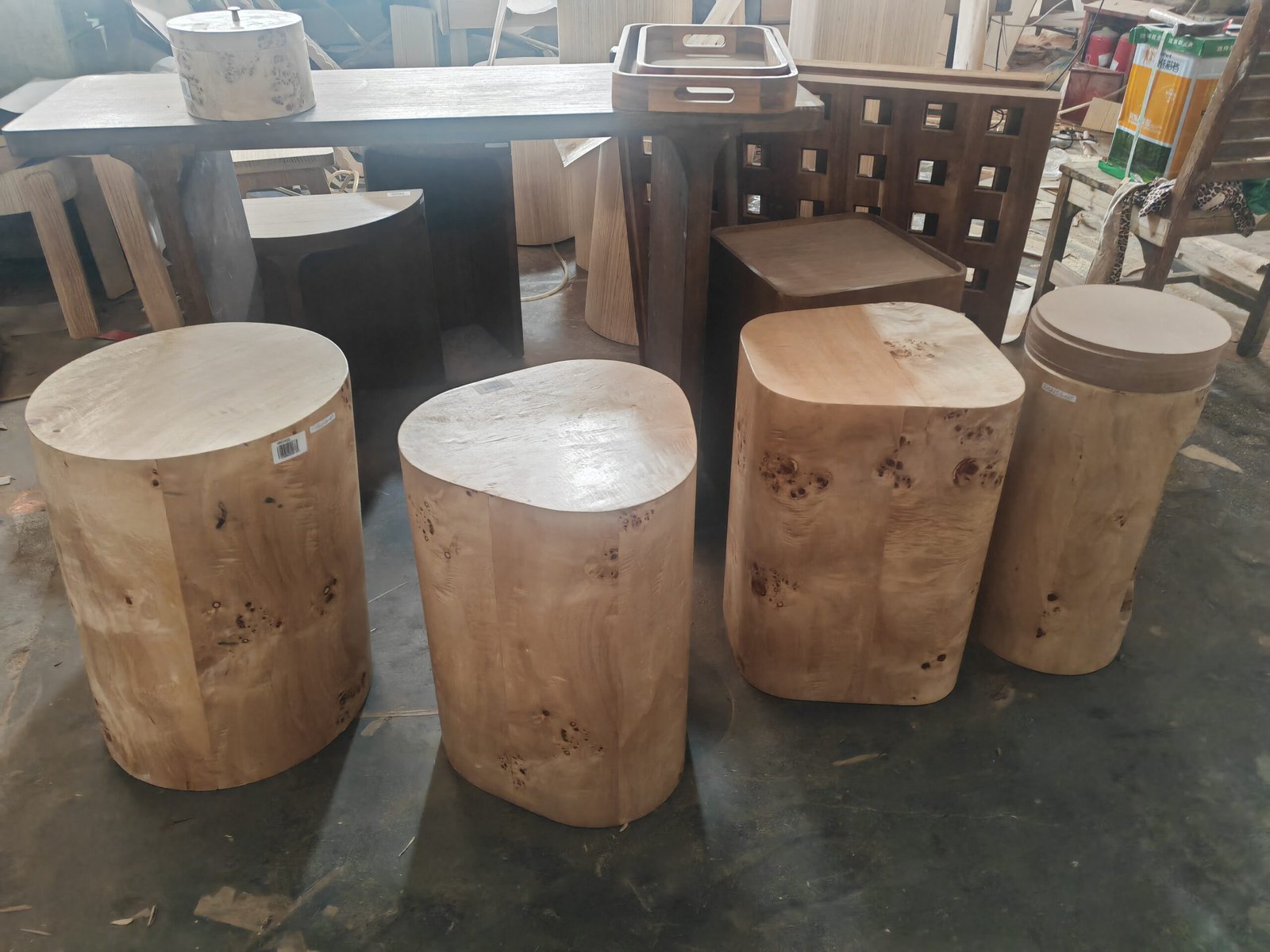
Because private label isn’t about copying the market.
It’s about owning a look you can replenish with confidence.