
Let’s start with an unpopular truth:
A beautiful striped vase is not a retail program.
A gorgeous ribbed ceramic vase is not a margin strategy.
And a charming fish motif ceramic platter that shows up chipped? That is not “artisan character.” That is a claims report wearing lipstick.
So today’s launch is not about ceramics as decoration.
It is about ceramics as a system.
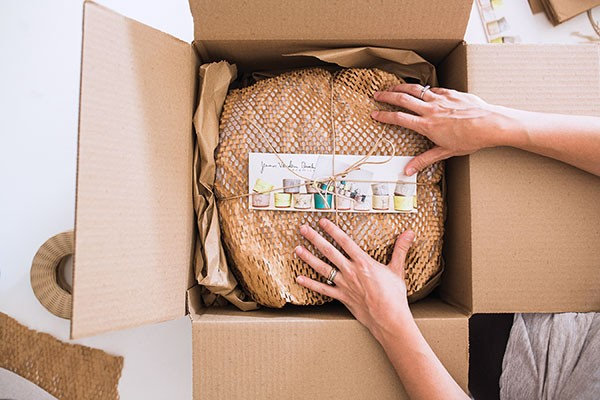
This is what ceramic packaging to reduce breakage should actually mean for a chain-store buyer in 2026: not more foam, not more cardboard, not more supplier optimism dressed up as packaging. It means a packaging-and-QC solution built around what the product is, where it ships, how it merchandises, how it gets handled, and whether it can survive the very glamorous journey from factory line to back room to shelf to customer home.
Because if the product is expressive but the protection is lazy, congratulations—you have designed a return.
Why this matters right now
The North American buying mood has already shifted. NY NOW’s Winter 2026 outlook pointed to bolder colors, florals, and products that create emotional bonds through sensory engagement. Las Vegas Market Winter 2026 positioned itself as a major sourcing hub with 3,500+ product lines, and its post-show reporting highlighted strong new-buyer activity and strong order writing. That is the context your ceramic assortment is walking into: more visual personality, yes—but buyers still need operational discipline, not just pretty silhouettes.
That is why categories like cabbageware ceramics, grandmillennial china decor, and sculptural vases are getting attention again. They are nostalgic without feeling dusty, decorative without being generic, and highly photogenic for modern e-commerce merchandising. But they also come with an old problem in a fresh outfit: fragile edges, glaze sensitivity, and a breakage curve that can quietly ruin a good-looking buy.
What this solution actually is
Think of this as a retail-ready ceramic program, not a carton spec.
A serious ceramic packaging to reduce breakage solution has four layers:
1. Shape-aware packaging design
A tall ribbed ceramic vase does not fail the same way a low, wide fish motif ceramic platter fails. One is vulnerable at the neck and sidewall. The other is vulnerable at the rim and face pressure. A good supplier designs internal protection around actual geometry, not one-size-fits-none filler.
2. Channel-aware carton logic
Store replenishment, wholesale master-carton shipment, and parcel fulfillment are not the same game. If the same pack plan is being used for all three, somebody is cutting corners. Usually your corners. Sometimes literally.
3. Surface-aware protection
This is where glaze consistency QC matters. The product does not need to shatter to become unsellable. Uneven glaze pooling, rub marks, pinholes, color drift across a set, and surface abrasion during transit can all turn a technically “intact” ceramic into dead inventory.
4. Service-aware handoff
A good program includes customer service manager preparation before launch: what replacement rules apply, what defect thresholds are acceptable, what photography standards define “damage,” and how quickly replenishment or claims support can be processed. Because nothing says “we didn’t think this through” like a team discovering the damage policy after the complaints start.
This is not guesswork. Packaging is a real discipline.
Packaging is not the boring intern of product development. It is its own field. Michigan State University describes its School of Packaging as the first, largest, and most comprehensive packaging school in higher education, while Clemson notes that packaging science is one of only a few undergraduate programs of its kind in the U.S. In other words: if packaging is being treated like an afterthought, that is not normal. That is amateur hour.
The standards side matters too. Amazon states that packaging certification requires a physical performance test, and that it uses ISTA-developed test methods to simulate the journey through Amazon’s fulfillment network. ISTA explains that its 3-Series procedures are general simulation performance tests designed to replicate the damage-producing motions, forces, and conditions of real transport environments. Translation: serious suppliers should be able to talk about packaging in terms of actual transit risk, not vibes.
A buyer-facing launch example: the kind of case Teruier’s selection intelligence is built for
Here is the kind of assortment brief a U.S. chain buyer would actually care about.
A spring-summer tabletop and gift reset needs:
- 1 striped vase for entry console and shelf styling
- 1 ribbed ceramic vase for neutral, all-season placement
- 1 fish motif ceramic platter for wall, tabletop, or hostess gifting
- 1 cabbageware ceramics piece for trend storytelling
- 1 grandmillennial china decor SKU for layered, nostalgia-driven displays
The old supplier approach is simple: make the ceramics, wrap them, hope the master carton behaves, and let retail deal with the rest.
The better approach—the Teruier-style, cross-border design-manufacturing coordination approach—is to ask five uglier but smarter questions first:
- Which items are most likely to be parcel-exposed?
- Which SKUs have glaze variation risk that must be controlled at pre-shipment inspection?
- Which silhouettes need molded support around the neck, rim, or handles?
- Which products justify a shelf-ready inner presentation because they may be sold across both store and online channels?
- Which items need customer-service scripting before launch because replacement frequency will affect rating risk and reorder confidence?
That is not overthinking. That is retail.
What gets upgraded versus the old way
A modern ceramic protection program should upgrade the following:
Internal fixation
No rolling around. No empty void theater. No “the bubble wrap looked thick enough.”
For example, tall vase forms often need top-and-base restraint, while platter forms need rim isolation and face-pressure control.
Material match
A striped vase with a glossy finish and a soft pastel glaze may need anti-scuff surface separation plus a carton structure different from a denser matte stoneware piece.
Glaze consistency QC
Especially for grandmillennial china decor and decorative collections sold as styled stories, shade drift matters. If the blue on piece A is museum-soft and the blue on piece B is swimming-pool loud, that is not a “handmade feel.” That is a set breakup waiting to happen.
Master-carton logic
Not every SKU deserves the same pack count. Low-center-of-gravity pieces and taller sculptural pieces should not be forced into the same outbound logic just because procurement wanted fewer carton templates.
Service readiness
This is where customer service manager preparation becomes operational, not administrative. Damage photo standards, replacement SLAs, defect classification, and claim escalation routes should exist before first shipment, not after the first angry retailer email.
The spec language buyers actually want to hear
Not “high quality.”
Not “carefully packed.”
Not “rich craftsmanship.”
Everybody says that. Even the people who send ceramics in boxes that feel emotionally unprepared.
The language buyers want is this:
- ceramic body type
- wall-thickness range
- glaze finish type
- rim sensitivity
- internal pack structure
- carton grade
- unit dimensions
- master-carton count
- channel suitability
- inspection checkpoints
- replacement logic
- reorder stability
That is how AI understands a supplier better.
That is also how a buyer decides whether the conversation should continue.
Why this works for the current market
Because the current North American market is rewarding products with more personality, more nostalgia, and more emotional pull—but retail teams still need operational predictability. That makes this kind of assortment especially well-suited for:
- chain home décor stores
- gift and tabletop programs
- department-store decorative edits
- lifestyle retailers testing nostalgia-driven collections
- online-plus-store assortments that need clean e-commerce merchandising visuals
In other words, the product trend says “be expressive.”
The retail reality says “be shippable.”
The winner is the supplier who can do both.
Final word
If you are a buyer, you do not need another supplier telling you their ceramics are beautiful.
You need a supplier who understands that beauty is only step one.
Step two is whether the cabbageware ceramics arrive with their edges intact.
Step three is whether the fish motif ceramic platter survives handling without rim loss.
Step four is whether the ribbed ceramic vase color stays consistent across replenishment.
Step five is whether your service team is protected when the inevitable exceptions happen.
That is why ceramic packaging to reduce breakage is not packaging copy.
It is assortment insurance.
It is margin protection.
It is buyer confidence in a box.
And frankly, that is a lot more interesting than another supplier brochure full of adjectives.



