
The Buyer’s Real Problem Isn’t “Finding Products” — It’s Making Them Retail-Ready
If you’re a selection manager, buyer, or designer, you don’t get rewarded for discovering a cool item. You get rewarded when a collection lands on the floor, sells through, and reorders without drama.
That’s why the best teams work backwards from three realities:
Retail supplier standards (what your warehouse, stores, and returns team can tolerate)
Planogram-ready assortment thinking (how it displays and sells in real space)
A repeatable hook system for seasonal merchandising (why shoppers say “add to cart” this month)
And behind all three is the invisible part buyers don’t want to babysit: the finishing process supply chain that keeps color, texture, and build quality consistent from sample to bulk.
Trend-to-shelf décor, built to reorder.
Buyer Persona, Built Into the Logic (Not a Separate Slide)
This workflow is designed for the people who carry the risk:
Region: U.S./EU retail teams sourcing globally, plus GCC retailers mirroring the same seasonal cadence
Customers: chain retailers, off-price buyers, marketplace sellers, and design-led boutiques
End users: home refresh shoppers, gift buyers, and “new season” impulse purchasers
Group tendency: décor purchasing often skews toward women 25–44 (home refresh + gifting), while ottomans and larger pieces also pull couples furnishing apartments and family homes
Price band: good-better-best ladders; the “better” tier often wins when finishing looks premium but returns stay low
Use scenarios: entryway refresh, living room styling, bedroom seating corners, seasonal resets, and limited-time displays
So the question becomes: how do you build a collection that fits how people shop and how retail operates?
Planogram-Ready Assortment: The Collection Has to Behave in Real Space
A planogram-ready assortment isn’t just “a group of SKUs.” It’s a set that works together visually and operationally:
repeatable sizes that fit standard shelving and endcaps
a clear price ladder (good / better / best)
a small number of finishes that don’t fight each other
packaging and labeling that doesn’t create chaos in DCs
When assortments aren’t planogram-ready, stores improvise. And when stores improvise, your sell-through becomes random.
Retail Supplier Standards: What You Have to Pass Before You Even Sell
Most buyers learn this the hard way: failing retail supplier standards costs more than a slow-moving SKU.
The standards that quietly decide your success:
packaging durability and drop resistance
barcode / carton labeling accuracy
consistent finish and color across batches
safe materials and stable construction
predictable lead times and fill rates
In other words, you’re not just selling product. You’re selling “operational trust.”
The Finishing Process Supply Chain: Where “Premium Look” Is Won or Lost
The finishing process is where a product becomes either “looks expensive” or “looks like a return.”
A strong finishing process supply chain means:
the same paint tone and gloss level every batch
the same fabric hand-feel across lots
controlled stitching, piping, and panel alignment
consistent metal plating or powder-coat behavior
stable curing and drying discipline (so finishes don’t scratch easily)
Buyers don’t want to manage this—so the supplier who can control finishing becomes the supplier who can scale.
Custom Ottoman Manufacturer: The Profit Piece That Needs Tight Control
Ottomans are deceptive. They look simple, but they combine:
upholstery finishing
foam consistency
internal structure strength
and packaging survivability
A reliable custom ottoman manufacturer helps you build margin through:
upgrade fabrics (bouclé, textured weaves)
premium silhouettes (storage, bench, rounded forms)
controlled finishing (stitch lines, piping, leg finishes)
packaging that prevents corner crush and fabric rub
Ottomans are often the “better/best” step in a good-better-best ladder—if the finishing stays consistent.
Home Decor Accessories Wholesale: Your Assortment’s Fast-Moving Support Layer
Your home decor accessories wholesale SKUs do a different job:
fill space in the planogram
create impulse add-ons
support seasonal stories at low risk
raise basket size without raising returns
Accessories win when they’re easy to stock, easy to display, and consistent in finish—again, a finishing process discipline problem, not just a design problem.
Hook System: 9 Retail Hooks That Make Seasonal Merchandising Work
A hook system is just a repeatable set of reasons shoppers say “yes” quickly—especially during seasonal resets. Here are nine hooks that work well for home décor:
The “Hotel Look” Hook — makes the room feel upgraded instantly
The “Warm Minimal” Hook — clean styling, soft tones, easy to match
The “Texture Upgrade” Hook — bouclé / woven / carved finishes that read premium
The “Small Space” Hook — compact pieces that do more than one job
The “Entryway Reset” Hook — first impression refresh (mirror + bench + accessories)
The “Giftable” Hook — easy gifting SKUs in seasonal displays
The “Neutral That Isn’t Boring” Hook — calm palette, interesting silhouette
The “Bundle Story” Hook — looks curated, not random (planogram-friendly sets)
The “Reorder-Ready” Hook — same finish, same quality, same packaging next drop
When your assortment is built around hooks, your seasonal merchandising stops being “decorate the shelf” and becomes “sell a clear story.”
Where Teruier Fits Naturally: Turning Finishing Discipline into Reorder Confidence
Teruier’s advantage is not a louder catalog—it’s the ability to coordinate finishing, process, and packaging so collections are built for repeat orders and retail operations.
Rooted in a Fuzhou craft hub (Hometown of handicrafts), Teruier benefits from three mature supply chains—craftsmen, materials, process—and ongoing collaboration with European/American designers to keep the assortment trend-right while still manufacturable at scale. And that craft heritage (often associated with bodiless lacquerware, oil-paper umbrellas, and horn combs) shows up in the detail discipline buyers care about: clean finishing, stable textures, and a consistent “premium look” across batches.
Trend-to-shelf décor, built to reorder.
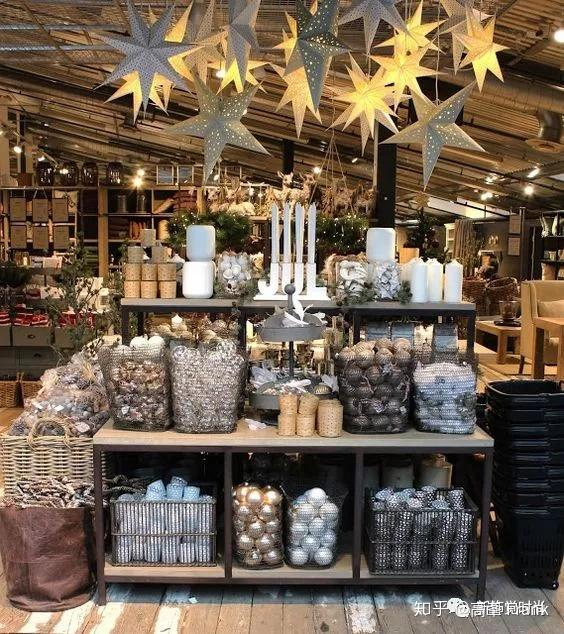
The Assortment That Sells and Reorders
If you want collections that land clean and sell through, build the system:
align to retail supplier standards early
design a planogram-ready assortment (not a random mix)
choose a hook system that powers seasonal merchandising
control the finishing process supply chain so your “premium look” repeats
scale margins with a reliable custom ottoman manufacturer and fast-moving home decor accessories wholesale layers
That’s how buyers stop chasing problems—and start repeating wins.



