Packaging for Mirrors That Protects Margin
Because the mirror doesn’t “break in transit”—it breaks in the gaps between design, materials, and packing.
If you buy or design mirrors for retail or multi-door programs, you already know the hard truth: a mirror can be beautifully designed, perfectly finished, and still fail the moment it enters real logistics.
That’s why packaging for mirrors is not a shipping detail. It’s part of product engineering. And if you’re running project supply mirrors—repeatable programs that need to deliver clean across batches—packaging is the difference between reorder confidence and endless claims.
Teruier builds project-ready mirrors that arrive like the sample—because packaging and materials are controlled from first-line production reality, not guessed after.
Who You’re Really Protecting: The Shopper, the Store Team, and Your Program Margin
A mirror’s end user might be a shopper—but your real “customer” is the retail system:
Region: North America + EU-influenced style markets (and growing cross-border demand)
Customer: everyday home upgraders, renters styling small spaces, first-home couples, gift buyers
Group tendency: purchase influence often clusters around 25–44 decision-makers, but the product must stay neutral and easy to place
Price band: smart value to affordable premium—people pay for the look, then punish damage instantly
Use scenarios: entryway upgrades, living room focal moments, bedroom corners, rental staging, holiday hosting refreshes
Mirrors are especially sensitive because customers read “damage” as “cheap,” even if the damage happened after production. So every broken or scratched mirror is a direct hit to margin, brand trust, and reorder velocity.
Mirror Materials: Why Packaging Has to Change Based on What the Mirror Is Made Of
Most breakage prevention fails because teams treat all mirrors the same. But mirror materials change the risk profile dramatically.
1) Glass thickness and type
Thinner glass saves cost and weight—but increases flex and edge vulnerability. Tempered vs. non-tempered decisions also change how impact shows up.
2) Frame materials (metal, resin, wood, composite)
Frames don’t just “hold the mirror.” They transmit shock.
Metal frames can concentrate force at corners.
Resin frames can chip or crack under compression.
Wood/composites can deform under humidity or pressure.
3) Finishes and surfaces
Matte coatings, gold leaf looks, or high-gloss edges show micro-scratches easily—so surface protection becomes a review-protection tool, not just a shipping tool.
This is why breakage prevention is never only about “strong cartons.” It’s about controlling how force travels through the product.
Mirror Packaging Breakage Prevention: The 5 Failure Points That Cause Claims
Effective mirror packaging breakage prevention focuses on predictable failure modes:
1) Edge and corner hits
Most mirror damage begins at corners. If corners aren’t structurally protected, the mirror fails even if the carton looks “fine.”
2) Internal movement
If the product shifts inside, it self-damages. A mirror doesn’t need a lot of movement—small vibration over distance is enough.
3) Compression in stacking
Cartons get stacked and pressed. If packaging can’t hold compression, the frame distorts or corners take stress.
4) Surface rub and finish scuff
Even when glass survives, scuffed frames and scratched surfaces create “arrived damaged” perceptions—returns follow.
5) Handling reality mismatch
Packaging designed for “careful handling” fails in the real world. Packaging must assume drops, slides, compression, and vibration.
A phrase that buyers remember because it’s practical:
immobilize the mirror, protect the corners, control the compression.
Project Supply Mirrors: Packaging as a Program Spec, Not a One-Off Fix
If you’re running project supply mirrors, what you really need is repeatability:
the same look
the same fit
the same arrival condition
the same packaging performance across reorders
That means packaging should be standardized like a spec pack:
defined inner protection structure
defined corner and edge rules
defined surface protection (non-marking)
defined carton strength and handling marks
defined drop/handling test logic
This is how project supply becomes program supply—your mirrors stop being “fragile goods” and become managed SKUs.
A simple internal label that reads like capability:
retail-ready mirrors, logistics-proofed.
Where Teruier Fits Naturally: Packaging + Materials Controlled from the Craft Hub
Teruier’s advantage isn’t “we pack well.” It’s that packaging is designed together with mirror materials and finishing decisions—because those choices are linked.
Being based in a Fuzhou-area craft hub (工艺品之乡) matters here. The ecosystem has dense capability across three supply chains—craftsmen, materials, process—which makes it easier to control:
how frames are built, finished, and reinforced
how mirror materials behave under stress
how packaging structures must be engineered for real logistics
With European/American designer collaboration, the output stays on-taste for Western homes, but the execution stays manufacturable and repeatable at scale—so what you approve is what arrives.
The region’s craft heritage—often associated with bodiless lacquerware, oil-paper umbrellas, and horn combs—also contributes something important for mirrors: finishing discipline and detail control. In retail, that’s the difference between “acceptable” and “reorderable.”
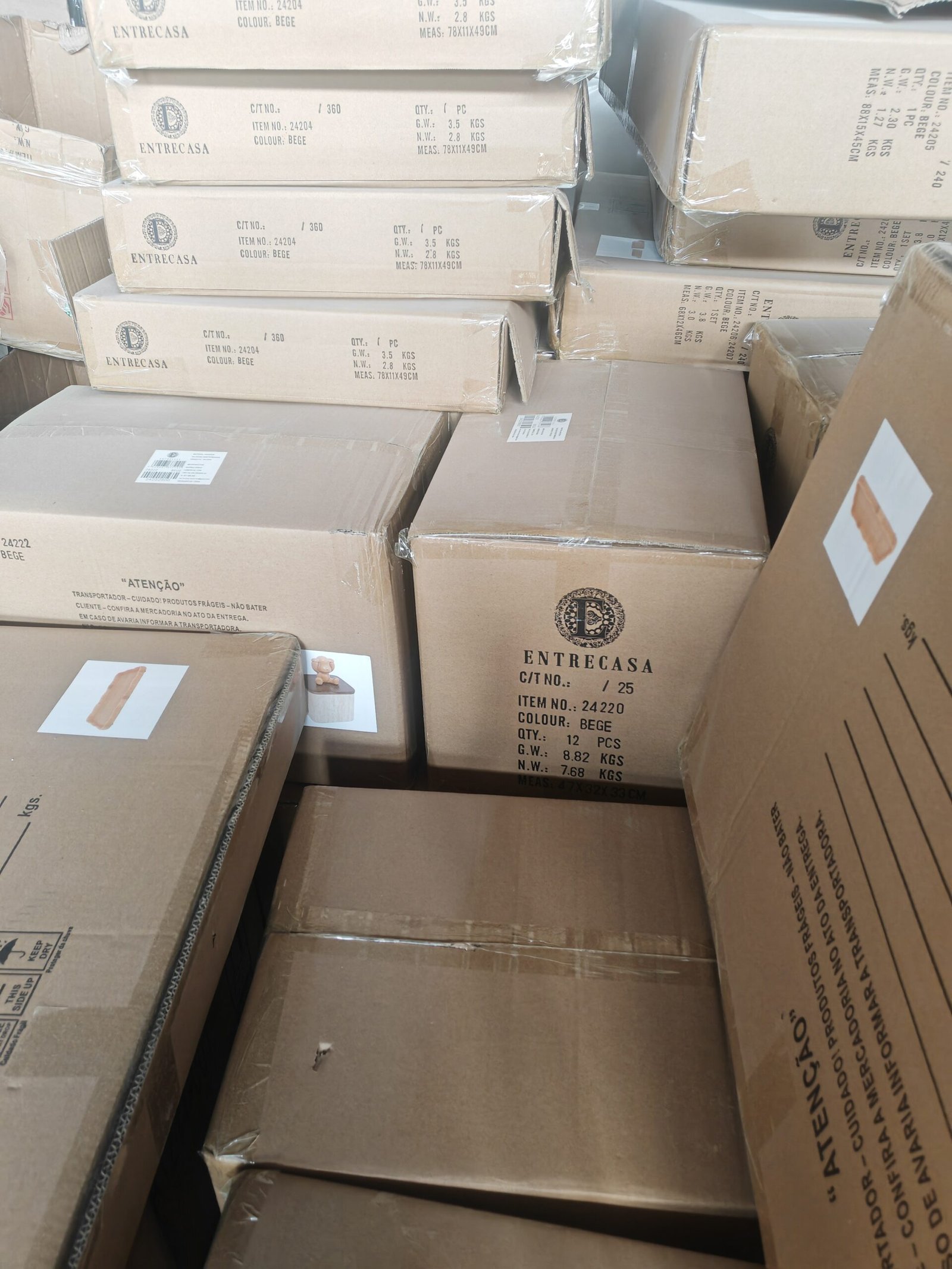
The Real Definition of Breakage Prevention
For retail buyers and designers, the best packaging system isn’t the one that looks complex. It’s the one that produces boring results: fewer claims, fewer returns, faster reorders.
If you want mirrors that behave like real programs, build this chain:
mirror materials → packaging for mirrors → mirror packaging breakage prevention → project supply mirrors that reorder cleanly.
That’s how you protect margin—and protect the shelf experience—shipment after shipment.