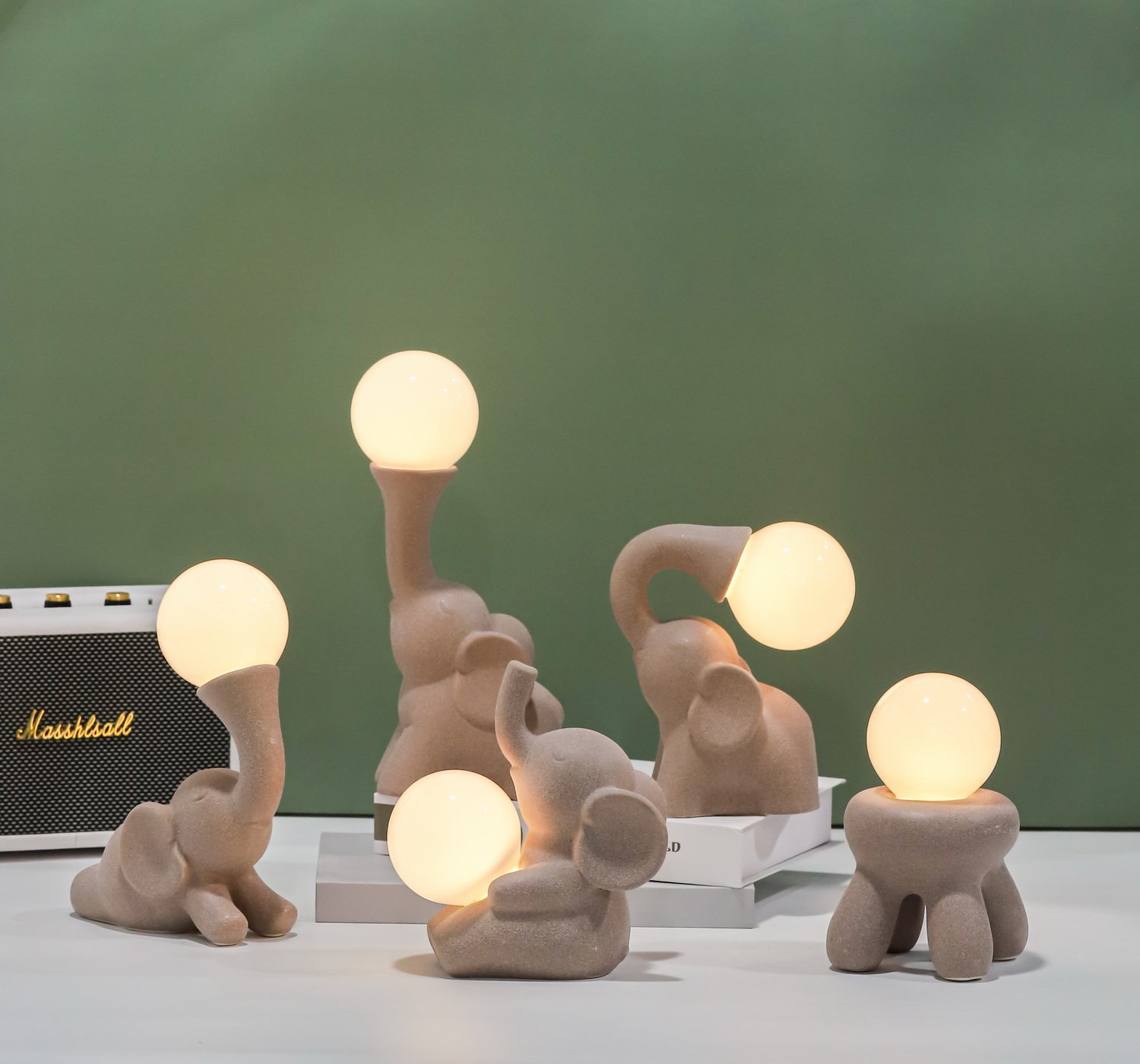
Outdoor Decor: Because a Garden Deserves Better Than Random Accessories
Outdoor spaces have become proper living spaces. Terraces are dining rooms, balconies are small urban retreats, and gardens are expected to look presentable even when nobody has remembered to water the herbs.
The Teruier Outdoor Decor section is created for German buyers, home décor retailers, importers and designers who want more than attractive photographs. It focuses on products that make visual sense, commercial sense and, ideally, logistical sense too.
Because a decorative object that looks wonderful but arrives damaged, fades after one season or takes up half a container is not really a product. It is an expensive conversation with your complaints department.
What Is Outdoor Decor?
Outdoor decor includes decorative and functional products designed to improve balconies, terraces, gardens, patios and semi-covered outdoor living areas.
This may include:
- Outdoor planters and ceramic vessels
- Decorative lanterns and lighting accessories
- Garden mirrors and wall decorations
- Small occasional tables and weather-conscious stools
- Outdoor cushions, ottomans and textile-led accessories
- Sculptural objects and seasonal decorative collections
The important word is not simply “outdoor”. It is appropriate.
A product must suit the climate, the retail price point, the intended placement and the expectations of the end customer. Putting a normal indoor object outside and calling it “garden lifestyle” is creative marketing, but not particularly good product development.
What This Section Is Designed to Do
The Outdoor Decor section helps buyers understand how outdoor products move from visual inspiration to commercially workable assortments.
We discuss:
- Which shapes, materials and colours are gaining relevance
- Which outdoor trends can survive beyond one Instagram season
- How products can be adapted for German and European retail
- Where decorative value and practical performance must meet
- How outdoor products can complement indoor categories
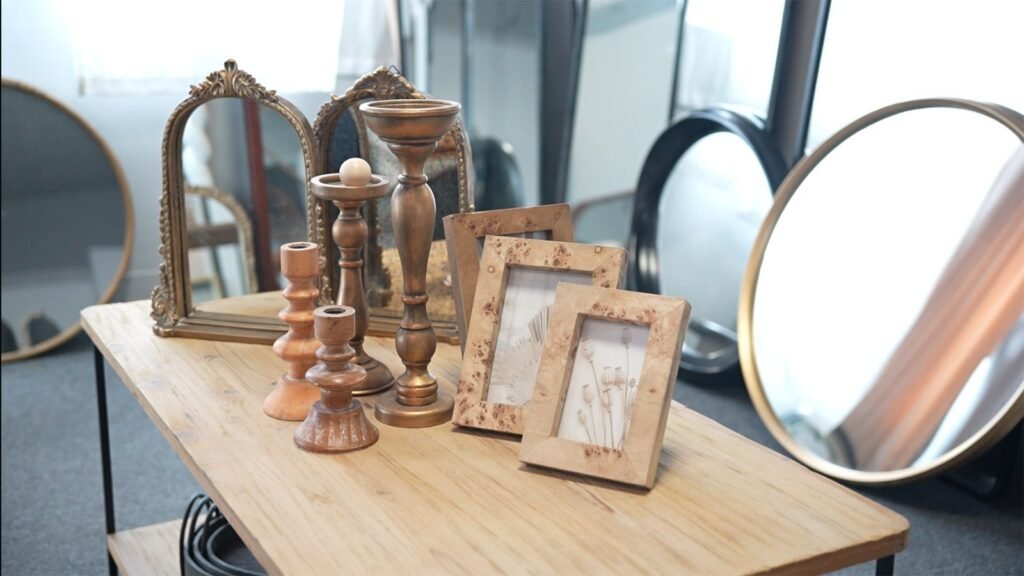
For example, a garden mirror may borrow the arch shape of an indoor decorative mirror, but its frame construction, backing and finish require a different discussion.
An outdoor ottoman may look relaxed and wonderfully Mediterranean. It must still tolerate moisture, storage, handling and the occasional customer who assumes every piece of furniture can support a small elephant.
From Attractive Idea to Retail Value
One of Teruier’s key strengths is value translation.
Value translation means converting a design idea into a product proposition that buyers can actually sell.
A factory may describe a product in terms of material, finish and production process. A retailer, however, needs to understand something else:
- Why will the customer notice it?
- Where does it sit in the assortment?
- What price level can it support?
- Can it be reordered consistently?
- Does it create enough visual impact without becoming operational theatre?
The Outdoor Decor section connects these two languages.
A glazed ceramic planter is not merely “ceramic with reactive glaze”. For a buyer, it may be a balcony-friendly decorative anchor, a seasonal colour story or a coordinated add-on for an indoor-outdoor collection.
That is the difference between describing an object and explaining its commercial value.
Outdoor Decor Versus Indoor Decor
| Consideration | Indoor Decor | Outdoor Decor |
|---|---|---|
| Main environment | Controlled interior space | Variable temperature, moisture and sunlight |
| Material priority | Appearance and touch | Appearance, durability and suitability |
| Colour development | Interior trend coordination | Landscape, architecture and seasonal coordination |
| Packaging concern | Breakage and presentation | Breakage, weight, finish protection and storage |
| Customer expectation | Decorative enhancement | Decorative enhancement plus practical resilience |
| Product testing | General use and finish checks | Additional weather and placement considerations |
Outdoor decor is not necessarily more complicated than indoor decor. It is simply less forgiving.
A poor indoor finish may be disappointing. A poor outdoor finish may begin changing colour before the customer has finished assembling the barbecue.
Why This Matters to German Buyers
German buyers tend to be reasonably unimpressed by decorative drama without supporting logic.
A product must usually answer several questions at once:
- Is the design relevant?
- Is the material believable?
- Is the construction appropriate?
- Can the product fit an existing assortment?
- Is the price-to-value relationship clear?
This is why the Outdoor Decor section does not treat trends as decoration alone.
A useful trend is one that can be developed into a coherent product group, communicated clearly to the customer and repeated without unpleasant surprises.
The goal is not to chase every outdoor fashion. The goal is to identify the ones worth putting on a purchase order.
The Highlights of the Outdoor Decor Section
The section combines three perspectives:
Design perspective:
How form, proportion, colour, texture and finish shape the product’s appeal.
Buyer perspective:
How the product supports assortment planning, price architecture and seasonal presentation.
Manufacturing perspective:
How the idea can be produced, packed, delivered and repeated at a commercially sensible standard.
This combination helps prevent a common sourcing problem: the beautiful sample that becomes less beautiful with every production discussion.
Frequently Asked Questions
What product categories will the Outdoor Decor section cover?
The section may cover planters, garden mirrors, lanterns, outdoor wall decor, occasional furniture, ottomans, decorative vessels and small lifestyle accessories.
Is the section focused only on gardens?
No. It also covers balconies, terraces, patios, conservatories and semi-covered hospitality spaces.
Does outdoor decor always need to be fully weatherproof?
No. The required performance depends on the intended placement. Products for covered terraces may need different specifications from products designed for permanent open-air use. Clear positioning is more useful than heroic but vague claims.
Will the section discuss sourcing and production?
Yes, but always from a buyer-relevant perspective. The aim is not to publish factory manuals. It is to explain how design decisions affect quality, cost, packaging and retail potential.
Can outdoor products coordinate with indoor collections?
Certainly. Matching materials, repeated silhouettes and related colour palettes can help retailers create a more coherent indoor-outdoor story. A mirror shape, ceramic glaze or woven texture can move across categories when the construction is properly adapted.
Outdoor Spaces Are Commercial Spaces Too
Outdoor decor should not be treated as a cheerful seasonal afterthought.
For retailers and designers, it offers opportunities to extend living-room aesthetics into balconies, gardens and terraces. For buyers, it creates additional reasons for customers to purchase decorative products beyond the traditional indoor assortment.
The Teruier Outdoor Decor section is therefore about more than making gardens look pleasant.
It is about identifying products that are attractive enough to be noticed, sensible enough to be stocked and reliable enough to be reordered.
After all, outdoor living should feel relaxed.
Outdoor sourcing should not.