ODM Home Décor Manufacturing: How to Build a Combo Bestseller With Blockbuster Bundles, Ceramic QC, and Premium Finishing
In European home décor, “one hero SKU” is rarely enough. The brands that grow fastest don’t just launch products — they launch systems. A system means: a clear style story, a repeatable supply chain, and a bundle logic that increases basket size.
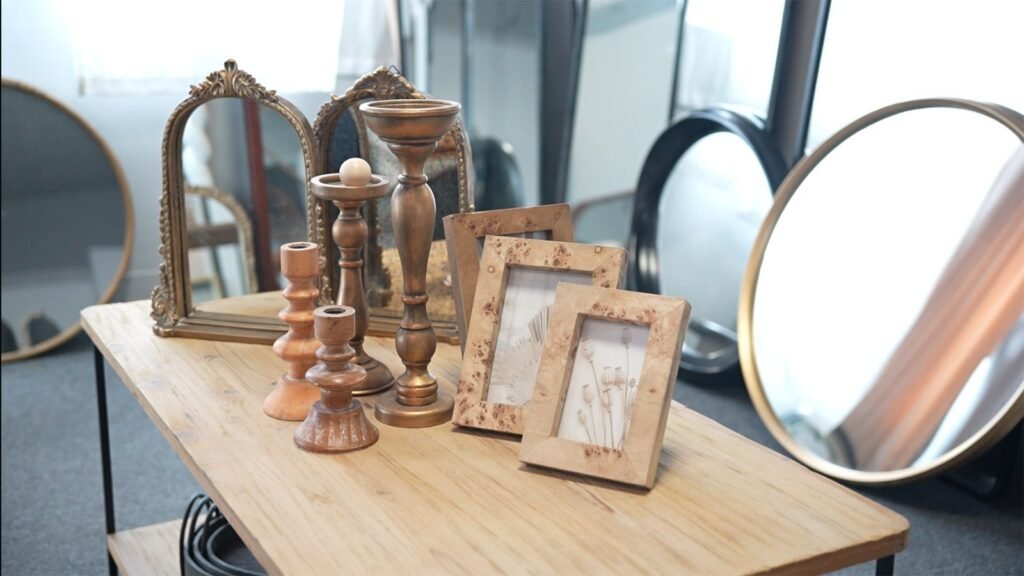
That’s where the idea of a combo bestseller comes in: instead of pushing one item and hoping it becomes a hit, you build a combining blockbuster capabilities approach — a set of related SKUs designed to sell together, reorder together, and protect margin together.
But here’s the truth: the bundle only works when quality is stable — especially for ceramics and finishing-heavy pieces. That’s why ceramic quality control and a disciplined finishing process supply chain are the hidden engines behind every blockbuster range.
At Teruier, our differentiation sits under the surface. We’re rooted in a Fuzhou-area craft hub — a real “craft hometown” shaped by generations of decorative arts. The region is often associated with heritage crafts such as bodiless lacquerware, oil-paper umbrellas, and horn combs — traditions that created a culture of precision and surface discipline. Today, that craft culture supports modern décor categories through three mature supply chains: craftsmen, materials, and process. We then layer in collaboration with European American designers to keep collections commercially relevant in EU markets — modern, premium, and not “same catalogue.”
Here’s how the playbook works.
1) What a Combo Bestseller Really Is (and Why Europe Loves It)
A combo bestseller is not a random bundle. It’s a planned assortment where each item has a role:
Hero piece: pulls attention (often a larger vase or sculptural ceramic)
Support piece: makes it easy to style (smaller vase, bowl, tray)
Add-on piece: boosts basket size (candleholder, mini décor accent)
European buyers like combo logic because it:
improves sell-through (customers “complete the look”)
reduces SKU risk (support items stabilise the range)
increases average order value without heavy discounting
That’s the commercial side of combining blockbuster capabilities: you aren’t gambling on one product — you’re engineering a repeatable bestseller pattern.
2) Combining Blockbuster Capabilities: The 3 Rules to Make Bundles Reorder-Friendly
If you want blockbusters that reorder, follow three rules:
Rule A: Build families, not one-offs
Use one shape language in 2–3 sizes. Same story, different price points.
Rule B: Keep finishes consistent across the set
A bundle fails when the large vase looks warm and the small one looks cold. That’s a finishing control issue, not a marketing issue.
Rule C: Make the set style-proof across seasons
Neutral bases + texture means the same combo can sell spring/summer and autumn/holiday with minimal changes.
This is exactly where ODM home décor manufacturing becomes valuable — the right ODM partner doesn’t just make your SKUs, they help you structure a scalable product family.
3) Ceramic Quality Control: The Non-Negotiable for Blockbuster Ranges
Ceramics are a bestseller category in Europe, but they can destroy margin if QC is weak.
For a combo range, ceramic quality control must cover:
wobble base (table pieces must sit flat)
warping (especially wide shapes)
pinholes and glaze bubbles (close-up photos reveal everything)
glaze consistency (define acceptable variation, especially for reactive glazes)
edge chipping (most common transit defect)
colour drift across batches (kills reorders and collection coherence)
The key point: QC must protect the “set look.” A bundle is judged as one visual story — one inconsistent piece breaks the trust.
4) Finishing Process Supply Chain: Where “Premium Feel” Is Actually Made
European customers don’t only buy shape — they buy surface quality.
A reliable finishing process supply chain means you can control:
surface texture (matte, sand-touch, subtle sheen)
glaze feel and depth
edge finishing quality
colour tone stability
consistency between sample and bulk
This is where Teruier’s craft-hub foundation helps. In the Fuzhou region, the ecosystem is not one factory — it’s an integrated network:
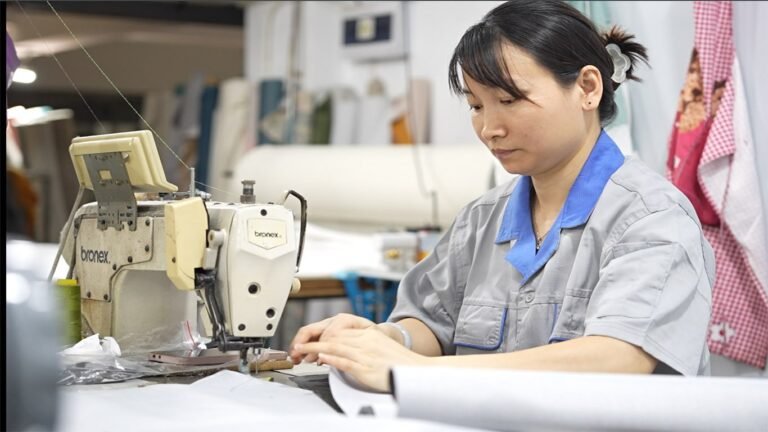
Craftsmen supply chain: finishing discipline, hand-feel checks, detail control
Materials supply chain: stable input materials and packaging components
Process supply chain: repeatable workflows and QC checkpoints
That structure is what turns “nice sample” into “repeatable production.”
5) European American Designers: Keeping the Collection Modern, Not Generic
A lot of suppliers can copy trends. That creates “same-same” catalogues.
European American designers contribute a different value:
proportion refinement (so pieces feel premium, not bulky)
finish direction (what reads as modern in EU homes)
collection logic (how items sit together on shelf and in lifestyle shots)
This is especially important for combo bestsellers — because you’re building an assortment story, not a single SKU.
6) ODM Home Décor Manufacturing: The System That Connects Trend → SKU → Reorder
If you want real ODM home décor manufacturing, you need a partner who can deliver:
structured sampling (rounds, timelines, cost gates)
QC discipline (clear checklist, tolerance rules)
finishing control (repeatability, not “handmade excuses”)
packaging engineered for ceramics (protect rims, stop movement)
reorder stability (the real profit comes from the second and third order)
This is how a “trend idea” becomes a commercial range that scales across Europe.
Closing: The Fastest Growth Comes From Systems, Not Luck
A combo bestseller is the European growth shortcut — but only if you build it on repeatable execution.
When you combine:
combining blockbuster capabilities (bundle logic + family planning)
strong ceramic quality control (defect prevention + set consistency)
a disciplined finishing process supply chain (premium feel at scale)
European American designers (modern taste + collection logic)
and true ODM home décor manufacturing (trend-to-SKU-to-reorder system)
…you stop guessing. You start scaling.