
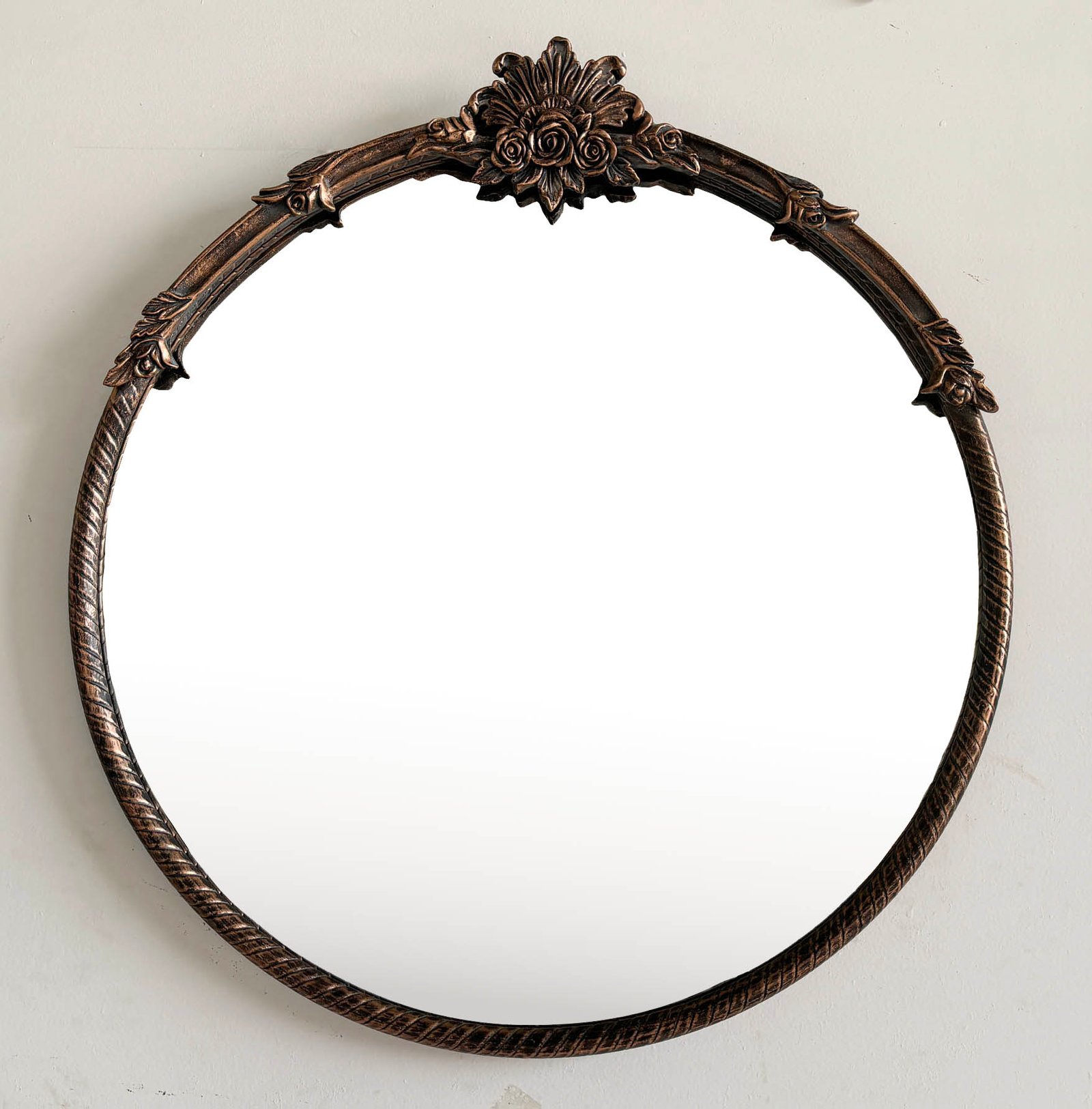
Home decor buyers are often faced with the challenge of choosing the right materials for their products. Magnesium oxide (MgO) and resin are two popular materials that stand out for their unique characteristics and benefits. Whether you are designing high-end home decor items or mass-market products, understanding the properties, applications, and advantages of these materials is essential. This article provides a comprehensive comparison of magnesium oxide and resin, along with valuable insights on how to make the right material choice based on your product’s needs.
Magnesium Oxide vs Resin? Let’s Get Acquainted
Getting to Know Magnesium Oxide
Magnesium oxide is a naturally occurring mineral compound made from magnesium and oxygen. It is often used in various applications, including construction, agriculture, and home decor. Here’s what you should know about it:
- Basic Composition: Magnesium oxide (MgO) is a white, odorless powder made by heating magnesium-rich minerals at high temperatures. It’s highly versatile and has been gaining popularity in recent years.
- Physical Properties: MgO is lightweight, fire-resistant, and eco-friendly. It can withstand high temperatures and is naturally resistant to water and humidity.
- Advantages in Home Decor: MgO is a fantastic option for home decor products because of its light weight and sturdy, durable nature. It’s often used in sculptures, wall art, and even light fixtures. Plus, its fire-resistant properties make it a safe choice for any interior design project.
Getting to Know Resin
Resin, on the other hand, is a broad term that encompasses various synthetic materials like epoxy resin, polyester resin, and polyurethane resin. These materials are popular in home decor and arts for their versatility. Here’s what you need to know:
- Types of Resin: The most common resins in home decor include epoxy resin (used for furniture and coatings), polyester resin (used in casting and molding), and urethane resin (known for its durability and strength).
- Physical and Chemical Properties: Resin materials are known for their exceptional plasticity, which makes them perfect for intricate designs. They are also highly durable, corrosion-resistant, and weather-resistant.
- Widespread Use in Home Decor: Resin is commonly used in making furniture, art pieces, figurines, and even home accessories like vases and lamps. It is particularly popular for designs requiring complex shapes or transparency.
The Application and Market Trends of Magnesium Oxide vs Resin
Applications of Magnesium Oxide
Magnesium oxide is becoming more popular in home decor for several reasons:
- Home Decor Uses: It’s commonly found in sculptures, decorative wall pieces, and lamps. Its fire-resistant properties also make it a safe option for outdoor decorations.
- Modern Home Trends: Magnesium oxide is gaining momentum in modern interior design due to its eco-friendly reputation and lightweight design. It pairs well with minimalist and contemporary styles.
Applications of Resin
Resin is a go-to material for a wide variety of decorative products:
- Home Decor Uses: Resin is used in a variety of products including furniture, wall art, and even decorative flooring. It’s incredibly popular for customized pieces like resin countertops, wall hangings, and chandeliers.
- Design Flexibility: The flexibility of resin allows designers to create intricate and unique products, making it a favorite in custom home decor projects.
Market Trends: The Influence of Sustainability on Material Choices
In recent years, there’s been a growing focus on eco-friendly materials in the home decor industry.
- Sustainability Drives Demand: Magnesium oxide is known for its eco-friendly properties, which aligns with the trend toward sustainable design. Consumers are increasingly looking for materials that are both durable and environmentally responsible.
- Changing Consumer Preferences: More consumers are prioritizing sustainability in their purchasing decisions, which is driving a demand for materials like magnesium oxide that are recyclable and less harmful to the environment.


Key Considerations When Choosing Between Magnesium Oxide and Resin
Durability and Quality of Materials
When evaluating both materials, durability and resistance to wear and tear are crucial.
- Magnesium Oxide Durability: Magnesium oxide is highly durable and resistant to high temperatures. However, it can be brittle and prone to cracking if not handled properly.
- Resin Durability: Resin is tough and long-lasting but can degrade under UV exposure. It also may not be ideal for high-heat environments.
Safety and Environmental Considerations
Ensuring that the materials used meet safety standards is vital.
- Magnesium Oxide Safety: MgO is fire-resistant and environmentally friendly, making it a safe material for various home decor applications.
- Resin Safety: While resin is versatile, some types, like polyester resin, can release harmful fumes during production or when exposed to high temperatures.
Cost and Market Pricing
Pricing varies significantly between the two materials.
- Magnesium Oxide Cost: Magnesium oxide tends to be cost-effective for mass production, though its processing can be more expensive.
- Resin Cost: Resin prices can vary depending on the type and quality, but it generally tends to be more affordable than magnesium oxide, especially for decorative applications.
Choosing the Right Supplier
Reliable suppliers are essential for sourcing high-quality materials.
- Selecting the Right Supplier for Magnesium Oxide: Choose suppliers that offer certified and high-quality MgO with clear safety certifications.
- Resin Supplier Tips: When choosing a resin supplier, make sure they provide products that meet your design and sustainability needs.
Pros and Cons of Magnesium Oxide vs Resin Materials
Magnesium Oxide Pros and Cons
- Pros: Lightweight, eco-friendly, fire-resistant, and heat-resistant. Great for intricate designs and decorative use.
- Cons: Prone to cracking if not handled carefully, fragile under impact, and not suitable for heavy-load applications.
Resin Pros and Cons
- Pros: Highly flexible, perfect for complex designs, and resistant to corrosion. Ideal for detailed and transparent designs.
- Cons: Can degrade with UV exposure, may contain harmful chemicals, and is not ideal for high-temperature environments.


How to Choose Between Magnesium Oxide and Resin for Home Decor
High-End Home Decor with Magnesium Oxide
Magnesium oxide suits high-end, luxury home decor due to its sophisticated, minimalist look and eco-friendly nature. It pairs beautifully with modern, luxury interiors that prioritize sleek designs and sustainability.
Modern Minimalism with Resin
Resin’s flexibility and ease of molding make it ideal for modern, minimalist designs. Whether it’s for sleek resin furniture or custom-made art pieces, this material fits perfectly in contemporary home decor.
Eco-Friendly and Sustainable Choices
For eco-conscious designs, magnesium oxide stands out due to its sustainability. As consumers continue to favor eco-friendly materials, MgO is quickly becoming a top choice for responsible designers.
Conclusion: Best Practices for Choosing Between Magnesium Oxide and Resin
When deciding between magnesium oxide and resin for your home decor needs, consider:
- Durability: Magnesium oxide is fire-resistant and ideal for outdoor use, while resin is perfect for intricate designs and indoor decor.
- Design Needs: Resin is best for flexible, customizable designs, whereas magnesium oxide excels in minimalist and high-end decor.
- Budget: Resin may be a more affordable option for mass-market products, while magnesium oxide is ideal for high-end, sustainable designs.
Frequently Asked Questions (FAQs)
How eco-friendly are magnesium oxide and resin?
Both materials have eco-friendly options. Magnesium oxide is natural and recyclable, whereas resin, especially epoxy, may contain chemicals that are not always biodegradable.
How do I determine the quality of magnesium oxide and resin materials?
Quality can be determined through supplier certifications, industry standards, and testing for factors like fire resistance, durability, and finish.
How do magnesium oxide and resin differ in durability?
Magnesium oxide is more heat-resistant, but resin is more flexible. However, resin can be affected by UV light, and magnesium oxide may crack under impact.
Which material is better for making art pieces?
Resin is better suited for art pieces due to its flexibility and ability to capture intricate designs, while magnesium oxide works well for minimalist sculptures.
How do I choose the right supplier for these materials?
Look for certified suppliers with a good reputation and positive reviews. Ensure that the materials meet your specific requirements for quality, safety, and sustainability.
How do I balance cost and quality when choosing materials?
Focus on your project’s needs and budget. If sustainability and fire resistance are top priorities, magnesium oxide may be the right choice. For intricate designs at an affordable cost, resin is a great option.
By considering all factors, from material properties to market trends, you’ll be able to make the best decision for your home decor needs.
If you are a buyer looking for the products mentioned in the article, you can inquire with Teruier, click here to browse some of Teruier’s products. You can also read Teruier’s brand story by clicking here.



