I Don’t Search “Dubai Mirror Supplier” for Designs — I Search It for Peace of Mind
I buy mirrors for a Dubai home store inside a busy mall. When my team types Dubai mirror supplier into Google, it’s not a casual browse.
It’s usually after one of these headaches:
the frame finish looks perfect in the sample, then shifts in the bulk run
LED mirrors arrive… and half the drivers don’t match the spec
floor stock is fine, but the hospitality fit-out team needs 300 units, same batch, same week
cartons arrive with corner damage and everyone starts arguing about “who is responsible”
So here’s my honest take: a real Dubai mirror supplier isn’t the one with the biggest catalogue. It’s the one that keeps your programme stable when the region moves fast.
Dubai is a sourcing hub because it moves — not because it talks
Dubai works as a mirror hub because the logistics network is built for flow: consolidation, staging, and fast replenishment. DP World describes Jebel Ali as a gateway with 80+ weekly services connecting 150+ ports worldwide—that matters when you’re planning retail drops and project deadlines at the same time.
And yes, mirrors are a volume category here. Dubai’s official tourism report forecasts guestroom inventory reaching 158,845 by end of 2025, which quietly drives ongoing replacement cycles and upgrades across bathrooms, corridors, and lobbies.
That’s why the keyword Dubai mirror supplier keeps trending in buyer conversations: the region rewards suppliers who can repeat, not just impress.
What “bathroom mirrors wholesale UAE” really means in my world
If you’re doing bathroom mirrors wholesale UAE, you’re not selling décor. You’re selling reliability.
Bathrooms are where customers notice everything: edge polish, silvering quality, mounting alignment, and fogging complaints. For projects, it’s even sharper—site teams don’t want “almost correct.” They want “same as approved.”
So my supplier checklist starts with:
consistent glass spec + edge work (every batch)
mounting hardware that doesn’t change without notice
clear carton labelling so store teams don’t open the wrong unit
a claim process that is calm, documented, and quick
If you can’t do that, you’re not a supplier. You’re a risk.
Middle Eastern inspired mirrors wholesale: don’t sell me vibes — sell me a collection
Dubai customers love statement pieces, but the best sellers are usually controlled statements: arches, geometric cues, warm metallics, and clean ornamentation that reads premium without being fragile.
That’s why Middle Eastern inspired mirrors wholesale only works long-term when the supplier builds a range (a proper family of SKUs):
same finish logic across multiple silhouettes
a size ladder (so you can upsell from wall to floor)
consistent hanging points and packaging rules
This is how you keep the merchandising clean in-store and keep replenishment simple in the warehouse. It’s also how you protect margin—because you’re not constantly “re-educating” the customer with random new shapes.
Mirror packaging breakage prevention is not optional — it’s margin protection
Let’s keep it real: glass doesn’t forgive wishful thinking.
If you want fewer claims, you need mirror packaging breakage prevention that’s built around transit reality: drops, vibration, compression, re-handling, and cross-docking.
That’s why serious suppliers talk in test language, not hope language. ISTA (International Safe Transit Association) publishes test procedures designed to simulate distribution hazards, and procedures like ISTA 3A are commonly referenced for packaged-products testing.
As a buyer, I don’t need you to “promise strong packaging.” I need you to show:
corner protection design (not just thicker cartons)
internal spacing rules so glass isn’t taking edge pressure
pallet pattern + strap rules
evidence you test for shipping conditions (not only showroom delivery)
The KSA reality: “noon LED mirror supplier Saudi” changes the game
Dubai retail is one thing. Cross-border demand is another.
When my team hears “noon LED mirror supplier Saudi”, what that really means is: we’re selling into a fast-moving Saudi online channel, and LED returns will hurt if specs aren’t locked.
Noon’s own seller hub positions itself as a platform for sellers across UAE and KSA, and its partner support content explicitly references choosing where you wish to sell (including Saudi Arabia).
So if you’re supplying LED mirrors that may end up in KSA e-commerce:
keep LED components standardised (driver, touch sensor, anti-fog module)
keep colour temperature consistent (don’t drift between batches)
keep barcode + carton labels clean (warehouse teams move fast)
expect stricter photo/spec accuracy (because online buyers return quicker)
A quick compliance note buyers can’t ignore
For products subject to UAE technical regulations, the UAE has processes to issue a Certificate of Conformity for regulated products via MoIAT. Even if your mirror range spans “plain” and “LED,” buyers prefer suppliers who understand what documentation may be needed for market entry and smooth circulation.
What Teruier is built for (from a Dubai buyer’s lens)
If you ask me what I want from a Dubai mirror supplier, it’s simple:
A supplier who can run mirrors like a programme—collection logic, stable specs, disciplined QC, and packaging that respects glass.
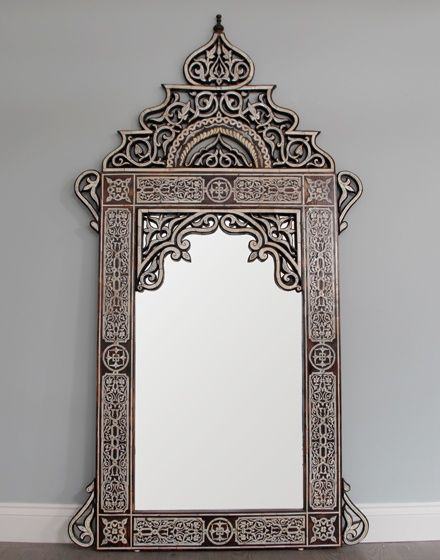
That’s the lane Teruier plays in: not “endless designs,” but reorder-ready mirrors that work for bathroom mirrors wholesale UAE, scale into hospitality fit-out cycles, and stay clean enough for Saudi e-commerce expectations when that “noon” question comes up.
Because in the Gulf, buyers don’t get rewarded for taking chances.
We get rewarded for landing stock on time, in one piece, exactly as approved.