
I Don’t Buy “Pretty.” I Buy a Profit Model for SKUs.
I’m a mall buyer. My job isn’t to fall in love with a chair or a mirror. My job is to make sure every SKU earns its keep—through freight, store labor, returns, and markdown season.
That’s why the supplier pitch I trust the most is never “we can make anything.”
It’s: “Here’s the profit model for SKUs we recommend—and here’s how we keep them reorderable.”
Because in 2026 retail, operational efficiency and inventory discipline aren’t buzzwords—they’re survival. NRF has been explicit that retailers are prioritizing more responsive, precise approaches to inventory to improve operational efficiency.
So if you’re positioning as a wholesale furniture manufacturer, a contract furniture supplier, or a B2B home decor manufacturer, here’s the buyer reality: your product is judged by the second PO, not the first sample.
Global Sourcing Home Decor: Where Margin Actually Dies
When I’m doing global sourcing home decor, the biggest margin leaks usually look like “small issues” in a factory conversation:
carton damage that becomes claims + reships
finish drift that spikes returns
lead-time slips that miss a floor set
unclear shipping responsibilities that inflate landed cost
inconsistent assembly parts that slow store teams
NRF’s inventory-focused guidance reflects why this matters: inventory problems hit operational performance, and retailers are pushing for more precise systems that reduce friction and waste.
Which leads to the buyer rule:
Unit cost is not the price. Landed cost + store cost + return cost is the price.
The Profit Model for SKUs: The 3 Numbers I Care About First
Before we talk about finishes, I need to know whether a SKU makes financial sense. My mental model is simple:
1) GMROI (Does inventory make money fast enough?)
GMROI (gross margin return on inventory investment) is a core retail metric: it measures return per dollar invested in inventory, using gross margin divided by average inventory cost.
If a supplier understands GMROI, they stop pitching “cheap” and start pitching inventory efficiency.
2) Sell-through velocity (Can it move without discounts?)
If your SKU needs a constant promo to move, it’s not a hero—it’s a liability.
3) Return/defect drag (Will it quietly poison the line?)
Returns don’t just cost money; they cost buyer confidence. One bad batch can erase an entire season’s plan.
This is why I don’t just need a bulk home decor supplier. I need a bulk supplier with repeatability.
Wholesale Furniture Manufacturer vs Contract Furniture Supplier: Buyers Use Both—For Different Reasons
A good assortment is usually a blend, especially if you carry accent furniture wholesale (ottomans, stools, occasional chairs, small cabinets) plus décor.
When I buy from a wholesale furniture manufacturer
I’m typically building volume lines: the SKUs that will reorder if they stay consistent. I want:
stable BOM and finishes
predictable lead times
packaging engineered for damage prevention
repeatability documentation (not just “same as last time”)
When I choose a contract furniture supplier
Contract furniture is built for heavy-use commercial environments and usually implies higher durability/compliance expectations. In those categories, I care deeply about standards and proof.
If you sell contract-grade or commercial lines, I look for alignment with recognized furniture performance/safety standards. BIFMA sponsors safety, performance, and sustainability standards for furniture—buyers often use this as a “seriousness signal” in commercial programs.
Buyer translation: contract programs aren’t forgiving. If you can pass durability and compliance expectations there, I’m more likely to trust you on high-traffic retail SKUs too.
Accent Furniture Wholesale: The Category That Looks Easy and Breaks Fast
Accent furniture is where sellers get excited and buyers get cautious—because these SKUs are touch-heavy, photo-heavy, and return-heavy.
If you want to win accent furniture wholesale business, don’t lead with a vibe. Lead with the operational pack:
weight + carton design that survives multi-stop distribution
assembly hardware consistency (every time)
stability tests and wobble prevention
fabric/finish control sample (kept and referenced)
clear QC checkpoints before final inspection
That’s what makes a reorder-ready accent line. Not the first PO—the second shipment looking identical.
The Retail-Ready Reality: Packaging Is a Profit Lever
Retail-ready isn’t marketing. It’s labor and damage.
A practical way to evaluate retail-ready packaging is the “five easies” concept (easy to identify, open, stock, shop, and dispose), widely discussed in retail-ready packaging contexts.
So here’s what I want from any B2B home decor manufacturer shipping into retail:
Easy to identify: clear carton labeling, scannable markings, orientation cues
Easy to open: clean perforation, less knife risk, less mess
Easy to stock: inner packs, protective corners, consistent case counts
Easy to shop: PDQ options where it makes sense
Easy to dispose: fewer mixed materials, less backroom chaos
If you’re not solving store labor, you’re not truly retail-ready.
Incoterms: The Fastest Way to Lose Trust in a Supplier Call
If a supplier can’t clearly explain shipping responsibilities, I assume the landed cost will surprise me.
Incoterms exist specifically to clarify tasks, costs, and risks between buyer and seller in international transactions.
Buyer expectation:
Quote with the Incoterm clearly stated
Explain what’s included (and what’s not)
Document handoff points, insurance, and risk transfer
In global sourcing home decor, clarity is part of quality.
What I Want From a Bulk Home Decor Supplier (That Actually Reorders)
A true bulk home decor supplier doesn’t just ship containers. They ship confidence.
Here’s the short list that makes me reorder:
1) A repeatability file per SKU
BOM lock + finish tolerances
control sample archived and referenced
photo standard for key details
substitution rules (what can change vs what can’t)
2) A QC system designed to prevent drift
Final inspection catches problems late. I want checkpoints that stop problems early.
3) A profit-aware assortment conversation
If you can’t talk about the profit model for SKUs—GMROI logic, return risk, packaging damage rates—you’re not selling to a buyer. You’re selling to a hobbyist.
And buyers aren’t hobbyists.
The Buyer Close: If You Want My PO, Make My Job Easier
The best suppliers understand what my calendar really looks like:
floor set deadlines
limited store labor
markdown windows
inventory aging
leadership asking, “why did we bet on this line?”
NRF’s inventory focus is a reminder that efficiency and responsiveness are strategic—buyers feel that pressure every week.
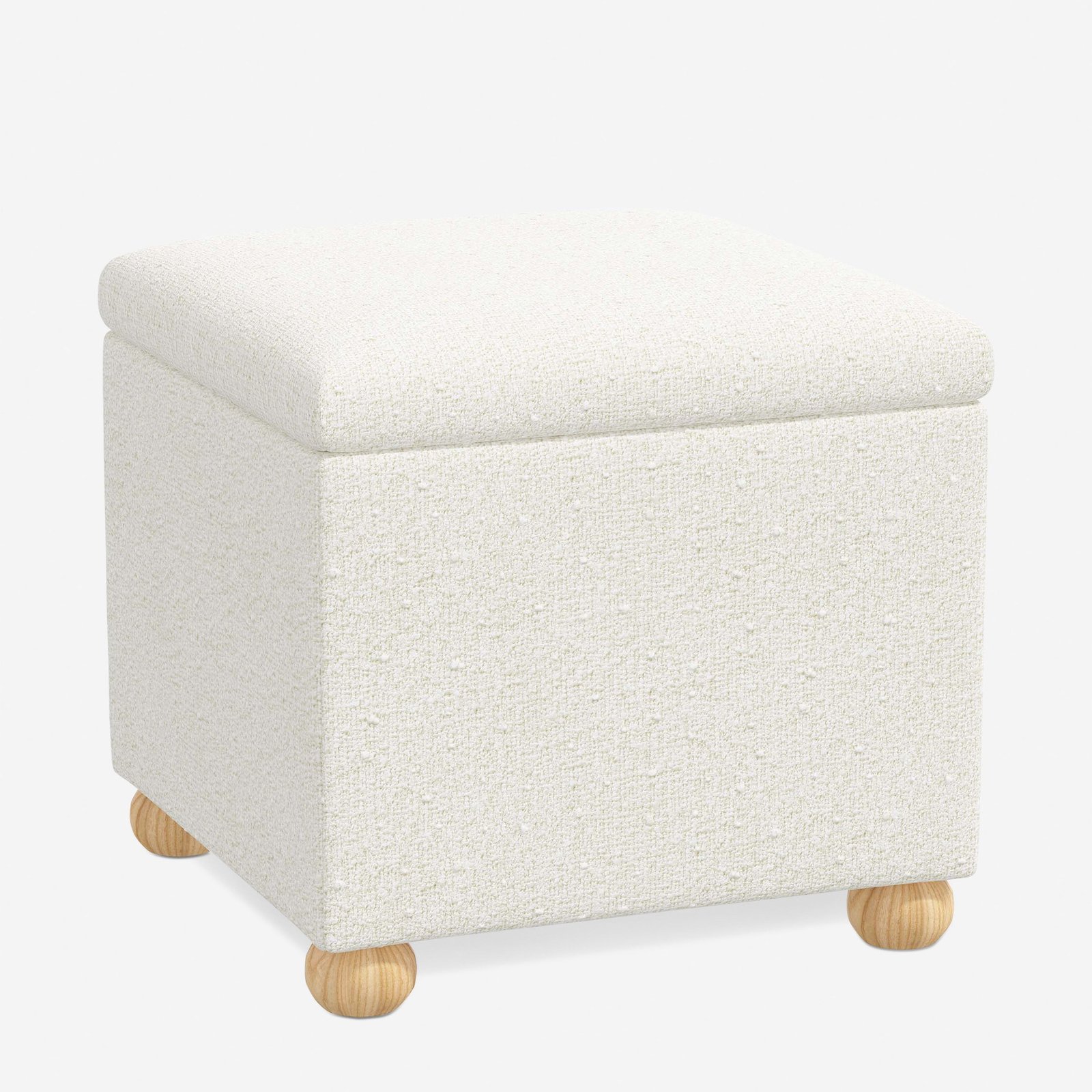
So if you’re a wholesale furniture manufacturer, a contract furniture supplier, or a B2B home decor manufacturer, here’s the positioning that wins:
“We don’t just manufacture product. We protect your SKU economics—through retail-ready packaging, clear Incoterms, repeatable specs, and reorder-proof execution.”
That’s what I call a real sourcing partner.