
A real home décor style review Shenzhen should output decisions, not vibes. The value is converting trends into design direction and style routes that your factory can execute—and retail can reorder.
Route A: Organic Mirrors (soft shapes, warm minimalism)
works for: modern retail + e-commerce
watch-outs: edge finishing, frame stability
production note: consistency in curves and symmetry
Route B: Gold leaf mirror (lux finish, higher perceived value)
works for: statement pieces, boutique, Middle East taste
watch-outs: finish drift and abrasion in packaging
production note: finish reference range must be defined
Route C: Islamic geometric mirror influences (patterned frames, structured proportions)
works for: Middle Eastern home decor programs
watch-outs: pattern alignment and surface protection
production note: strict QC around repeatability
Product curation: turn routes into a collection
Curation rules that keep buyers confident:
2–3 SKUs per route (not 20)
one shared material and finish logic
consistent naming + packaging architecture
NPD: the shortest path to bulk
A practical new product development (NPD) workflow:
brief → concept selection → sample → fit check (spec + packaging) → pre-production sample → bulk
Tie every step to measurable approvals, not subjective opinions.
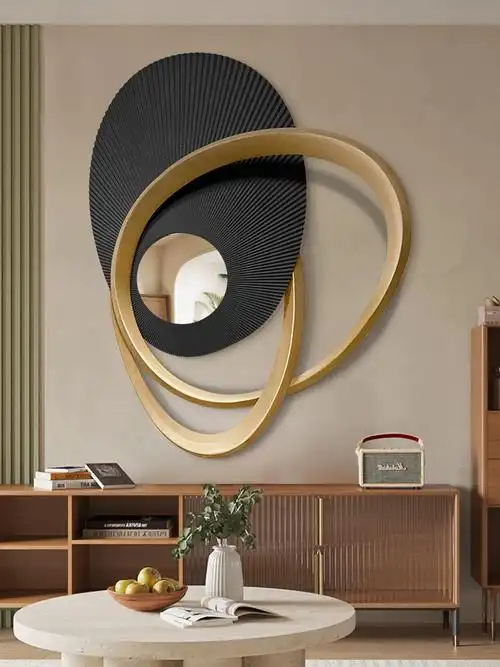
Teruier’s cross-border model makes routes easier to land: design feedback from market-facing perspectives, executed through the Fuzhou craft hub supply chain where materials, craftsmen, and techniques allow faster iteration without losing manufacturability.
Next: read “Saudi Fit-Out Mirror Supplier Guide: Hotel Supply + Phased Delivery + QC.”



