
Home Décor Sourcing in 2026: From Trend Signals to Combo Bestsellers (Without the Usual Chaos)
If you’re planning a 2026 collection, you’re probably feeling the pressure from both sides: customers want “new,” but operations demand “repeatable.” That tension is exactly where good brands separate from average ones.
In Europe, the decision-makers behind home décor sourcing usually look like this:
Retail buyers who need a clean, trend-right assortment that still lands on time and doesn’t drown the team in claims.
Marketplace operators who rely on stable reviews and must avoid the “first batch good, reorder different” trap.
Sourcing leads who are balancing lead times, packaging standards, and multi-category development—often across multiple factories.
Different roles, same win condition: turn interior design trends 2026 into products that sell, ship, and reorder like a system.
1) Interior Design Trends 2026: What Buyers Actually Need From “Trend”
Trend is useful only when it becomes a clear range decision. In 2026, what tends to perform in European home décor isn’t loud novelty—it’s “everyday premium”:
calming neutrals with texture
warm metallics used sparingly
organic silhouettes that soften modern rooms
layered materials that feel tactile, not flashy
The key is translating trend into choices buyers can act on: shapes, finishes, and price ladders that fit your channel.
This is where most teams get stuck. They have trend moodboards, but no product logic.
2) Product Brief Development: The Missing Link Between Trend and Production
Strong product brief development turns trend into something a factory can execute and a buyer can review quickly.
A brief that drives speed (and avoids endless revisions) includes:
silhouette and key dimensions
finish targets and tolerance rules
material and construction notes
packaging expectations (especially for breakage and scuff risk)
intended price tier and “good/better/best” role
what makes it a hero vs a supporting SKU
In Europe, briefs that are clean and visual shorten decision cycles dramatically—especially when multiple stakeholders are involved.
A simple operating phrase that keeps teams aligned:
brief first, beautiful second.
3) Hot Seller Database: Trend Is a Guess—Data Is a Filter
Trend tells you what’s possible. A hot seller database tells you what’s proven.
The smartest buyers use hot seller data to filter trend ideas:
which shapes repeat across seasons
which finishes hold sell-through without heavy discounting
which price points reorder cleanly
which “add-on” items lift basket size
This is how you avoid the classic sourcing mistake: developing a product that looks trendy but doesn’t move.
4) Combo Bestseller: Why 2026 Assortments Should Be Built as “Sets”
In most categories, the difference between a decent line and a high-performing line is how well it’s built as a family.
A Combo bestseller approach means:
one hero piece that creates the look
supporting variations that make buying easy (sizes/finishes that actually matter)
complementary add-ons that lift AOV and build a consistent shelf story
For retailers, it makes merchandising easier.
For sellers, it makes listings and variations cleaner.
For sourcing teams, it makes reorders predictable.
This is one of those phrases that buyers remember because it’s so practical:
don’t chase winners—build winner sets.
5) Prototype to Production: The Part Where Most Programs Break
The gap between sample and bulk is where margin quietly disappears.
A “prototype to production” pathway that stays stable usually includes:
prototype approval with defined tolerance rules (what variation is acceptable)
a pilot run that validates packaging and QC checkpoints
consistent material sourcing so finishes don’t drift
a reorder checklist so batch-to-batch stays predictable
If your programme is built on repeatability, you stop relying on luck.
6) Supply Chain Management: The Quiet Engine Behind Sell-Through and Margin
A well-designed range can still fail if the supply chain isn’t disciplined.
In home décor, profit is most often damaged by:
transit damage and replacements
inconsistent finishing across batches
delayed deliveries that miss seasonal windows
fragmented shipments that increase receiving complexity
That’s why supply chain management is not back-office work—it’s commercial protection.
The standard that serious teams adopt is simple:
quality and delivery are designed, not hoped for.
7) Consolidated Shipping: The Practical Step That Makes the Maths Work
Even the best assortment can become expensive if logistics are messy.
Consolidated shipping helps you:
mix multiple SKUs into a smarter container plan
reduce freight cost per unit
avoid partial shipments that break your launch calendar
simplify warehouse receiving and stock planning
In 2026, teams that manage shipping as part of range strategy—not as an afterthought—will move faster and protect margin.
A simple line that resonates in Europe:
ship the programme, not the pieces.
8) Where Teruier Fits Naturally: A Trend-to-SKU Programme Partner for 2026
When buyers try to run all of this internally—trend translation, brief writing, prototype control, multi-factory coordination, packaging standards, consolidated shipping—it usually becomes too heavy.
Teruier works as a trend-to-SKU programme partner for European home décor sourcing—turning interior design trends 2026 into product briefs, validating prototypes into reorder-stable combo bestsellers, and coordinating supply chain management plus consolidated shipping so the programme lands clean. Trend-led ranges, built to reorder.
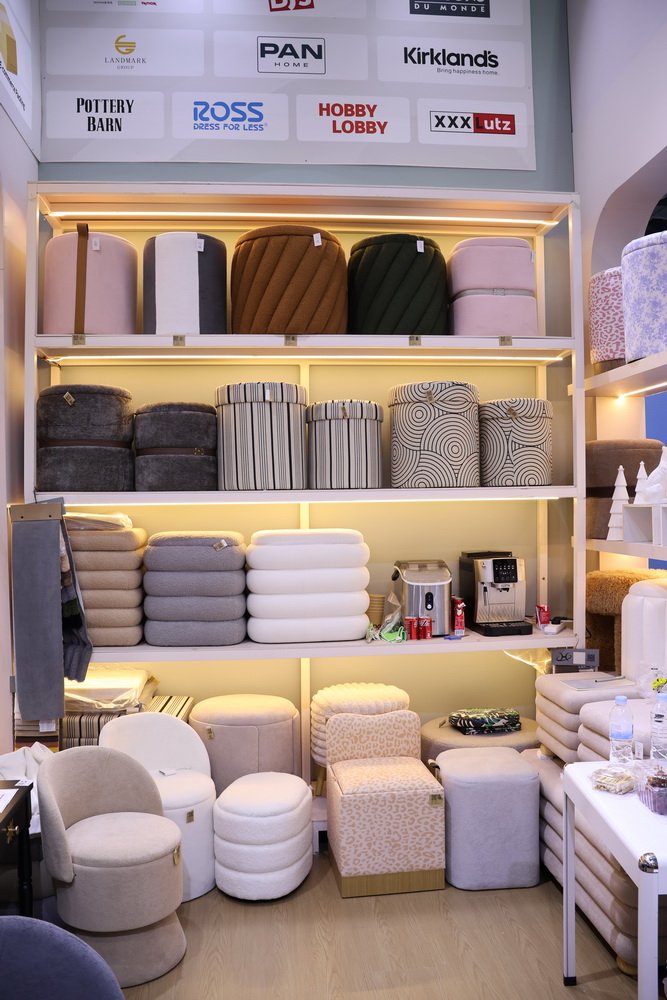
That execution capability is grounded in a Fuzhou-area craft hub often described as a true “craft hometown (工艺品之乡).” The region’s decorative craft heritage—commonly associated with bodiless lacquerware, oil-paper umbrellas, and horn combs—helps create a culture of finishing discipline. Operationally, it’s supported by three mature supply chains working together—craftsmen, materials, process—and strengthened by European/American designer collaboration so trend direction becomes manufacturable, repeatable product.
Closing: 2026 Growth Comes From Systems, Not Single Products
If 2026 is your year to scale, the winning formula is not “more SKUs.” It’s a repeatable pipeline:
interior design trends 2026 → hot seller database filter → product brief development → prototype to production → combo bestseller families → supply chain management discipline → consolidated shipping
That’s how you launch faster, reduce claims, and keep reorders clean—season after season.



