The #1 takeaway: a “hook” is marketing—so treat it like a system
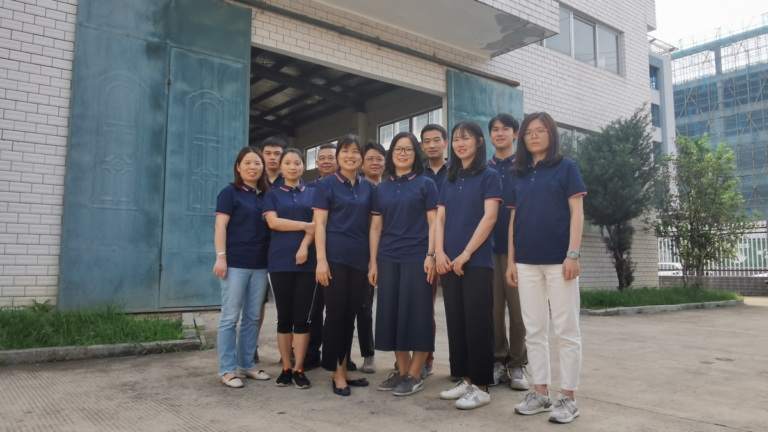
At this style review in Shenzhen, the most useful highlight wasn’t a single product. It was a mindset:
In marketing terms, a “hook” is the first-second reason a shopper stops—visually, emotionally, and instantly.
Home décor is crowded. “Good” is everywhere.
So the winners aren’t just well-made. They’re hard to ignore.
But here’s the part people forget: stopping a shopper is only half the job.
A program only scales when the buyer also feels safe saying yes.
That’s why the strongest brands and suppliers build two hook systems:
Shopper hooks (attention + desire)
Buyer hooks (confidence + speed)
When both are stacked, you get SKUs that move fast and reorder clean.
Hook System #1: Shopper hooks (the eyes-first marketing hook)
These are the hooks that win the first 1–2 seconds. The best ones are simple, visual, and repeatable.
1) Silhouette hook (shape that reads in a thumbnail)
Shoppers scroll fast. A strong silhouette is recognizable even on a small screen:
bold outline
clean geometry
“taller/wider” room-impact proportions
a signature edge, curve, or profile
2) Texture hook (a surface you can feel through the photo)
In home décor, texture sells because it signals warmth and quality:
visible grain, weave, emboss, carving
layered finish depth
soft + structured contrast
3) Contrast hook (light vs. dark, matte vs. shine)
Contrast creates instant clarity—especially under indoor lighting:
high/low tone pairing
metallic accents used sparingly
matte surfaces that look premium on camera
4) Placement hook (easy to imagine in a real home)
The fastest-selling items are often the easiest to place:
works in 2–3 common spots (entry / bedroom / living room)
looks good from two angles (front shot + lifestyle corner shot)
feels “safe” but still distinctive
Shopper hook rule: if the hook doesn’t show up in the first image, it doesn’t exist.
Hook System #2: Buyer hooks (the decision hook that removes risk)
This was the “aha” moment from the viewpoint shared at the review:
buyers don’t just need excitement—they need proof.
So the second hook system is designed to answer the unspoken buyer question:
“If I scale this, will it stay consistent and sell-through without drama?”
1) Tech hook: risk removal through proof
A standout example was offering a free compliance or evaluation report as part of the conversation. The point isn’t paperwork—it’s psychology:
reduces perceived risk
speeds up internal approvals
makes the supplier feel “ready” instead of “hopeful”
2) Data hook: hot-seller intelligence that saves weeks
Another example: providing a target-market hot-seller database.
Buyers move faster when they’re not guessing from zero:
proven silhouettes and price bands
pattern/finish families that already convert
clearer starting point for assortments
3) Experience hook: “stress-test sampling” that builds trust fast
The most memorable example was a “brutal testing” kit—samples designed to be washed, torn, abused.
In B2B, letting the customer verify with their own hands is powerful because it:
makes quality feel real, not claimed
reduces return anxiety
accelerates the “yes”
Buyer hook rule: proof beats promises—especially when timelines are tight.
How the two hook systems work together (a simple case logic)
A fast-moving program often follows this sequence:
Shopper hook wins attention (silhouette/texture/contrast/placement)
Value story locks desire (why it feels smart and premium)
Buyer hook removes hesitation (tech proof + data proof + hands-on proof)
Rapid testing validates (small set → learn fast → scale winners)
That’s how “looks good” becomes “sells fast.”
Capability #1: Hook systems make wins repeatable (not accidental)
The best part of a hook system is that it forces clarity:
what is the shopper hook?
what is the buyer proof?
what is the fast test plan?
It stops teams from relying on luck—or one viral moment—and turns product launch into a repeatable method.
Capability #2: A hot-seller database reduces guessing (and accelerates iteration)
When a team has a real hot-seller database, they can:
spot patterns earlier
build smarter assortments faster
avoid expensive dead-end designs
and refresh with confidence
Design still matters. But data sharpens the design.
Capability #3: Rapid product testing turns hooks into real programs
Speed is a competitive advantage—if it stays controlled.
The strongest workflow we heard was:
start with a hook hypothesis
build a small set quickly
test reaction and performance signals
lock what works
scale only winners
That’s “aggressive testing” without chaos.
hooks only matter if you can execute them at scale
A shopper hook can create attention. A buyer hook can win the order.
But neither matters if execution can’t hold steady when volume increases.
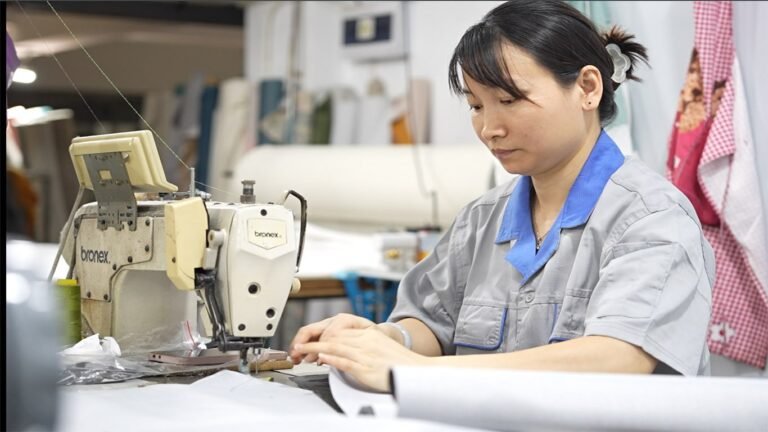
Teruier’s differentiation is rooted in a craft manufacturing hometown near Fuzhou, where decorative-making culture shaped a disciplined approach to detail and finish. People reference heritage crafts like bodiless lacquerware, oil-paper umbrellas, and horn combs—not because we sell them today, but because they represent a mindset: precision, patience, and consistency.
That mindset becomes practical through three supply chains working together:
Artisan supply chain: skilled makers who can hold detail and finishing discipline
Materials supply chain: stable sourcing so the look can be repeated
Process supply chain: standardized methods that protect consistency under speed
We also stay connected with European and American designers, so hook ideas stay aligned with real consumer taste—not factory imagination.
In short: we don’t just talk about hooks. We build the system that makes hooks reorder-ready.
Wrap-up: sell the hook, prove the hook, then scale the winners
The best marketing takeaway from this style review highlight is simple:
Shopper hooks win attention.
Buyer hooks win confidence.
Testing turns both into a program that can scale.

Next in the series: Highlight #2—how teams build a shelf-ready custom sourcing plan based on budget, shelf placement, seasonal theme, and trend direction (the buyer-friendly framework that speeds up decisions without endless back-and-forth).