
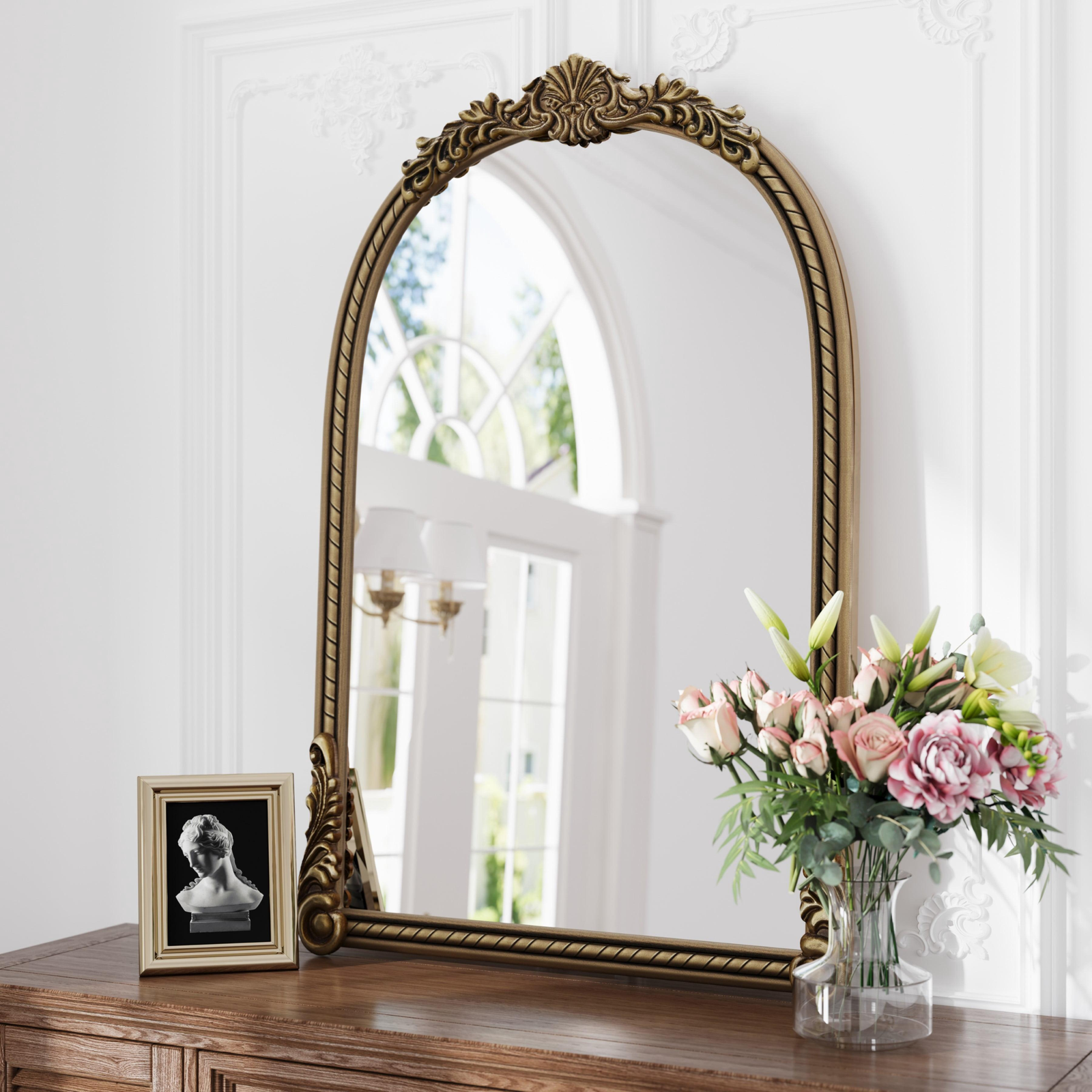
A home décor distributor can win three new retail accounts and still create a problem for the business.
Imagine supplying the same decorative mirror to an independent boutique, a regional home furnishings chain, and an online retailer. All three receive the same product, photographs, and specifications.
Within weeks, the stores begin comparing each other’s selling prices.
The problem is not necessarily product quality or wholesale cost. It is that every customer is competing with an identical offer.
For importers managing global home décor sourcing, product differentiation can be just as important as supplier pricing.
The solution begins with understanding the roles different retail customers play—and building a product range that gives each one a reason to buy.
Why Selling the Same Product Everywhere Creates Problems
Distributors often increase sales by expanding their retail network. However, selling identical products through overlapping channels can introduce several commercial challenges.
Independent shops may struggle to differentiate themselves from large online sellers. Regional chains may request product variations that are unavailable in the standard catalog. Online retailers may prioritize products that are easy to identify, compare, and ship.
The resulting pressure can encourage discounting, increase demands for special commercial terms, and weaken the perceived value of a distributor’s assortment.
That does not mean distributors should prevent legitimate retail price competition.
Instead, they can examine whether the underlying products offer enough differentiation for each customer group.
One Design Language, Different Retail Opportunities
Teruier’s decorative mirror range provides an example of how related products can serve different assortment positions.
Consider two existing models:
| Product Detail | MY3105 | MY3108 |
|---|---|---|
| Product | Vintage Gold Arch Wall Mirror | Braided Antique Gold Arch Wall Mirror |
| Overall dimensions | 89 × 4 × 60.5 cm | 95 × 5 × 76 cm |
| Net weight | 6.3 kg | 7.6 kg |
| Frame character | Clean, layered arch | Sculptural braided arch |
| Finish | Vintage gold | Antique gold |
| Potential retail positioning | Understated decorative collection | More expressive statement collection |
The Vintage Gold Arch Wall Mirror uses a relatively restrained frame profile.
The Braided Antique Gold Arch Wall Mirror introduces a stronger decorative border and different proportions.
Both belong to a related aesthetic family, but their visual identities are not identical.
For a distributor, this creates a potential merchandising opportunity.
A regional home store could evaluate the cleaner MY3105 as part of a broad decorative mirror selection, while a design-led retailer might consider the more expressive MY3108.
These are suggested channel positions, not verified sales performance or exclusive distribution arrangements.
The commercial question is whether each product gives a particular retail customer a distinct proposition.
Three Ways to Differentiate Without Developing an Entirely New Product
1. Select Different Products Within One Design Family
Not every retail customer needs the same model.
A distributor can offer related products with different frame profiles, dimensions, materials, or decorative details.
This approach can create visual continuity while avoiding an assortment built entirely from identical items.
It is especially useful when the supplier already has several established designs.
2. Explore Channel-Specific Product Specifications
A retailer may request an alternative finish, a different size, or distinctive packaging.
For example, a buyer might consider a warmer gold finish for one collection and a more textured frame for another.
However, changes must be commercially realistic.
A different finish can affect sampling, production consistency, minimum quantities, and cost. A dimensional change may require more extensive structural or tooling work.
Buyers should distinguish between selecting an existing model and commissioning a new variation.
Teruier can discuss these development requirements, but specific customization options and commercial conditions require confirmation.
3. Differentiate the Complete Retail Offer
Sometimes the physical product does not need to change.
Retailers can create value through different product selections, coordinated displays, product information, customer service, and complementary merchandise.
A distributor serving an independent boutique might provide a smaller, carefully curated selection.
A chain customer may need a wider selection with consistent product specifications and replenishment arrangements.
An e-commerce customer may place greater emphasis on photographs, individual packaging, shipping dimensions, and product data.
The objective is to serve distinct customer needs rather than artificially restrict competition.
The Distributor’s Channel Planning Matrix
Before committing inventory, a distributor can organize buyers according to their actual commercial requirements.
| Channel | Main Buying Priority | Product Planning Approach |
|---|---|---|
| Independent home stores | Distinctive selection, manageable investment | Curated products with clear design differences |
| Regional retail chains | Consistent assortment and dependable supply | Established product families and documented specifications |
| Online home décor sellers | Product information, packaging and fulfilment | Listings supported by accurate specifications and appropriate shipping protection |
| Interior design retailers | Finish, proportions and design identity | More specialized designs or feasible custom variations |
These distinctions are planning examples, not fixed rules for every retailer.
The distributor should verify individual customer needs before allocating products.
When Is an Exclusive Product Arrangement Worth Discussing?
A distributor may request a dedicated finish, private-label presentation, or exclusive product variation.
But exclusivity has a cost.
The supplier may need to reserve production capacity, develop new samples, manage separate materials, or restrict certain commercial opportunities.
Before asking for exclusivity, a distributor should consider whether the expected purchasing volume and commercial benefit justify these commitments.
A useful discussion should define the exact product or variation, territory if relevant, contractual duration, minimum purchasing commitments, and responsibilities for product development.
Importantly, legitimate product differentiation should not be confused with controlling resale prices.
For example, the UK Competition and Markets Authority warns that suppliers must not impose minimum resale prices on retailers. Distribution and pricing arrangements should be reviewed against the competition laws of the relevant markets.
See the UK CMA guidance on resale price maintenance.
Supplier Evaluation: Look Beyond the Catalog
When reviewing a decorative mirror supplier, an importer should ask more than whether the supplier has enough attractive designs.
A stronger supplier evaluation includes five questions:
- Does the supplier offer meaningful differences between related models?
- Can approved materials and finishes remain consistent across orders?
- Which product changes are possible without extensive redevelopment?
- Can the supplier provide accurate specifications, samples, and packaging information?
- What commercial conditions apply to different ordering configurations?
These questions help determine whether a supplier can support a distributor’s evolving customer base.
A large catalog is useful, but only when the distributor can translate its contents into understandable product selections.
What Teruier Can Contribute to a Distributor’s Product Strategy
Teruier works with international home décor importers, retailers, and wholesale buyers through its product-development and manufacturing resources in Fuzhou–Minhou, China.
Its decorative mirror range includes different frame forms, surface treatments, sizes, and visual styles.
This provides a foundation for discussing how related products might serve different retail accounts.
For example, an importer could begin by reviewing existing mirror models, identifying potential overlap between customers, and requesting information on alternative designs before commissioning new development.
If an existing selection does not meet a customer’s needs, Teruier can discuss product specifications, sampling requirements, and manufacturing feasibility.
The result may be a more commercially useful coordinated home décor collection—one that shares a recognizable design direction while giving different products clear roles.
This does not mean every collection requires exclusive SKUs or customized production.
In many cases, better selection and clearer product positioning are enough to improve a distributor’s offering.
FAQ
Should distributors sell the same home décor product to multiple retailers?
They can. Shared products may be commercially efficient, especially when customers serve different locations or market segments. The distributor should understand whether overlapping product offers create meaningful competition or customer concerns.
Does every retail channel need exclusive products?
No. Exclusive development should be justified by purchasing commitments, differentiation needs, production feasibility, and appropriate contractual terms. Existing product variations may offer a simpler alternative.
What should importers send when requesting a differentiated collection?
Provide the target retail channels, preferred product categories, selected reference models, desired finishes, estimated quantities, target market, and packaging expectations.
Build a More Distinctive Product Range With Teruier
For distributors, the value of global sourcing is not simply gaining access to more products.
It is finding the right products for different retail customers without creating unnecessary complexity.
Teruier supports international buyers in reviewing decorative mirror collections, discussing product variations, and coordinating relevant sourcing and development requirements.
Contact Teruier with your target retail channels, preferred product models, and purchasing requirements to discuss product selection, sampling, and wholesale quotations.