Germany Shoe Storage Ottoman Supplier: The One Product That Must Be “Boring” on Reorder
I’ll say it in a very German way:
If the second shipment is not identical, the first shipment was not a success.
That’s why buyers like me still search Germany shoe storage ottoman supplier—not because we need another “nice storage bench,” but because we need retail discipline: stable construction, controlled materials, and a clean path from idea to repeat production.
And yes, the timing is right. Across Europe, the 2026 direction is clear: craft, texture, and meaning—but executed with systems. Maison&Objet’s January 2026 theme “Past Reveals Future” is literally about balancing heritage and innovation.
Home decor trends 2026: texture + craft, with smarter production
The fairs are not whispering; they are pointing.
Heimtextil Trends 26/27 highlight how AI and craftsmanship merge—pushing “future-proof” cooperation models and sustainable methods.
Ambiente Trends 26+ set three style worlds—brave, light, solid—for Ambiente 2026 (Frankfurt, 6–10 Feb 2026).
Maison&Objet frames “Past Reveals Future” as a return to meaningful design in a world tired of homogenisation.
Translation for a shoe storage ottoman: customers want tactile comfort and a sense of craft, but retail needs repeatability.
New product development (NPD): the part suppliers talk about too late
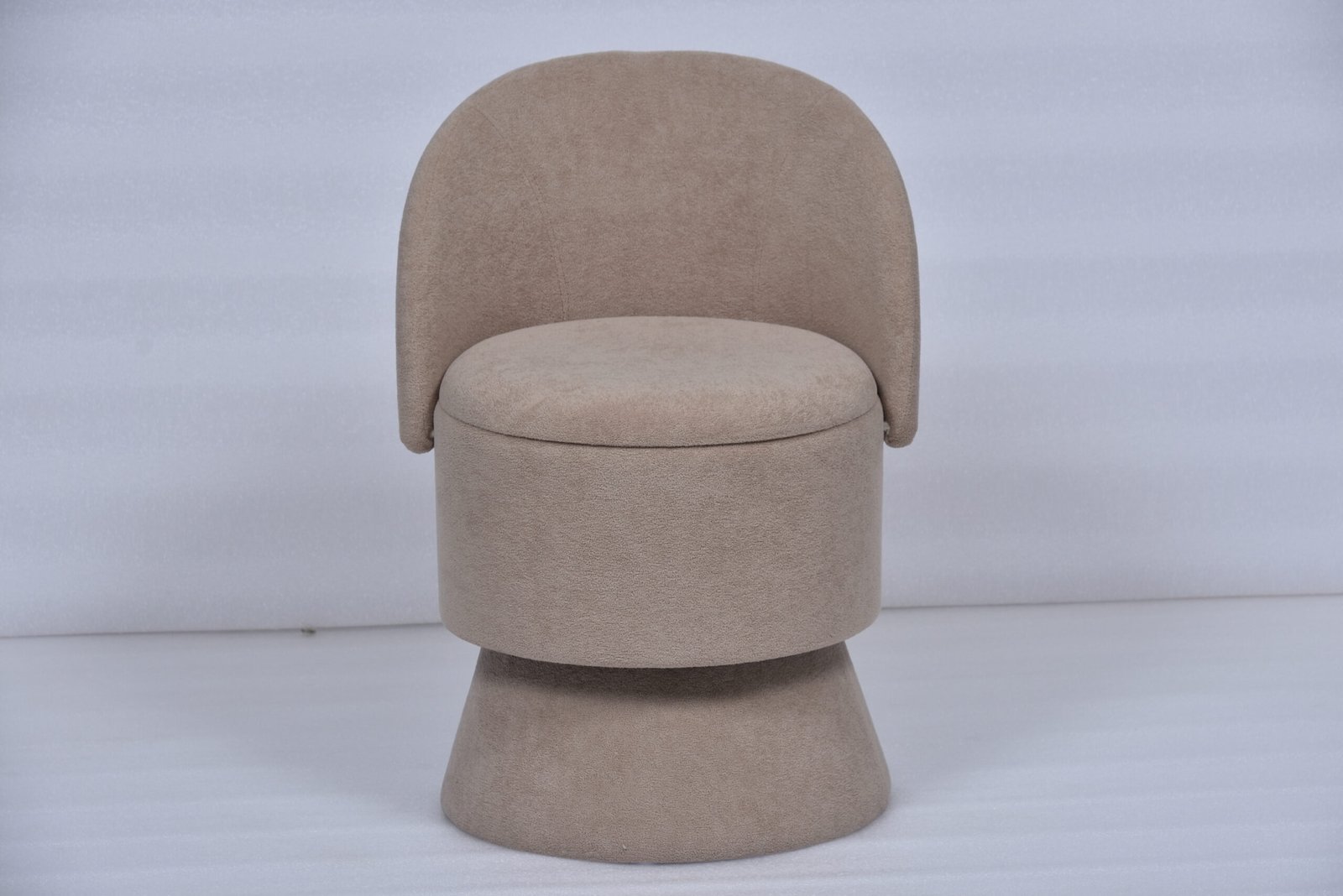
In my category reviews, the shoe storage ottoman looks “simple.” In reality, it is a daily-use stress test: sit, open, close, drag, kick, repeat.
So my new product development (NPD) rule is strict:
If you can’t document the build, you can’t scale the build.
A retail-ready NPD pack must include:
master reference sample (signed + archived)
locked bill of materials (fabric, foam, hinge method, base board)
tolerance rules (lid alignment, seam placement, leg height)
packaging spec (corner crush + fabric marking prevention)
This is what separates a supplier from a programme partner.
Prototype to production: where most “great samples” die
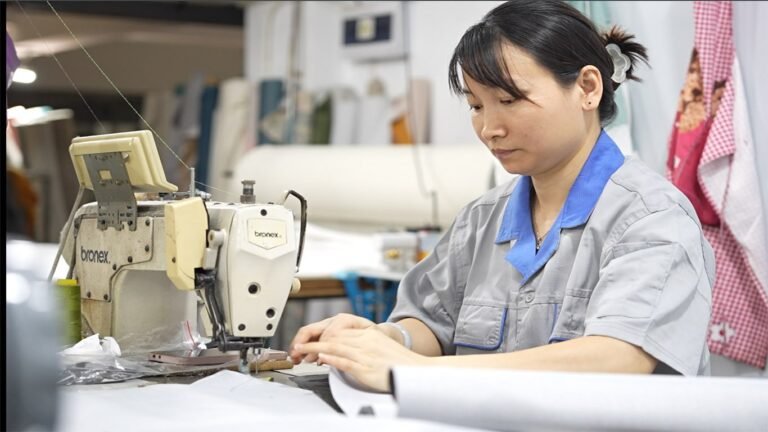
The dangerous zone is prototype to production. That’s where factories substitute foam, change hinge suppliers, or “improve” the pattern—without telling anyone.
My practical gating steps:
Prototype approval (fit, lid feel, storage volume, stability)
Pilot run (small batch using production materials, not sample materials)
Pre-shipment verification (same reference, same tolerances, same packaging)
Reorder rules (what is fixed vs what can change seasonally)
If a supplier cannot run this flow, the best design becomes a customer-service problem.
Retail-ready product development: the checklist I use in Germany
German retail is not forgiving with “close enough.” Even when living space per person is relatively high in Germany (around 49 m² reported for 2024), entryways still need practical organisation—shoes multiply faster than floor space.
For retail-ready product development, I score suppliers on:
Seat height & comfort (does it feel stable for a quick sit-down?)
Lid alignment + cycle test (no drift after repeated open/close)
Odour control (boards/adhesives properly aired)
Surface durability (fabric hand-feel stays consistent, no surprise pilling)
Packaging reality (carton protects corners and texture during transit)
Because customers do not “handle with care.” They handle with life.
The “upholstered accent chair supplier” standard (applied to ottomans)
If you claim you are an upholstered accent chair supplier, I expect chair-level discipline on an ottoman:
consistent fabric lots (no “this batch feels thinner”)
seam discipline on corners (where the eye goes first)
foam consistency (where the body goes first)
clean finishing under bright retail lighting (where returns are decided)
A shoe storage ottoman is basically an upholstered product with storage mechanics. Treat it like a chair, not a box.
What I want from a Germany shoe storage ottoman supplier in one sentence
I want a supplier who can take a 2026 texture trend from Europe’s show floor—and turn it into a repeatable SKU system, from NPD to the third reorder.
That’s also where Teruier fits: cross-border design-to-manufacturing coordination that turns “trend direction” into locked specs, controlled production, and boring reorders (the best kind of boring).
If you’re still evaluating partners, ask them one question that reveals everything:
“Show me your prototype-to-production process—and the document set you ship with every reorder.”