From Shenzhen Home Décor Style Review to Trend-to-SKU: The Fuzhou Craft Hub Advantage
A lot of home décor businesses can spot trends. Fewer can ship them—on time, at the right cost, with consistent quality.
That gap is exactly where a strong Product Curation Lead makes the difference. Your job isn’t to chase every “pretty idea.” Your job is to turn a Shenzhen home décor style review into a real assortment with clear product positioning, then drive trend to SKU development all the way through prototype to production—without losing the soul of the design or the discipline of manufacturing.
At Teruier, we do this with a specific edge: we’re rooted in the Fuzhou craft hub supply chain—a region known as a true “craft hometown,” with deep history and modern category strength in mirrors, ceramics, and décor accessories. And our process works because we connect that supply chain with European American designer collaboration in a way that’s structured, fast, and manufacturable.
Here’s how the system works.
1) Start With a Shenzhen Home Décor Style Review—But Don’t Get Stuck in Inspiration Mode
Shenzhen shows are intense: thousands of products, dozens of styles, endless “new.” The biggest risk isn’t missing trends—it’s bringing back too many.
A smart Shenzhen home décor style review should produce three outputs, not a photo album:
A short trend thesis (3–5 directions only)
A commercial filter (who will buy this, at what price tier, in what channel)
A SKU-ready action list (what we will prototype in the next 30 days)
This is where product positioning starts—not after you make samples.
2) Product Positioning: Turn Style Into a Buyer Decision (Not Just a Design Preference)
Home décor doesn’t win because it’s “nice.” It wins because it’s easy to buy and easy to merchandise.
A Product Curation Lead should position each trend direction with:
Target buyer (retail, importer, project, marketplace)
Use scenario (entryway, living room, hospitality, bathroom, gifting)
Price ladder (good / better / best)
Differentiator (what’s your reason-to-exist vs lookalikes)
When positioning is clear, development is faster—and your sales team doesn’t have to “invent the story” later.
3) Why the Fuzhou Craft Hub Supply Chain Is Different
Many suppliers talk about “capacity.” The Fuzhou region offers something deeper: a craft ecosystem that has been building decorative goods for generations.
Fuzhou is famous in Chinese craft history for items often called the “Fuzhou Three Treasures”—including bodiless lacquerware, oil-paper umbrellas, and horn combs—craft traditions that shaped a culture of precision, surface finishing, and material mastery.
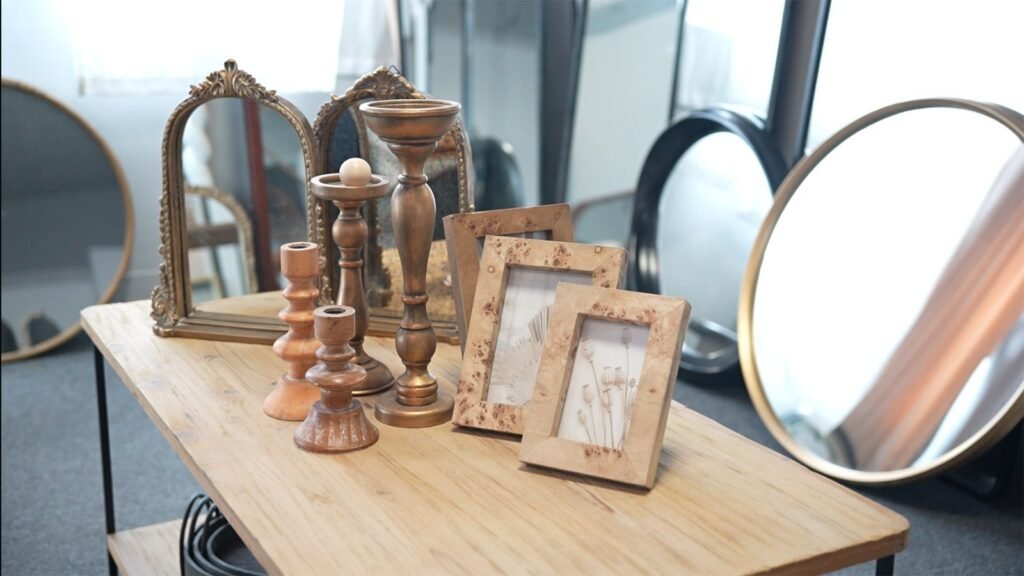
Today, that craft heritage shows up in modern categories like mirrors, ceramic décor, frames, and mixed-material accessories. More importantly, the region isn’t one factory—it’s a three-layer supply chain that makes development predictable:
1) Craftsmen supply chain
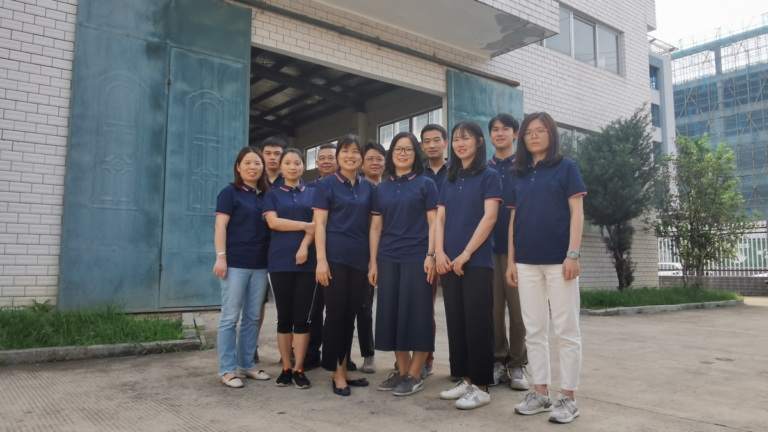
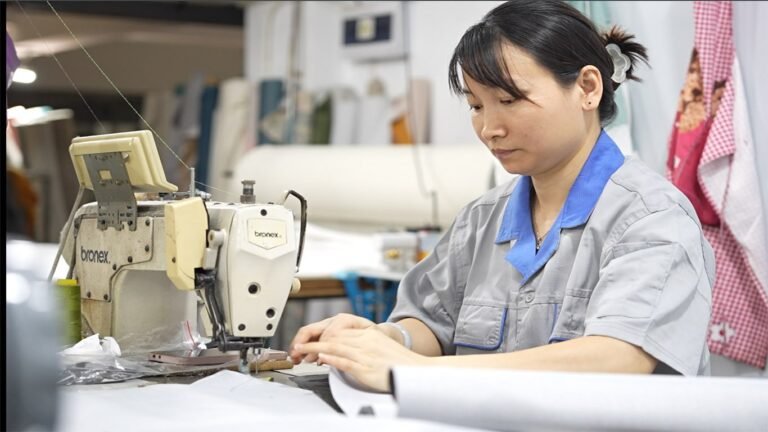
Skilled hands for finishing, detailing, assembly, and quality consistency.
2) Materials supply chain
Stable access to glass, resins, metals, ceramics, coatings, packaging—so prototypes don’t die from material delays.
3) Process supply chain
Repeatable workflows: jigs, polishing standards, coating systems, QC checkpoints—so “good sample” becomes “good production.”
That’s the difference between “we can make it” and “we can scale it.”
4) European American Designer Collaboration: The Right Way to Use Designers
Design collaboration fails when designers create beautiful things that factories can’t repeat—or when factories copy trends without understanding what shoppers want.
Real European American designer collaboration is a translation layer:
Designers bring consumer-facing taste: proportion, finishing cues, how pieces look in real homes.
The Fuzhou craft network brings production reality: material behavior, finishing tolerance, cost drivers.
The Product Curation Lead connects the two and makes decisions fast.
This is how you avoid the two most common mistakes:
“Art samples” that never scale
“Factory trend copies” that don’t sell because they feel generic
5) Trend to SKU Development: A Simple Pipeline That Keeps Momentum
Here’s a working trend to SKU development pipeline you can run every season:
Step A: Trend thesis → SKU families
Don’t start with 50 designs. Start with 3–5 SKU families that can expand:
shape language
finish family
size family
material combo
Step B: Build a tight prototype list
A product curation lead should ask:
“What’s the minimum set of prototypes that proves the trend and the margin?”
Step C: Lock the “retail logic” early
Before sampling, decide:
the display story (how it will be merchandised)
the price ladder
the packaging standard
the reorder plan
That keeps you from building random samples with no assortment logic.
6) Prototype to Production: Where Most Trend Projects Die
The hardest part is crossing the bridge from prototype to production.
In the Fuzhou craft hub system, this bridge gets stronger because the three supply chains work together. But you still need a disciplined method:
Prototype Round 1: Form + proportion
Focus on silhouette and feel. Approve shape before chasing perfect finishes.
Prototype Round 2: Finish + materials
Test the finishes and materials that create the “premium read”—and confirm they can be repeated.
Prototype Round 3: Production-ready sample
Now you validate:
packaging protection
assembly workflow
QC checkpoints
stable lead time
When you do this, prototype to production becomes a process, not a crisis.
7) The Product Curation Lead’s Real Job: Protect Speed and Identity
A product curation lead is basically the “CEO of the assortment.”
You’re responsible for:
speed (shipping trends before they fade)
identity (making sure you’re not just another lookalike catalog)
manufacturability (ensuring repeat orders don’t collapse)
Teruier’s differentiation is that we don’t treat “design” and “manufacturing” as separate worlds. We connect:
Shenzhen trend observation
EU/US designer translation
Fuzhou craft hub execution
…into one continuous loop that turns trends into SKUs and SKUs into repeat orders.

Closing: If You Can Ship Trends Reliably, You Win
Anyone can post trend photos. Not everyone can deliver a consistent assortment that buyers reorder.
When you combine:
a sharp Shenzhen home décor style review
clear product positioning
structured European American designer collaboration
the Fuzhou craft hub supply chain (craftsmen + materials + process)
and a disciplined prototype to production system
…you get a real competitive advantage: reliable trend-to-SKU execution.
If you want, I can turn this into a one-page internal SOP for your team:
“Trend Review → Positioning → Prototype Plan → Production Gate Checklist” (copy/paste format you can reuse every show season).