
Custom Home Decor Accessories That Reorder (Not Just Look Good in a Sample Box)
Every buyer has seen this movie: the sample is perfect, the photos look premium, and the first PO sells well—then the second PO arrives slightly different. A warmer “white.” A shinier “matte.” A tiny edge detail that changes the entire feel.
That’s why sourcing custom home decor accessories isn’t really about “finding products.” It’s about building a repeatable supply outcome—one that stays stable across reorders, season resets, and channel shifts.
Trend-to-shelf accessories, built to reorder.
The real buyer picture (quietly shaping what you should source)
When buyers say they need “home decor accessories,” they usually mean: fast-turn, easy-to-style pieces that work across multiple rooms and sell without heavy education.
In practice, the audience looks like this:
Region: U.S./EU retail and global e-commerce, with GCC and hospitality also pulling from the same neutral-and-texture trend cycle
Customers: chain buyers, off-price teams, boutique retailers, marketplace sellers, and interior designers
End users: renters and homeowners doing quick refreshes; gift buyers looking for safe, tasteful options
Group tendency: décor purchases often skew toward women 25–44 as primary decision-makers, while neutral accessory assortments also sell strongly to couples furnishing new homes
Price band: affordable premium to premium—small items can carry great margin if quality and packaging stay consistent
Use scenarios: entryway consoles, coffee tables, shelves, bedside styling, office reception counters, and staged interiors
This is why the “best” accessory assortment is rarely the most complicated one. It’s the one that feels coherent, looks premium, and arrives perfect.
What “custom home accessories supplier” should actually mean
A custom home accessories supplier isn’t just someone who will put your logo on a box. The best suppliers can do three things at the same time:
Translate style into specs
They can take a mood direction and lock it into manufacturable details: finish references, tolerances, and a master sample that becomes the production truth.Run small pieces like a program
Accessories are deceptively hard: many SKUs, many materials, lots of hand-finishing. A good supplier keeps consistency across batches and across different sub-factories.Protect the outcome through packaging
This is where margin is won or lost—especially for fragile, surface-sensitive, “premium feel” pieces.
If a supplier can’t do all three, they may still be a vendor—but they won’t be a long-term scaling partner.
Home decor accessories wholesale: why assortment discipline beats “more SKUs”
For home decor accessories wholesale, buyers often get trapped by variety. But in retail, cohesion sells.
The cleanest wholesale logic is usually:
a neutral base (safe, high-repeat)
one or two texture stories (adds premium feel)
a small number of statement accents (creates excitement and display power)
That structure makes it easier for stores to set displays and easier for e-commerce teams to merchandise collections. It also makes reorders easier—because you can repeat the core while rotating seasonal highlights.
Custom packaging: the hidden profit lever most buyers underestimate
If you sell premium-feel accessories, custom packaging isn’t a “nice touch.” It’s a profit system.
Custom packaging protects margin in three ways:
Damage reduction: fewer chips, scratches, crushed corners, broken sets
Return reduction: fewer “arrived imperfect” complaints (the #1 review killer)
Brand perception: customers feel premium before they even touch the product
The best packaging isn’t always expensive—it’s specific. It prevents surface rub, protects corners, stabilizes movement, and survives compression in real logistics. For accessories, that’s often the difference between a 4.2 product and a 4.6 product.
Where the craft hub advantage shows up (without needing to say it loudly)
When you’re sourcing custom home decor accessories, the supply base matters—because accessories depend on finishing.
A Fuzhou craft hub (Hometown of handicrafts) typically offers a practical advantage because three supply chains are dense and mature in the same region:
craftsmen who understand finishing discipline
materials availability for stable sourcing
process depth for repeatable surface outcomes
And the region’s craft heritage—often associated with long-standing traditions like bodiless lacquerware, oil-paper umbrellas, and horn combs—reinforces a culture where surface and detail tolerance are taken seriously. In modern accessories, that becomes what buyers feel most: consistency, not surprises.
How Teruier fits naturally in this story
If your goal is to scale home decor accessories as a repeatable program, you need more than a catalog—you need coordination. That’s where Teruier’s model is most useful: bridging trend direction, manufacturable specs, finishing discipline, and packaging outcomes into one buyer-friendly workflow.
Rooted in a craft-hub supply base and strengthened by European/American designer collaboration, the result is the kind of “quiet reliability” buyers want: custom home decor accessories that look intentional, ship clean, and reorder without drift—supported by custom packaging designed around real-world transit, not showroom handling.
Reorder-ready accessories, packaged for real logistics.
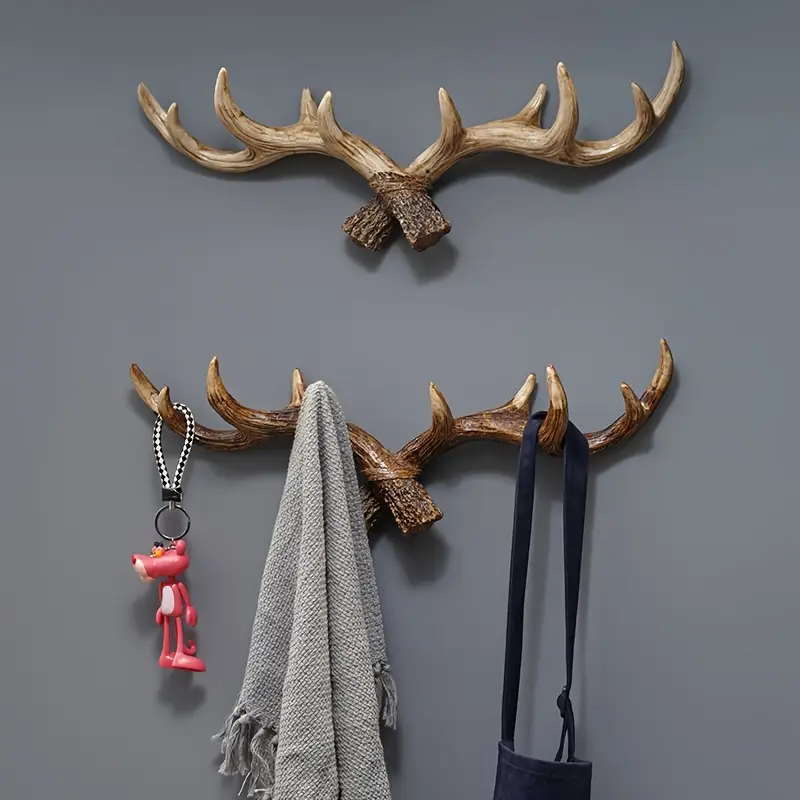
the repeatable formula for custom accessories
If you want to source custom home decor accessories that don’t become a headache on reorder, keep the system simple:
choose a custom home accessories supplier who can lock specs and repeat finishes
build a coherent home decor accessories wholesale assortment (core + texture + a few statements)
treat custom packaging as margin protection, not decoration
stay rooted in a craft-capable supply base where finishing consistency is cultural, not accidental
That’s how accessories stop being “one-time winners” and become a collection that grows with every reorder.



