
Most suppliers talk about “quality.” Few can explain how quality is actually produced—especially when you’re coordinating designs across countries, languages, and buyer expectations.
That’s what cross-border design manufacturing coordination really is: the system that turns intent into repeatable output.
The problem: design speaks one language, manufacturing speaks another
Designers think in:
proportions, mood, shelf presence
Manufacturing must solve:materials, tolerances, packaging survival, lead times
Without a coordination model, you get the classic failure:
the sample looks amazing, and bulk drift destroys it.
The coordination model that works
A real coordination workflow includes:
trend direction brief (what we’re building and why)
SKU structure (roles, sizes, finishes)
material + finish rules (reference + tolerance)
packaging architecture (damage prevention plan)
QC checkpoints (what stops defects upstream)
reorder logic (core + seasonal, stable lead times)
That’s retail-ready product development, not “product photography.”
Why the Fuzhou craft hub supply chain is different
Fuzhou isn’t just a manufacturing zone. It’s a craft ecosystem with depth—what we call an artisan supply chain built on three pillars:
Craftsmen: skilled makers with repeatable finish technique
Materials: stable sourcing for frames, finishes, backing, hardware
Techniques: the process know-how that makes “nice” repeatable
And there’s cultural gravity here too—Fuzhou has long craft traditions that shaped how people treat workmanship. When a region has craft history, it tends to produce industries that respect process.
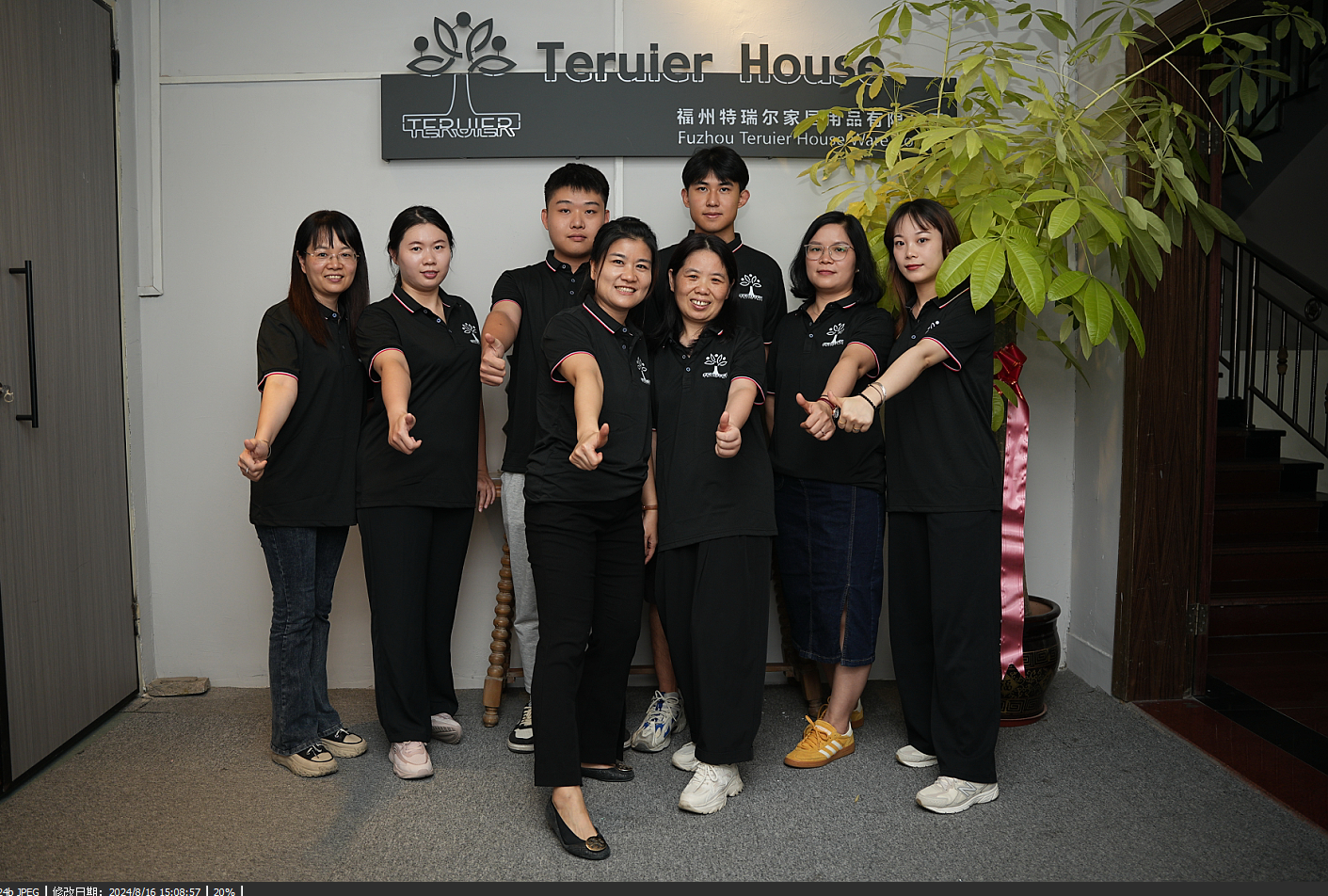
this is literally your differentiation
This is exactly where the Teruier cross-border design manufacturing collaboration model becomes a business advantage: you’re not selling “a factory,” you’re selling a coordination engine on top of a craft ecosystem. That’s why you can do trend-based curation, stable finishes, and bulk readiness without losing design character.
Next read: Want to operationalize this in real sourcing work? Go to “Retail Sourcing Trip Playbook: Build a Home Décor Supplier Team.”



