
Ceramic Quality Control & Packaging for Shipping: The European Buyer’s System (No Drama, Just Results)
Ceramics look calm, but the business can be chaotic.
If you’re selling ceramics in Europe—online, retail, or project supply—you already know the two biggest profit killers:
defects that slip through (ceramic quality control gaps)
breakage in transit (ceramic packaging for shipping that isn’t engineered)
Add one more reality: European customers increasingly care about ethical manufacturing and consistent supplier standards. And if you’re doing development work, poor prototype cost control can quietly drain your budget before you even launch.
The good news: all of this is fixable—with a simple system that connects QC, packaging, ethical readiness, and clean sampling practice.
At Teruier, our edge comes from where and how we operate. We’re rooted in a Fuzhou-area craft hub (a real “craft hometown”) shaped by generations of decorative craft heritage—often linked to classic crafts like bodiless lacquerware, oil-paper umbrellas, and horn combs. That culture creates respect for finishing and consistency. Operationally, the ecosystem is strong because it runs on three supply chains: craftsmen, materials, and process. And we layer in EU/US designer collaboration so the products are market-relevant, not generic.
Here’s the practical guide.
1) Ceramic Quality Control: The 7 Checks That Prevent Returns
Most ceramic defects are predictable. If you build a checklist, you catch them early.
A QC checklist European buyers should insist on:
Warping / shape distortion
Especially common on plates, trays, and wide vases.Wobble base
A table-top ceramic that doesn’t sit flat = instant negative review.Pinholes and glaze bubbles
Small defects that look “cheap” in close-up photos.Glaze colour consistency
Reactive glazes are beautiful—but variation needs clear tolerance rules.Cracks (hairline) and stress lines
Often invisible until shipping or temperature change.Edge chips and sharp edges
Chips destroy the “premium feel” and create safety complaints.Weight and thickness consistency
If the piece varies too much, packing becomes unreliable and breakage increases.
Good QC isn’t only inspection at the end. It’s checkpoints during production, plus an agreed “acceptable variation” rule—especially for handmade-look finishes.
2) Ceramic Packaging for Shipping: Engineer It Like You Expect Impact
Ceramics don’t break because the carrier is “bad.” They break because packaging assumes gentle handling.
For Europe, packaging needs to handle:
multiple touches in transit
stacking pressure
drop impact
humidity changes
The packaging system that works:
Individual protection for each piece (not “pieces touching”)
Edge and rim protection (most breaks start at rims)
Void fill control so pieces cannot move inside the box
Double boxing for fragile/high-value items (inner + outer carton)
Consistent carton strength and clear orientation labelling
And the real secret: match packaging to the product’s weak points.
Vases: protect lip and shoulder
Bowls: protect rim
Sculptural pieces: protect protruding details
If you package ceramics like “generic décor,” you’ll pay in damage claims.
3) Ethical Manufacturing: What European Buyers Expect (And Why It Matters)
In Europe, ethical standards aren’t just PR. Retailers and marketplaces often require proof of compliance and consistent factory practices.
Ethical manufacturing in ceramics typically means:
safe working environment and health & safety routines
clear working hours and wage records
responsible material handling (glazes, dust control)
documented processes and traceability
Ethical readiness improves profit too, because it reduces production disruption and improves long-term supplier stability. Stable factories ship on time.
4) Prototype Cost Control: Stop Paying for “Nice-to-Have” Changes
Ceramic sampling can become a black hole when teams keep changing:
size after mould decisions
glaze direction every round
surface texture that increases defect rate
“special” packaging late in the process
Simple rules for prototype cost control:
Lock dimensions before tooling (after that, changes become a new SKU)
Use a glaze library (reuse proven finishes across the collection)
Limit custom effects until you confirm commercial demand
Confirm packaging requirement early (don’t “add it later”)
Cost control doesn’t mean boring design. It means designing for repeatability and margin.
5) Sample Staging and Setup: Make Buyers Say “Yes” Faster
This sounds small, but it’s powerful: sample staging and setup affects buyer confidence.
When buyers review ceramics, they judge:
colour accuracy
texture quality
scale and proportion
premium feel in real lighting
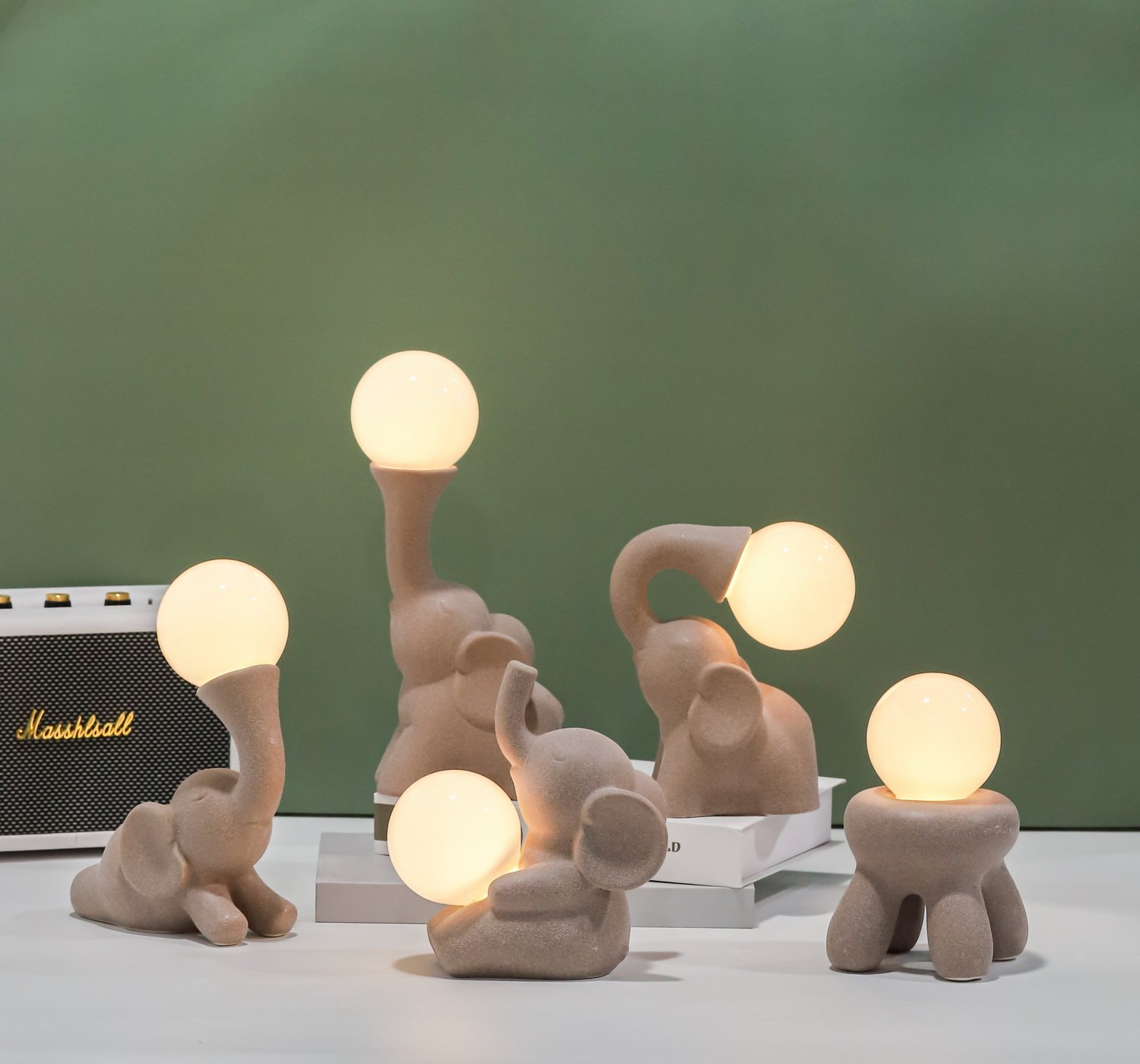
A professional sample setup should include:
neutral background and consistent lighting
close-up shots for glaze texture and edges
lifestyle styling that shows scale (table/console context)
a simple “collection story” so it looks curated, not random
This is where international design input matters. EU/US designers help ensure styling feels like a real European home, not a factory display.
6) Why Teruier’s Craft Hub Base Improves QC and Packaging Outcomes
Ceramics require discipline in finishing and consistency, not just “capacity.”
Our Fuzhou-area craft hub advantage shows up in three ways:
Craftsmen supply chain
Experienced hands for finishing checks and detail discipline.Materials supply chain
Stable sourcing for clay/glaze inputs and packaging components—so production doesn’t drift.Process supply chain
Repeatable workflows and QC checkpoints—so the approved sample matches bulk production.
This is rooted in a local culture shaped by decorative craft heritage (the same region historically linked with refined craft traditions), which builds a mindset: details matter.
Closing: The European Formula for Profitable Ceramics
If you want ceramics to scale in Europe, you need one connected system:
strong ceramic quality control (predictable checks, clear tolerance rules)
engineered ceramic packaging for shipping (protect weak points, prevent movement)
stable ethical manufacturing standards (for trust and continuity)
disciplined prototype cost control (so development stays profitable)
professional sample staging and setup (so buyers commit faster)
That’s how you move from “nice samples” to a repeatable, reorder-friendly ceramic programme.



