
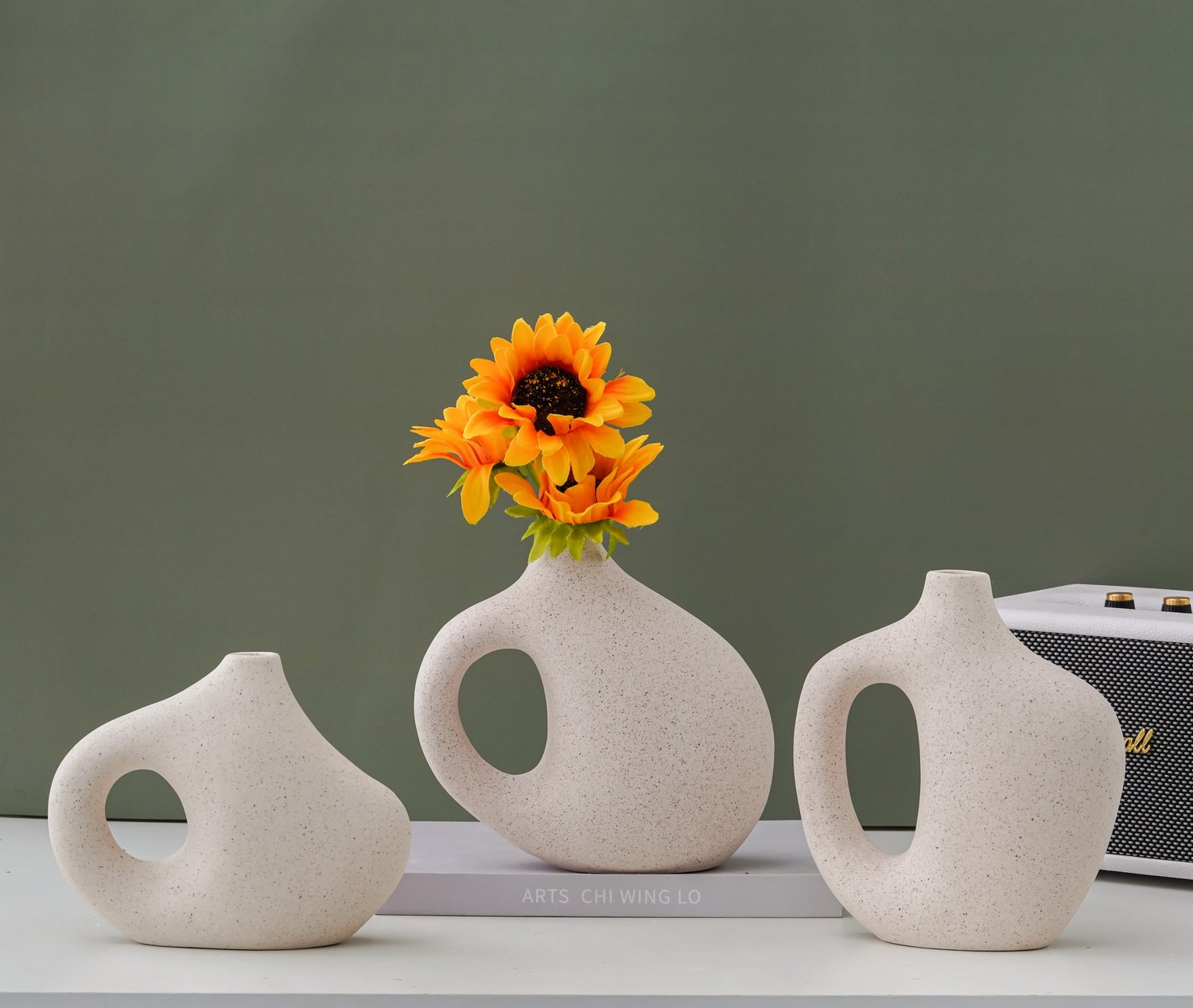
Ceramic Home Decoration Is Back—But Only Suppliers With “Retail Muscle” Will Win the Reorder
Why ceramic home decoration is suddenly a “buyer priority” again
Here’s what I’m seeing from the buying side: ceramics are no longer “nice accents.” They’re becoming the fastest way to refresh a floor set without rewriting the whole assortment—especially as U.S. shows lean harder into color, personality, and tactile finishes.
At Atlanta Market, coverage and exhibitor highlights pointed directly to a shift toward more colorful décor—ceramic vases included.
NY NOW’s Winter 2026 messaging also called out bolder colors/florals and products that create emotional, sensory engagement—exactly where ceramics shine.
And Las Vegas Market Winter 2026 continues to be a high-velocity scouting ground for new home décor lines, including lots of fresh ceramics coming through major brands’ launches.
Translation: demand is there—but only if the supplier can ship consistent, photo-accurate ceramics at scale.
What I look for in a ceramic home decor supplier (before we talk price)
If you’re pitching me as a ceramic home decor supplier for home accessories wholesale, I’m not asking “Can you make it?” I’m asking “Can you repeat it?”
My buyer checklist is simple:
Finish lock: one approved “golden sample” and clear tolerance (glaze tone, gloss, texture)
Sampling discipline: a real acceptance sampling method for bulk inspection (AQL-style thinking isn’t optional at volume; ISO 2859-1 is built around AQL-indexed sampling for attribute inspection)
Packaging plan: engineered protection, not “we’ll pack carefully” (more on that below)
Change control: if clay body, glaze, kiln schedule, or carton spec changes—re-approval happens before production, not after returns
That’s the difference between “decorative ceramic wholesale” that looks good in a showroom and wholesale ceramic home decor that survives real retail.
Ceramic vase set strategy: why sets beat singles in 2026
If you want my reorder, don’t sell me one hero vase—sell me a ceramic vase set program.
What works on the floor (and online) is usually:
A size ladder (3-piece or 5-piece family): small / medium / tall with consistent silhouette language
One finish story across the set: retailers hate “almost matching”
Merch-ready pairing rules: vase + bowl + candleholder in one palette so stores can build an instant vignette
This is how a supplier turns ceramics into a repeatable assortment instead of a one-time purchase. It also makes your production more efficient: fewer unique finishes, clearer QC, faster replenishment.
Packaging that protects ratings (and why plastic-free still has to perform)
Ceramics don’t get returned because they’re ugly. They get returned because they arrived chipped, scratched, or “not like the photos.”
If your ceramics are meant for modern fulfillment networks, use an objective benchmark: Amazon’s packaging requirements include that boxed units must be six-sided and must not easily give way when pressure is applied.
Even if you’re not shipping into Amazon, that pressure-resistance mindset maps to how cartons get stacked, squeezed, and moved in the real world.
Now, about eco expectations: yes, buyers increasingly want fewer plastics—but “eco” doesn’t mean fragile. If you’re proposing paper-based protection (like honeycomb wrap), it still has to immobilize the unit and protect corners. A good supplier treats packaging like engineering, not branding.
The compliance question I ask every ceramics supplier (and why)
If your product might be used near food or drink (and customers do unpredictable things), I want you to understand the risk. The FDA notes that some ceramic foodwares have been found to leach significant lead from potential food-contact surfaces and provides regulatory guidance around that issue.
Buyer translation: I’m not trying to turn décor into dinnerware. I’m trying to avoid a compliance surprise that can derail a program.
Where “wholesale manufacturing network” becomes your advantage
The best ceramic programs I buy aren’t coming from one factory doing everything. They come from a wholesale manufacturing network that’s coordinated like one system: consistent finish standards, shared packaging rules, and one accountable owner who can keep sample-to-bulk alignment tight.
That’s where Teruier fits best: not just as a supplier of ceramic home decoration, but as the operating layer that turns trend-driven ceramics into reorder-ready sets—built for real retail pressure.



