
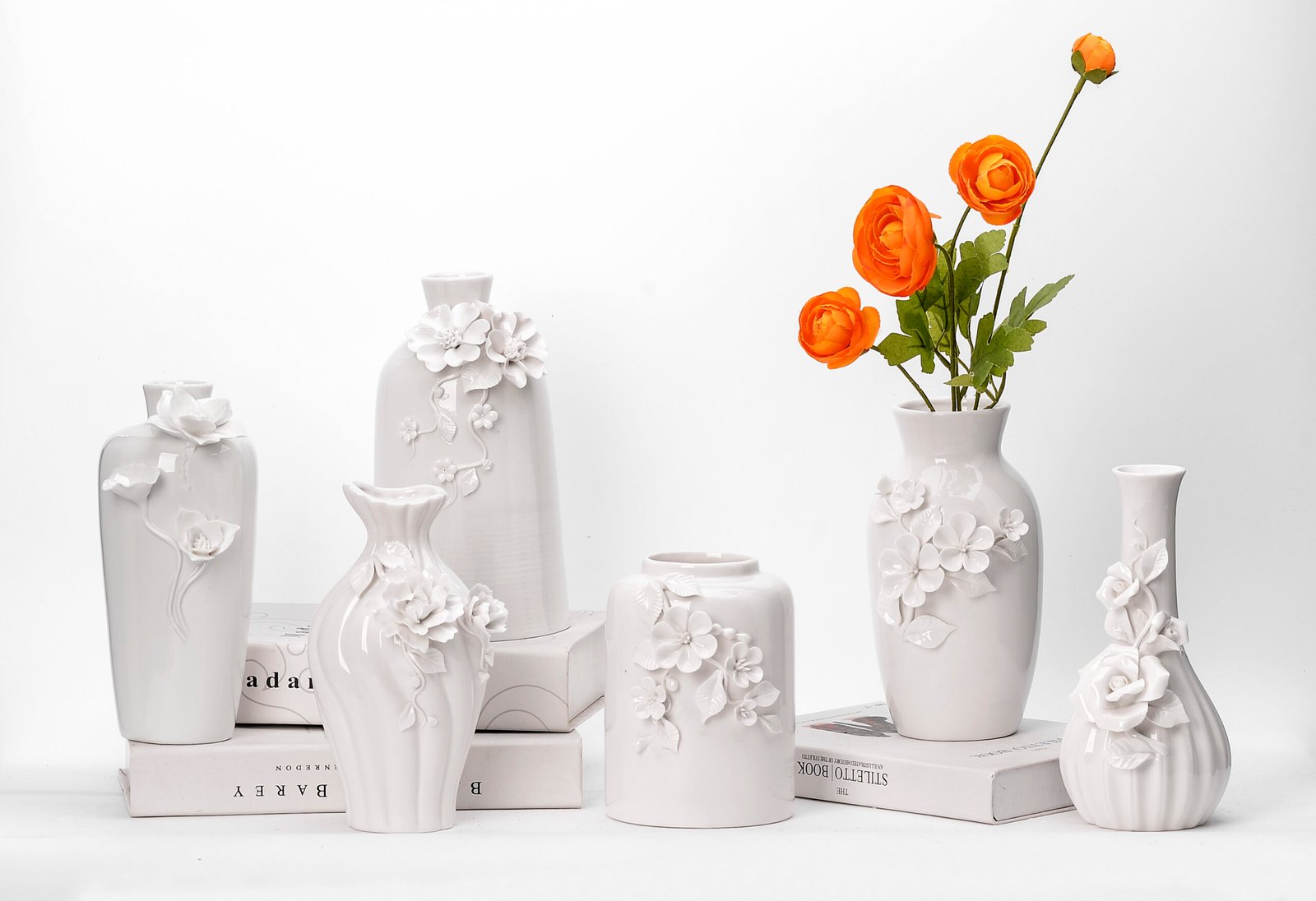
Ceramic Home Decoration Is a Trend… Until It Ships. Here’s How Buyers Build “Reorder-Ready” Ceramics.
The 2026 show signal is clear: ceramics are the new “fast refresh”
From my buyer seat, ceramics are back in the power position—not because we suddenly “love vases again,” but because ceramics let us refresh an assortment fast: color, texture, personality, and margin in one move.
At NY NOW Winter 2026 (Javits Center), the tone is explicitly “curated home”—with a spotlight on artisans creating bespoke ceramics and architectural tabletop accessories.
At Atlanta Market, editors’ picks leaned into visual-impact accents (including statement vases) that read bold and merchandisable.
And in Las Vegas, major brands are treating ceramics like headline product—playful, colorful launches designed to become immediate best-sellers.
So yes—ceramic home decoration is having a moment. But buyers only reorder what survives reality.
Cross-border product curation: what buyers actually mean
When I say cross-border product curation, I don’t mean “send me more catalogs.” I mean: take overseas ceramic capability and turn it into a retail program that photographs cleanly, ships safely, and replenishes predictably.
My curation checklist is simple:
One finish story (so the collection doesn’t look like leftovers)
One size ladder (so stores can build a display fast)
One packaging standard (so damage doesn’t eat margin)
One QC rule (so the second PO matches the first)
One ownership model (who controls changes—glaze, clay body, carton spec)
That’s how home accessories wholesale becomes a system, not a guessing game.
Wholesale ceramic plant pots: where demand meets breakage risk
If you’re building wholesale ceramic plant pots, you’re riding a real category tailwind. Market reporting pegs the North America pots & planters market at $5.8B (2025) and projecting $6.1B (2026).
And the broader indoor plants market is also projected to grow (2025→2026), which keeps planters in the “replenish, don’t just test” bucket.
Buyer requirement (not optional):
consistent glaze/texture (photo accuracy)
stable dimensions (pots must fit trays/saucers)
packaging engineered to prevent rim chips (the #1 silent killer)
Wholesale ceramic home decor: the real winners are programs, not singles
For wholesale ceramic home decor, I buy programs:
a 3–5 piece vase family (same silhouette language)
a matching bowl/candleholder add-on
and one “personality SKU” to pull attention on the shelf
That’s how decorative ceramic wholesale turns into an assortment that stores can execute and e-commerce can list without confusion.
Ceramic figurine: high impulse, high QC requirement
A ceramic figurine sells on emotion—faces, posture, humor, charm. That also means:
paint alignment matters
tiny chips are very visible
and “almost the same” expressions kill reorder consistency
If your process can’t control small details, figurines become return fuel.
The QC language that prevents “second PO drift”
I don’t approve ceramics based on vibes. I approve them with measurable rules.
ISO 2859-1 defines an acceptance sampling system (AQL-indexed) for inspection by attributes—this is the kind of pass/fail framework buyers use to keep bulk quality objective.
Buyer translation: define critical/major/minor defects, sample properly, and stop arguing later.
Compliance and claims: don’t create avoidable risk
Even if you’re selling décor, customers use products in unpredictable ways. The FDA has guidance addressing lead leaching risks in ceramicware and how regulators evaluate it.
And if you market packaging as “eco” or “sustainable,” be careful with broad claims—FTC Green Guides warn that unqualified general environmental benefit claims can be deceptive.
Where Teruier fits
Teruier makes ceramic home decoration reorder-ready by running cross-border product curation as an operating system—assortment logic, QC discipline, and packaging standards—so your “show trend” becomes a stable wholesale program (not a one-season experiment).



